Diabetic Wound Care: Warning Signs and When to Seek Treatment in Hawaii
Living with diabetes in Hawaii means navigating unique risks that many mainland resources overlook. Hot lava rock underfoot, year-round barefoot culture, humid tropical air, and limited access to wound clinics in rural communities all raise the stakes when a small cut or blister appears on your foot. Knowing the warning signs that a diabetic wound is heading in the wrong direction-and knowing exactly when to call for help-can be the difference between a wound that heals at home and one that leads to a hospital stay or worse.
This guide covers everything patients with diabetes and their families need to recognize, respond to, and ultimately prevent diabetic foot complications in Hawaii.
Key Takeaways
Diabetic wounds, especially diabetic foot ulcers, can deteriorate rapidly due to neuropathy, poor circulation, and impaired immune function. In Hawaii's tropical environment, where outdoor hazards are common and specialty clinics may be far away, early professional wound care is critical.
- Any diabetic foot wound that is not clearly improving within two weeks, or that remains open at four weeks, should be evaluated by a wound care specialist. The IWGDF recommends a reassessment of treatment if a wound has not improved significantly within four weeks.
- Watch for red-flag symptoms: spreading redness, warmth, swelling, foul or "sweet" odor, pus or discolored drainage, fever, chills, or new pain in a previously numb foot. Immediate medical care is necessary if there are signs of spreading infection around the wound.
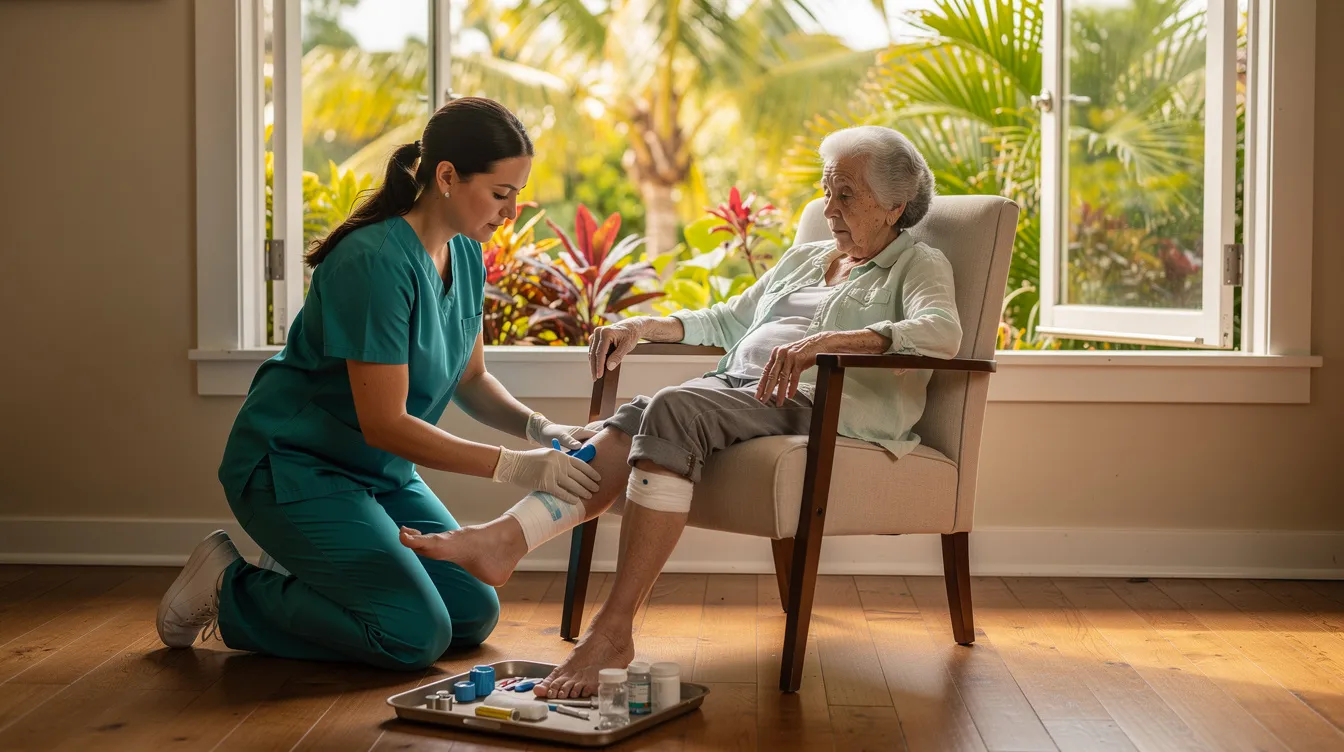
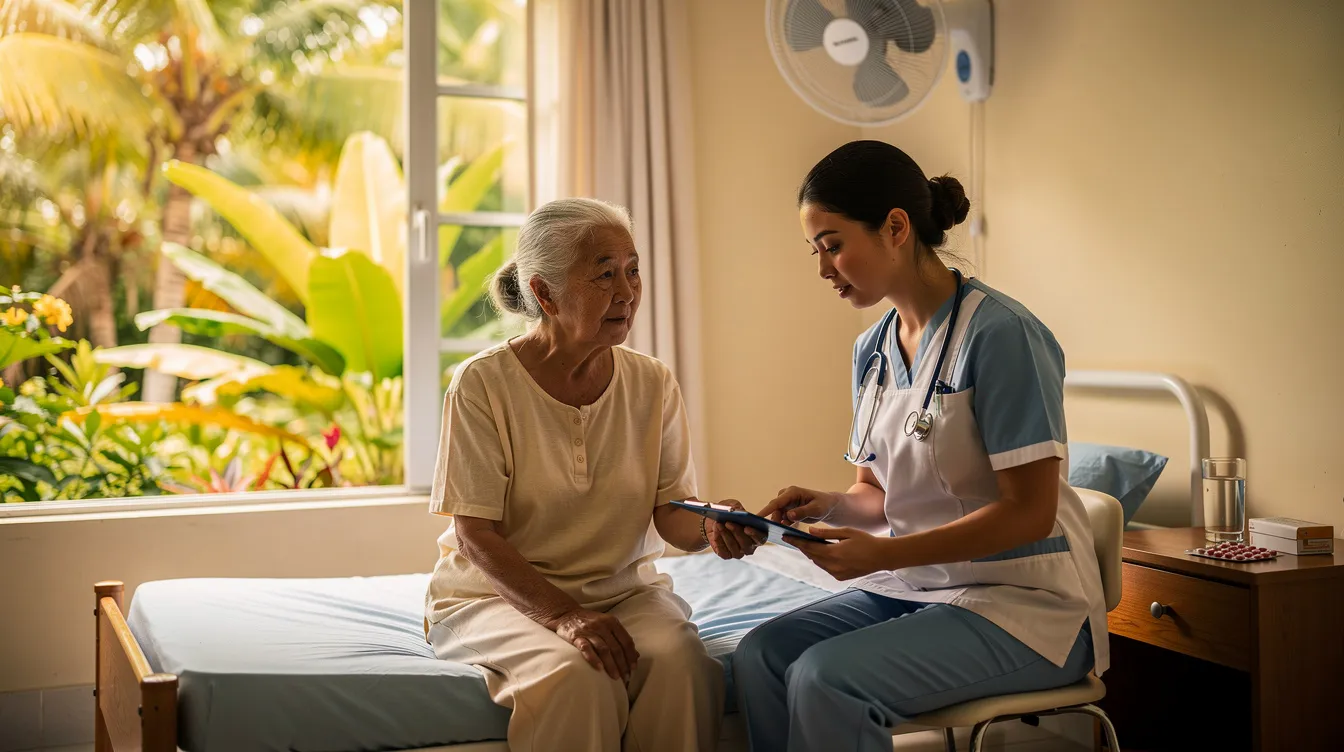
- Hawaii Advanced Wound Care provides mobile, in-home diabetic wound care on the Big Island with a registered wound care nurse specializing in wound assessment, debridement, advanced dressings, and infection monitoring.
- Amputation occurs in 14-24% of diabetic foot ulcer cases, but early intervention and comprehensive wound care can dramatically lower that risk.
- Call
(808) 258-1298 or visit
hawaiiadvancedwoundcare.com to schedule an at-home visit today.
Understanding Diabetic Wounds and Diabetic Foot Ulcers
A diabetic wound is any cut, blister, sore, or skin breakdown that occurs in someone with diabetes. While wounds can appear anywhere on the body, the foot and lower leg carry the greatest risk because of the combined effects of neuropathy, reduced blood flow, and daily mechanical stress from walking.
A diabetic foot ulcer is an open sore, usually found on the bottom or side of the foot or toes, that penetrates through the skin and often extends into deeper tissue. Research shows that diabetic foot ulcers occur in approximately 15% of diabetes patients, and the lifetime risk of foot ulceration in diabetes is 15-20%. Of those who develop foot ulcers, 15-24% of diabetic foot ulcer patients may require amputation.
Understanding the difference between an acute wound and a chronic diabetic wound matters. An acute cut or scrape in a diabetic patient may begin showing improvement within seven to ten days with basic care. A chronic wound is one that has not healed or shown meaningful progress after four weeks. Once a wound crosses that threshold, the healing process becomes significantly more difficult without specialized intervention from a leading mobile wound care expert.
Here is a common scenario: a 60-year-old in Hilo with type 2 diabetes and neuropathy develops a small blister under a callus from a pair of ill-fitting slippers. Because the foot is numb, the blister is ignored. Over a month, moisture and pressure cause the skin to break down into a full diabetic foot ulcer that refuses to close. This is exactly the type of progression that early care can prevent.
Hawaii Advanced Wound Care routinely manages both early-stage and chronic
diabetic foot ulcers in patients' homes on the Big Island, catching problems before they escalate.
Why Diabetes Slows Wound Healing
Diabetes affects blood vessels, nerves, and the immune system-three pillars the body's ability to repair depends on. When any of these systems is compromised, diabetic wound healing slows or stalls entirely.
Here is how each mechanism contributes, and why many patients benefit from advanced wound care services in Hawaii:
- High blood glucose levels damage small blood vessels over time, reducing oxygen and nutrient delivery to the wound site. This impaired blood flow means fibroblasts and keratinocytes cannot migrate and multiply as needed for new tissue formation. High blood glucose levels can impair wound healing at every stage.
- Diabetic neuropathy causes loss of protective sensation in the feet. Without feeling pain, pressure, or temperature changes, diabetic patients do not notice cuts, blisters, or burns. Motor neuropathy can also alter foot architecture, leading to conditions like hammer toe and other foot deformities that create abnormal pressure points. Foot deformities can lead to high plantar pressure and ulcers.
- Peripheral arterial disease restricts blood flow to the legs and feet. Poor circulation increases the risk of diabetic foot ulcers and makes existing wounds slower to heal. Peripheral vascular disease also limits the delivery of white blood cells and antibiotics to the wound site.
- The immune response is weakened in diabetes. Elevated blood sugar reduces the body's ability to fight infections. Macrophages remain stuck in a pro-inflammatory state, and neutrophil function is impaired. The result: infections in diabetic foot wounds can become serious much faster than in people without diabetes.
All of these factors can affect wound healing simultaneously, which is why even a minor scratch on a diabetic foot demands attention.

Common Types of Diabetic Wounds on the Feet
Not all diabetic foot wounds look alike, but all require careful attention. The type of wound determines the treatment approach and urgency.
Common presentations include, and each can often be managed safely at home with support from Hawaii mobile wound care resources:
- A callus on the ball of the foot that breaks down into a plantar ulcer from repetitive walking pressure. Approximately 45-60% of diabetic foot ulcers are neuropathic, arising from pressure on areas where sensation has been lost. High plantar pressure contributes to persistent diabetic ulcers when left unaddressed.
- Heel ulcers from prolonged pressure, common in patients who spend significant time in bed or a recliner.
- Toe ulcers caused by tight shoes or foot deformities like claw toes, where friction and rubbing create skin breakdown. Infection reducing friction through proper footwear is a key prevention step.
- Blisters or burns from hot sand, lava rock, or heated pavement-hazards that are especially common across Hawaii's coastlines. These injuries may go unnoticed due to neuropathy. Hawaii Advanced Wound Care also provides mobile burn treatment for patients who sustain these types of injuries at home as part of its broader expert mobile wound care in Hawaii.
- Skin cracks and fissures around the heel or between toes. These seemingly minor openings serve as entry points for bacteria, and in diabetic patients, even small cracks can lead to cellulitis or deep soft tissue infections.
Some diabetic foot ulcers are mainly neuropathic, others ischemic (caused by poor blood flow), and many are mixed. Regardless of type, any sore on a diabetic foot-even if small or painless-should be treated as potentially serious and evaluated early.
Early Warning Signs That a Diabetic Wound Is Not Healing
Catching problems early can prevent hospitalization, surgical procedures, and even amputation. Daily inspection of the wound is crucial for monitoring changes in size, odor, or color.
Watch for these signs during the first one to two weeks of basic home care:
- The wound stays the same size or gets larger despite cleaning, dressing, and pressure relief.
- Wound edges become pale, dark, rolled, or undermined-signs the wound bed is not generating healthy granulation tissue.
- The tissue inside the wound changes color: black eschar, white or gray slough, or pale tissue that lacks the pink appearance of healing skin.
- Persistent or increasing drainage, whether clear, bloody, or cloudy, that does not decrease over the first week.
- New odor, increased exudate, or breakdown of the surrounding skin (maceration) around the wound edges.
These signs mean the wound is not progressing through the normal healing process and professional evaluation is needed. The IWGDF recommends a reassessment of treatment if a wound has not improved significantly within four weeks, but many wound specialists recommend evaluation even earlier-at the two-week mark-if improvement is absent; patients recovering from surgery at home often have similar concerns, which is why understanding at-home care after surgery for a smooth recovery and common questions about accessing this type of mobile wound care in Hawaii can be so important.
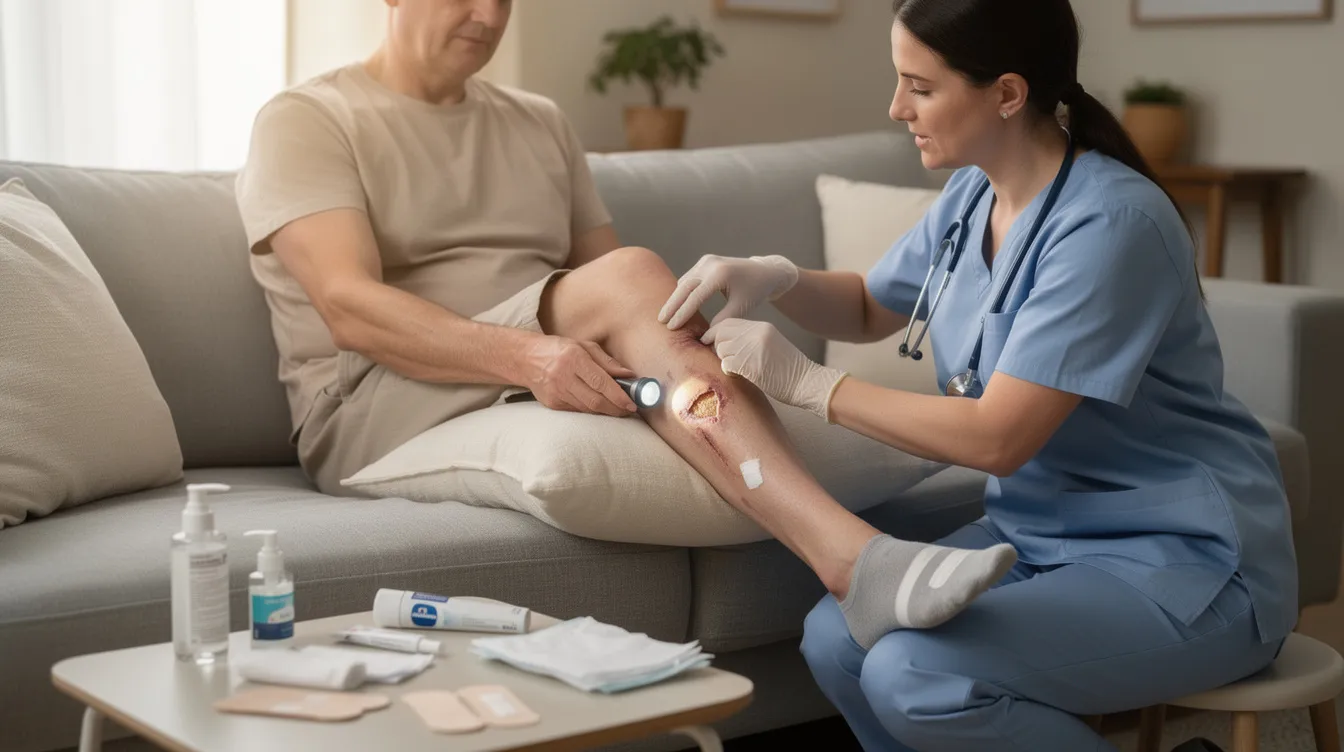
Hawaii Advanced Wound Care uses in-home wound assessment to track wound size and tissue changes over time, adjusting treatment plans as needed without requiring patients to travel to a clinic, while also delivering expert mobile wound care in Hawaii for burns, ulcers, and more directly to patients' homes.
Red-Flag Symptoms: When to Seek Urgent or Emergency Care
Diabetic foot infections can become limb- or life-threatening within days if ignored. Knowing the difference between a slow-healing wound and a medical emergency could save your foot-or your life.
Seek urgent care immediately if you notice any of the following:
- Spreading redness up the foot or leg, warmth, swelling, or red streaks moving toward the knee
- New or worsening pain, especially in a foot that was previously numb due to diabetic neuropathy-this can signal deep tissue damage or a diabetic foot infection
- Pus or thick, discolored drainage from the wound site
- Foul or "sweet" odor coming from the wound
- Black or gray tissue (necrosis) at the wound edges or base
Systemic symptoms require same-day emergency evaluation:
- Fever, chills, feeling weak or fatigued
- Rapid heartbeat or confusion in a diabetic patient with a foot ulcer
Diabetic ulcers require urgent medical assessment if they exhibit features of rapid deterioration. Infections can lead to osteomyelitis in diabetic foot ulcers, and approximately 6% of patients with diabetic foot ulcers are hospitalized for infection. Studies show that 15-27% of diabetic patients require amputations due to infection. Polymicrobial infections are present in 50-80% of diabetic foot infections, and MRSA occurs in approximately 15% of diabetic foot infections, making targeted treatment essential. Infection control for diabetic foot ulcers involves targeted systemic antibiotic therapy for clinically infected wounds.
For these severe red flags, call 911 or go to the nearest emergency department. Once stabilized, contact Hawaii Advanced Wound Care for follow-up in-home wound management at home.
How Long Should a Diabetic Wound Take to Heal?
Minor diabetic cuts or scrapes that show clear improvement within seven to ten days are usually healing appropriately with basic care. You should see the wound getting smaller, the edges drawing together, and healthy pink tissue forming in the wound bed.
Chronic wounds are defined as those not healed within four weeks. This benchmark exists because research consistently shows that if a diabetic foot ulcer has not decreased in area by at least 50% at the four-week mark, the likelihood of complete healing by twelve weeks drops substantially. Professional evaluation is essential for effectively managing chronic non-healing wounds that cross this threshold, and many patients benefit from effective in-home wound care rather than frequent clinic visits.
Typical healing expectations for a straightforward diabetic foot ulcer under good professional care:
| Milestone | Expected Progress |
|---|---|
| 7-10 days | Minor wounds show visible improvement |
| 2-4 weeks | Noticeable size reduction in properly treated ulcers |
| 6-12 weeks | Full healing, depending on depth, blood flow, and comorbidities |
If a diabetic wound has not improved by two weeks or is still open at four weeks, patients in Hawaii should seek specialized wound care. Moist wound healing environments promote faster healing, and maintaining proper wound moisture is one reason professional dressing management matters.
Hawaii Advanced Wound Care offers ongoing tracking of wound healing at home, measuring wound dimensions and tissue quality at each visit-reducing the need for frequent clinic trips across the Big Island, and can supplement visits with
telehealth wound care follow-ups.
How to Check Your Feet Daily if You Have Diabetes
Daily foot inspection is a crucial habit for anyone living with diabetes in Hawaii. Because diabetic neuropathy can reduce or completely eliminate sensation in the feet, you may not feel injuries or infections developing. Early detection is key to preventing ulcers and other complications.
Follow these steps each day:
- Use a mirror or ask for help: If you have trouble seeing the bottoms of your feet, use a handheld mirror or ask a family member to assist.
- Look for any breaks in the skin: Check for cuts, blisters, cracks, redness, swelling, or any changes in color.
- Feel for temperature changes: Compare the temperature of both feet; warmth may indicate infection.
- Check for swelling or deformities: Notice any new lumps, bumps, or changes in foot shape.
- Examine between toes: Fungal infections and skin breakdown often occur here.
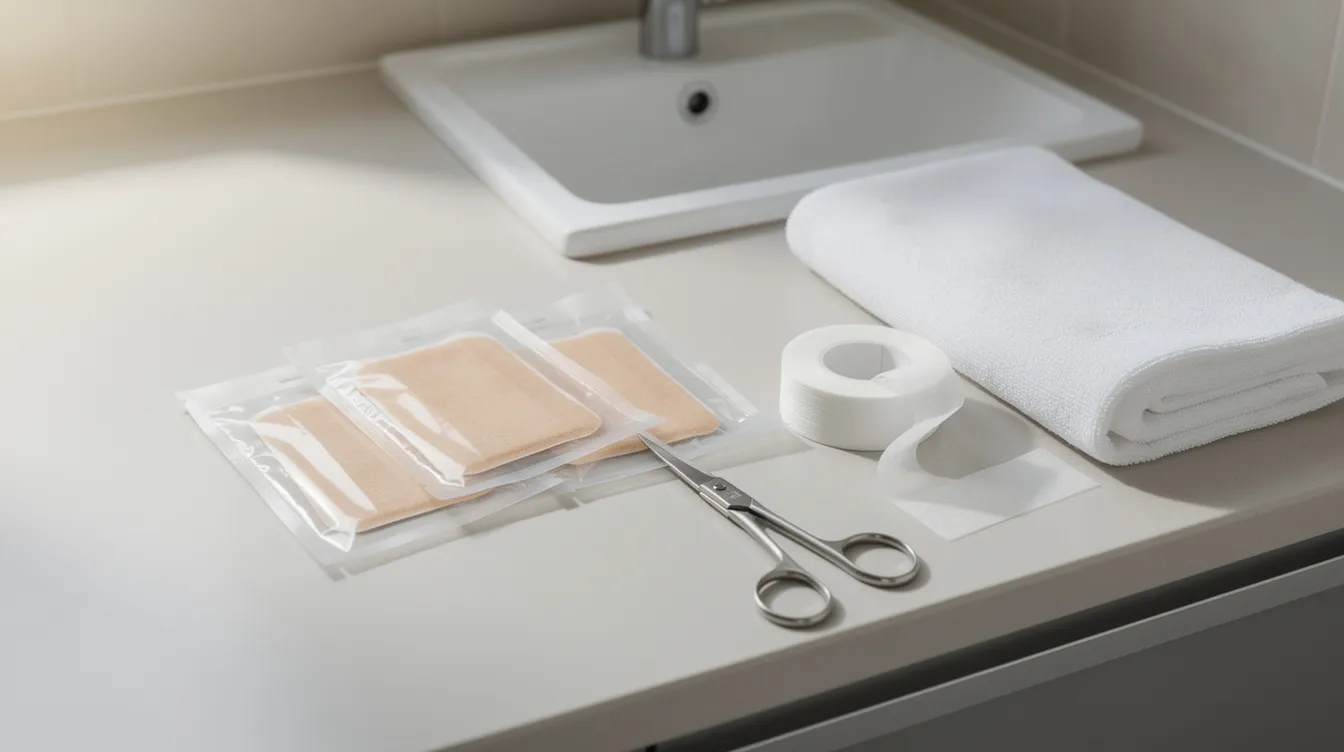
- Assess your footwear: Make sure shoes fit well, are not causing pressure points, and socks are clean and dry, and work with a clinician who can recommend essential wound care supplies in Hawaii tailored to your specific wounds and climate.
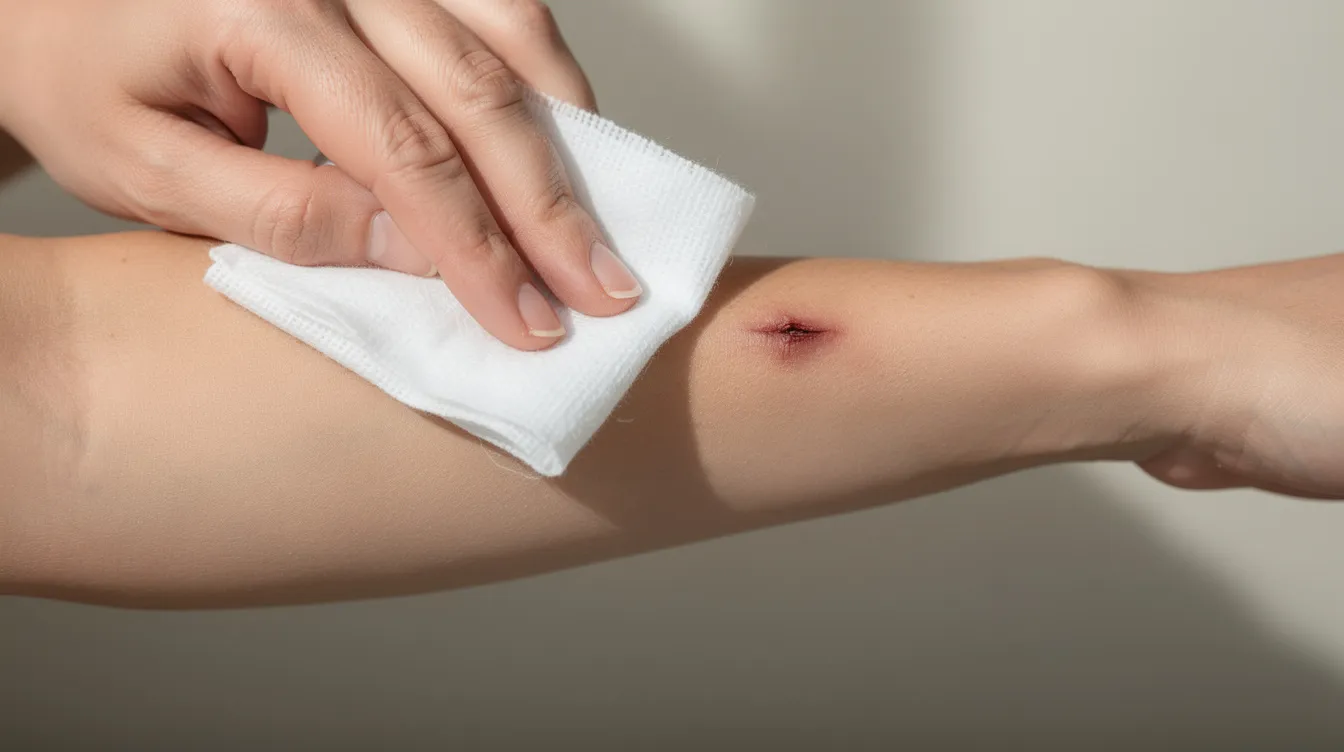
- Keep wounds covered: If you find any wounds, keep them clean and covered with an appropriate wound dressing to promote healing and protect from infection.
If you notice any signs of wounds infected or not healing, contact
Hawaii Advanced Wound Care for expert mobile wound treatment immediately for expert mobile wound care services that can come to your home.
Effective Diabetic Wound Care Treatments in Hawaii
Hawaii Advanced Wound Care specializes in comprehensive diabetic wound care that addresses the unique challenges faced by patients in Hawaii. Treatment approaches include:
- Blood sugar control: Coordinating with your medical doctor or endocrinologist to maintain elevated blood glucose levels within target ranges, as controlling blood sugar is essential to promote good wound healing.
- Wound cleaning and dressing: Using normal saline for gentle wound cleansing and applying advanced wound dressings, including advanced biological dressings for complex and chronic wounds, that maintain a moist environment to enhance healing and reduce health care costs.
- Debridement: Performing sharp surgical debridement and other forms of advanced debridement to remove dead or infected tissue, which promotes cell growth and improves healing foot ulcers.
- Offloading pressure: Advising on total contact casts or other offloading techniques to reduce pressure on wounds and promote healing.
- Infection management: Monitoring for wounds infected and providing or coordinating appropriate antibiotic therapy to prevent severe infections.
- Advanced therapies: Utilizing negative pressure Wound VAC therapy and hyperbaric oxygen therapy when appropriate to enhance healing of deep wounds and venous leg ulcers.
- Multidisciplinary care: Collaborating with endocrinologists, podiatrists, vascular surgeons, and nutritionists to optimize overall care, and making it easy for clinicians to use
Hawaii Advanced Wound Care's referral process for providers so patients receive coordinated specialty support.
Frequently Asked Questions About Diabetic Wound Care
How often should I check my feet if I have diabetes?
Daily inspection is recommended to catch any changes early, and many patients also benefit from reading expert wound care tips and in-home healing advice to reinforce these habits.
What should I do if I find a wound on my foot?
Keep the wound clean, covered, and seek professional evaluation promptly.
Can diabetic wounds heal at home?
Minor wounds may heal with proper care, but chronic or infected wounds require specialized treatment.
What role does blood sugar control play in wound healing?
Controlling blood sugar is critical to improve wound healing and reduce the risk of infection.
When should I seek emergency care for a diabetic wound?
If you notice spreading redness, severe pain, fever, or foul odor, seek immediate medical attention.
Take the Next Step with Hawaii Advanced Wound Care
Expert Diabetic Wound Care — Delivered Right to Your Doorstep in Hawaii
Don't let a diabetic wound slow you down or risk your health. Hawaii Advanced Wound Care offers expert, compassionate mobile wound care services tailored to your needs. Our registered nurse specializing in diabetic wound care provides in-home assessments, advanced wound dressings, blood flow assessments, surgical debridement, and personalized treatment plans designed to promote healing and reduce health care costs.
Whether you are dealing with healing foot ulcers, venous leg ulcers, or other ulcer related complications, we bring the latest wound care technologies and therapies to your home across the Big Island and beyond.
Call us today at (808) 258-1298 or visit hawaiiadvancedwoundcare.com to schedule your mobile wound care visit and take control of your diabetic wound care journey with Hawaii Advanced Wound Care.
Recent Posts