
Mobile Wound Care in Hawaii: What to Expect From In-Home Treatment
Chronic wounds affect about 6.5 million Americans, and for patients living on Hawaii's islands, getting to a wound clinic can mean hours of driving on narrow roads or booking inter-island flights. Mobile wound care changes that equation. This guide covers what in-home wound treatment looks like in Hawaii, who it serves, and how to get started.
Key Takeaways
- Hawaii Advanced Wound Care is currently the only dedicated mobile wound care clinic in the state, delivering hospital-level treatment directly to patients' homes across the islands.
- In-home wound care treats chronic and non healing wounds such as diabetic wounds and pressure ulcers, and can help prevent ER visits, hospital stays, and amputations.
- The first home visit includes a full wound assessment, review of medical history and medications, and creation of a personalized advanced wound care plan tailored to the patient and their home environment.
- Services are performed by a registered wound care nurse holding certified wound care credentials like WCC or CWCN, using evidence based treatments including debridement, infection control, and advanced dressings or skin grafts when appropriate.
- Contact Hawaii Advanced Wound Care in Hilo at (808) 258-1298 or visit hawaiiadvancedwoundcare.com to check island coverage and schedule a mobile wound care evaluation.
What Is Mobile Wound Care?
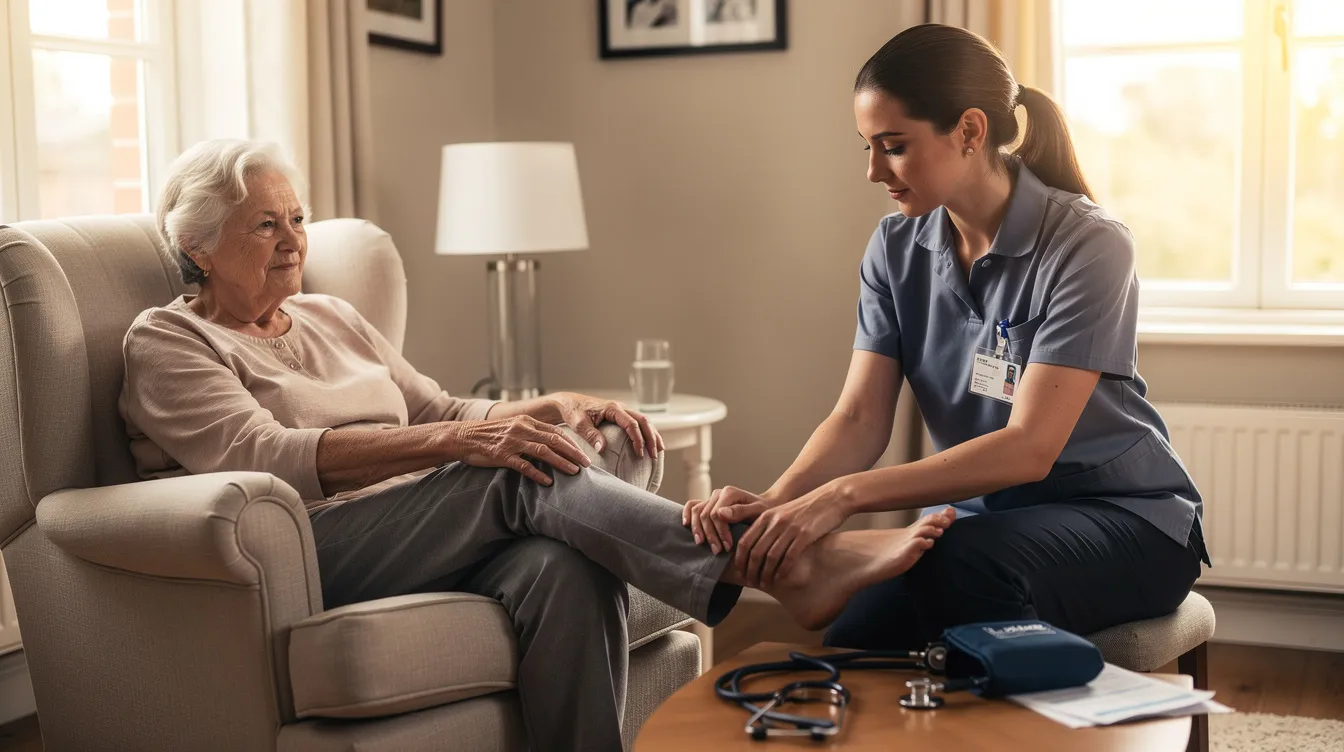
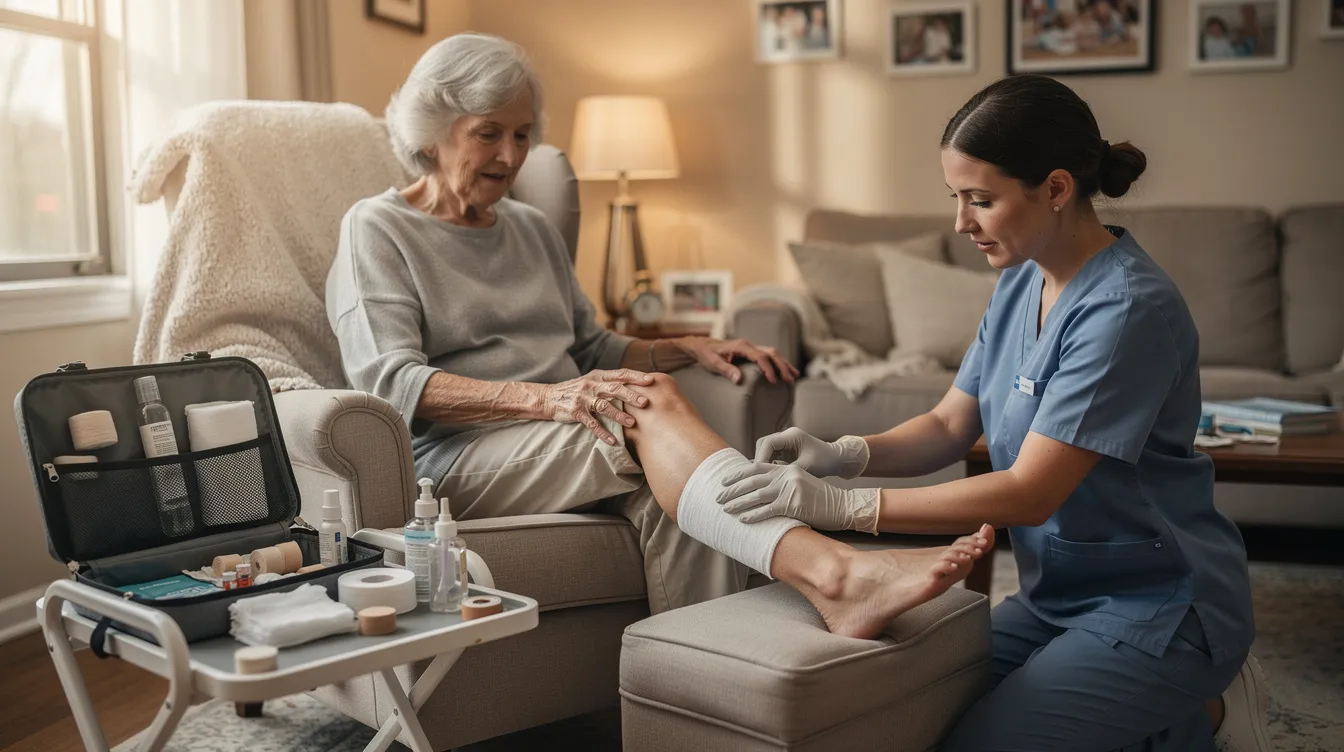
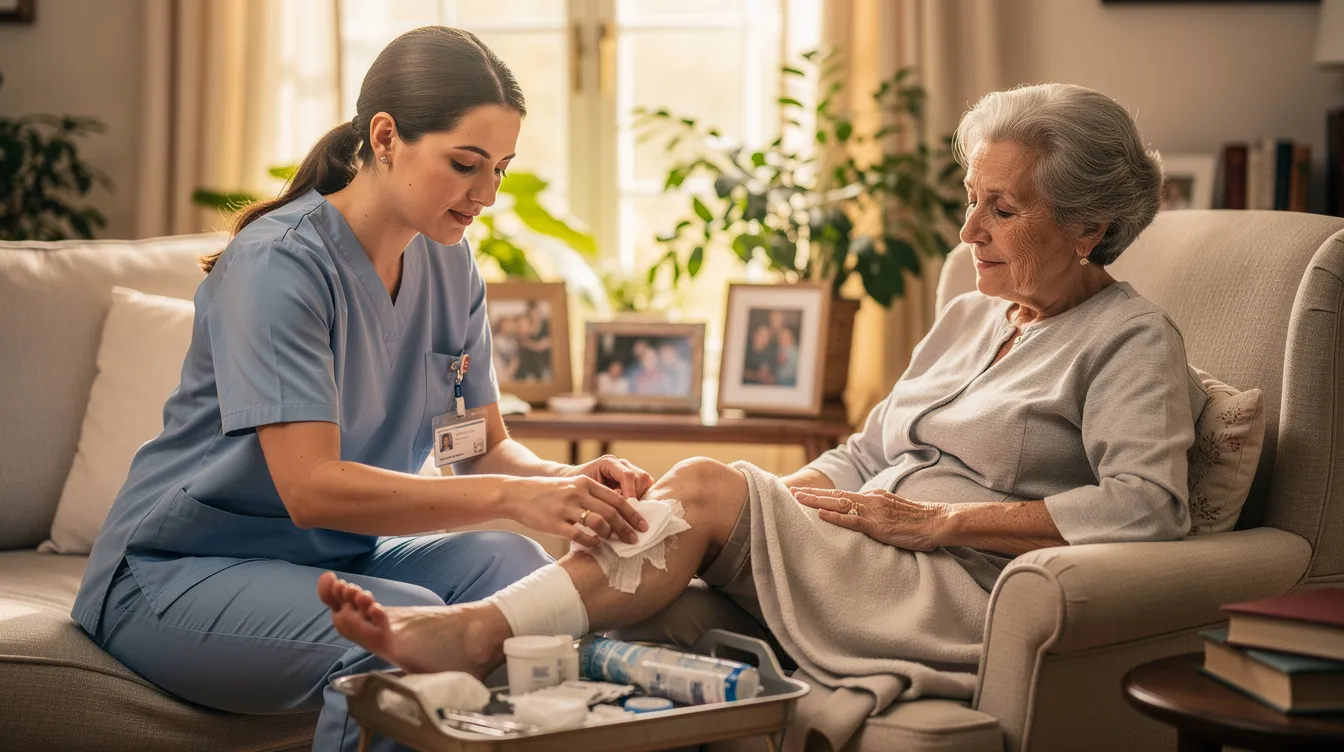
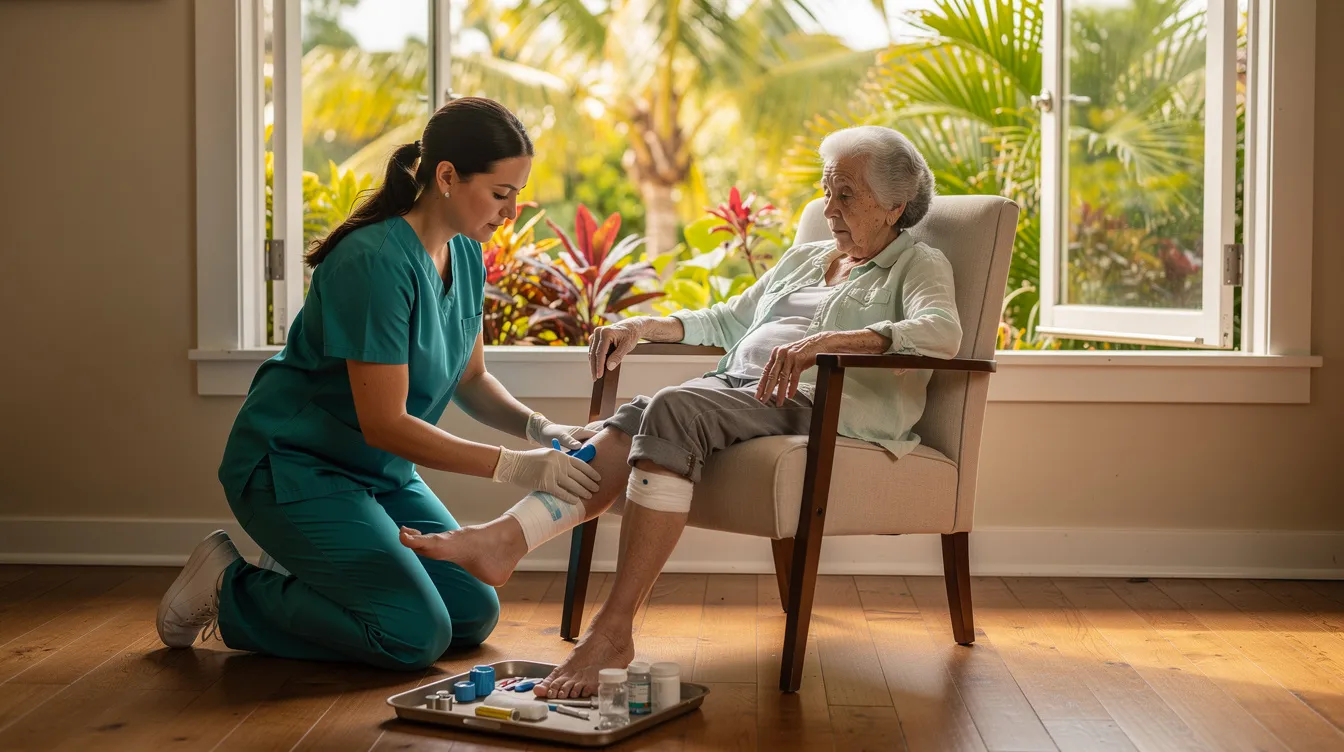
Mobile wound care is professional wound treatment delivered at a patient's home, assisted living facility, or skilled nursing residence. Patients receive wound care in their own homes or facilities rather than traveling to a hospital or outpatient clinic. Mobile wound care services deliver treatments directly to patients' homes, bringing procedures that were once confined to clinical settings into the living room.
What separates this from standard home health care is scope. A typical home health agency may send a nurse for basic wound care like dressing changes and vital signs. Mobile wound care providers focus on chronic and complex wound management. That means wound care specialists perform advanced debridement to remove dead tissue, apply negative pressure wound therapy devices, coordinate advanced biological dressings, and conduct vascular assessments, all at the bedside.
Wound care management requires specialized clinical training to prevent severe complications. Wound care providers must complete comprehensive training beyond general nursing, and advanced wound care providers use evidence-based protocols aligned with national clinical guidelines. Home health wound care treats chronic wounds at home using these same standards, adapted to the realities of island geography and long travel distances between clinics.
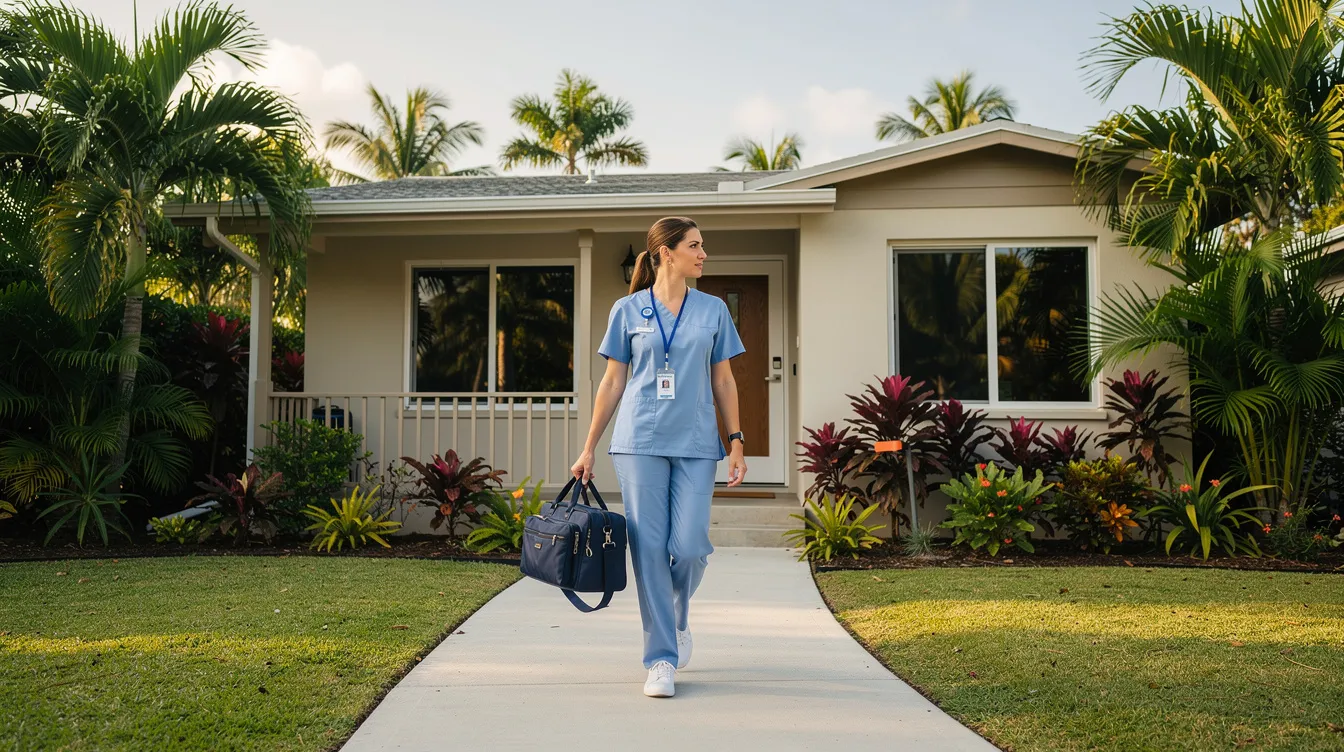
Mobile services matter most on the Big Island and neighbor islands, where the nearest brick-and-mortar wound center might be a two-hour drive from communities like Ka'ū or upper Puna.

Who Can Benefit From In-Home Wound Treatment?
Home wound care is designed for people whose wounds are slow to heal, who have limited mobility, or who face transportation barriers across Hawaii's islands. If a wound has persisted for more than four to six weeks despite treatment, a wound care specialist evaluation is the next step.
Typical candidates include:
- Seniors relying on walkers or wheelchairs who cannot safely travel to clinics
- Patients recovering from surgery whose wounds are not closing as expected
- People with diabetic wounds, pressure ulcers, or venous stasis ulcers
- Residents of assisted living or long-term care facilities
- Anyone living in rural areas like Puna, Ka'ū, or Hāmākua with limited clinic access
Hawaii's diabetes prevalence adds urgency. About 11% of adult residents have diagnosed diabetes, with rates climbing to 13-14% among Native Hawaiian, Filipino, and Japanese populations. Seniors over 65 face even higher risk. Each of these patients carries elevated risk for diabetic foot ulcers and chronic wounds that stall without specialized care.
Family caregivers also benefit. The wound care nurse teaches dressing techniques and monitoring using the actual supplies and environment the family will use between visits. Mobile wound care specialists coordinate with the patient's primary physician and existing care team rather than replacing them.
You may be a candidate for mobile wound care if:
- Your wound has not improved after 4-6 weeks of treatment
- Traveling to a clinic causes pain, fatigue, or fall risk
- You have been hospitalized for a wound infection in the past year
- You have diabetes, vascular disease, or limited mobility
- Your caregivers need hands-on training for between-visit wound management
What Happens During an Initial Wound Evaluation?
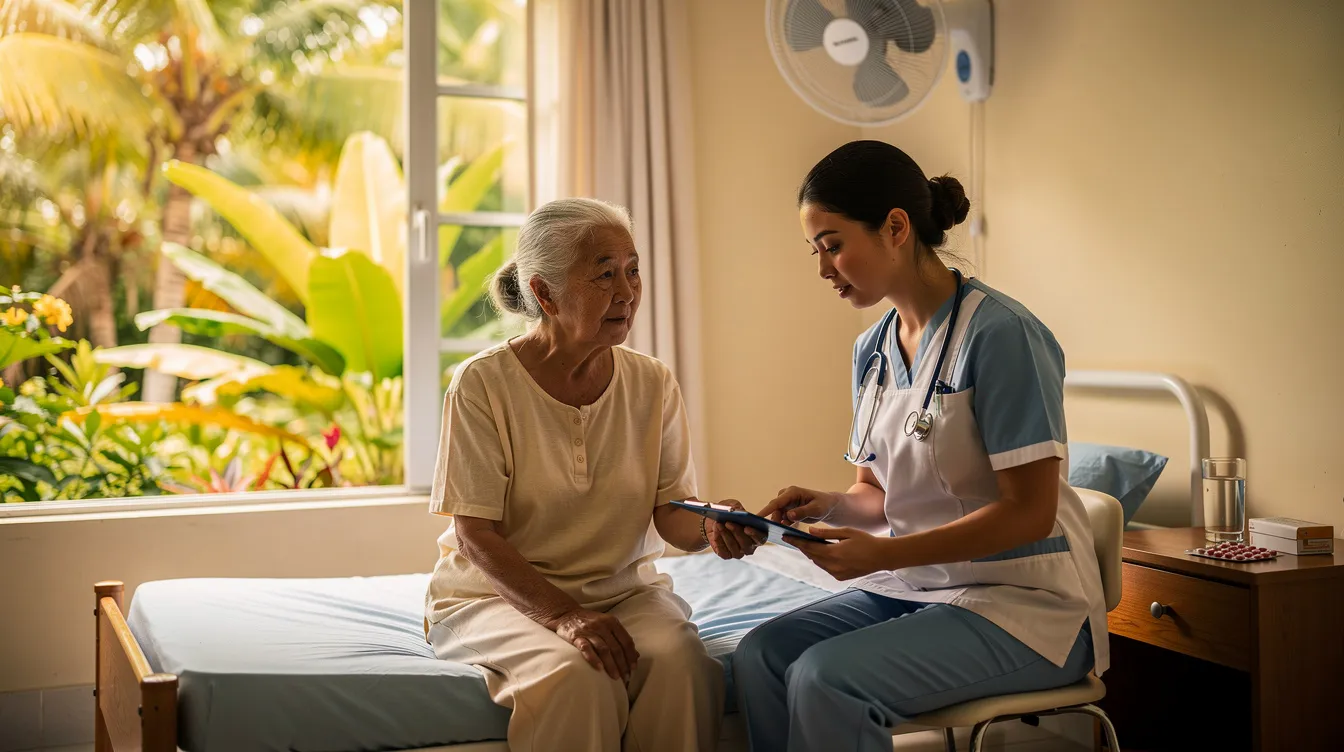
The first visit takes place at the patient's home and typically runs 60 to 90 minutes. This longer appointment allows the nurse to conduct a thorough, comprehensive wound care assessment rather than a rushed exam.
Here is what happens step by step:
Medical history review. The nurse reviews comorbidities (diabetes with HbA1c levels, vascular disease, renal conditions), current medications, allergies, and any recent lab results. Proper nutrition influences healing outcomes, so dietary habits, hydration status, and weight changes are assessed. Poor nutrition can complicate wound healing processes; targeted nutrient therapy supports tissue repair when deficiencies are identified. Hydration is also crucial for optimal wound healing.
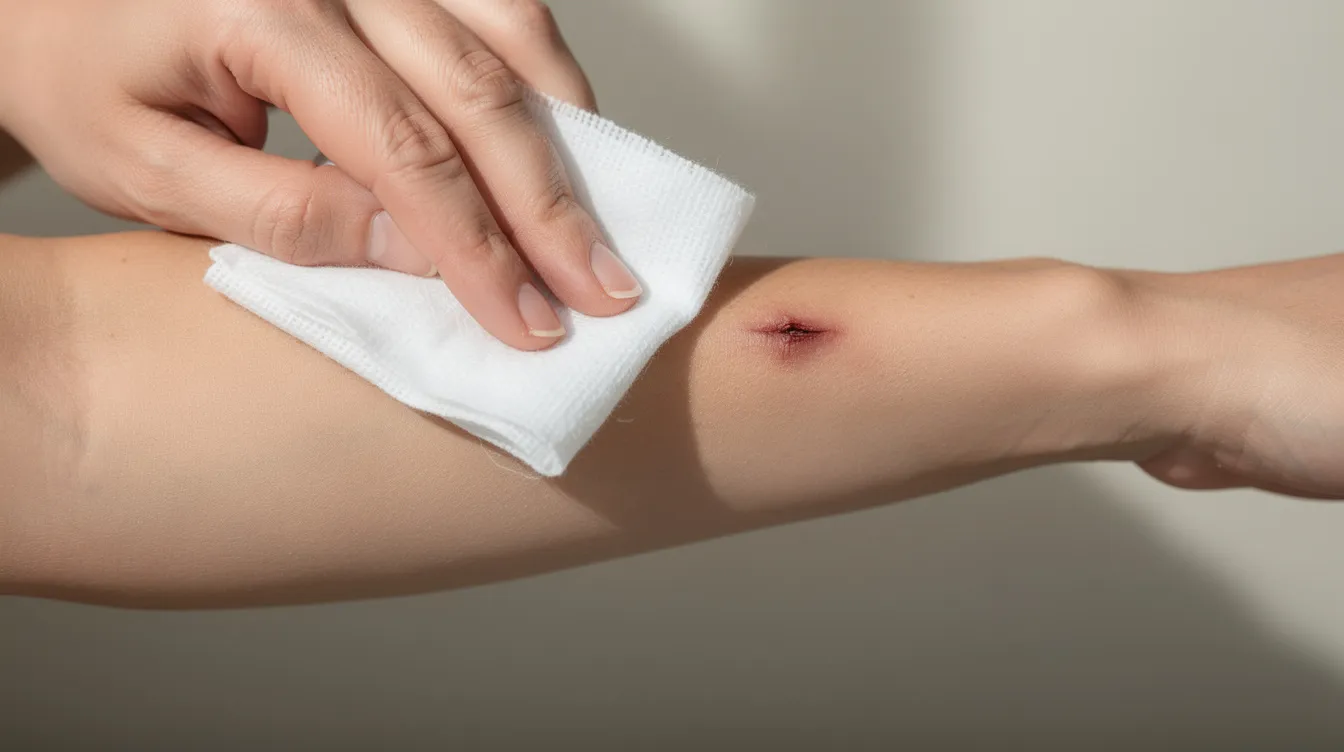
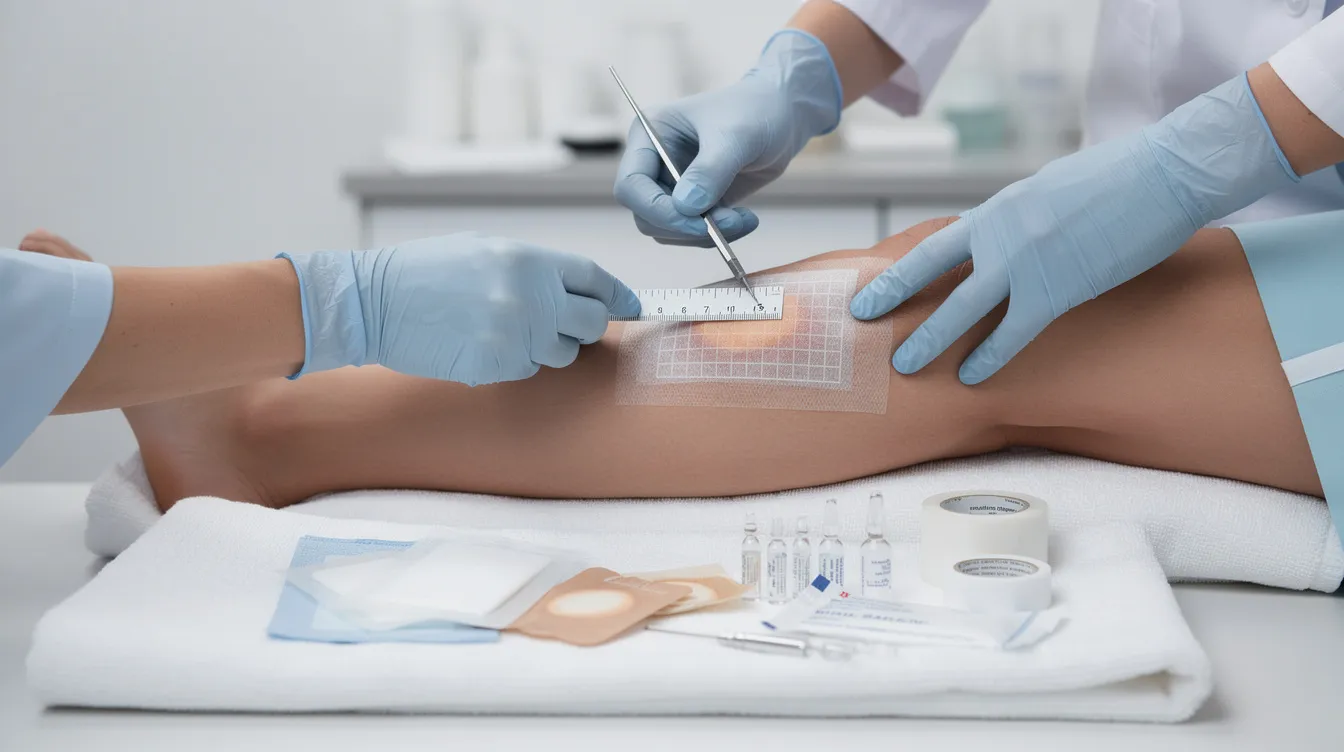
Wound examination. Each wound is measured for length, width, and depth. The nurse documents tissue type (necrotic, slough, granulation), drainage volume and color, odor, and surrounding skin condition. Providers document wound measurements and healing progress regularly using standardized assessment tools and photographs. These records track progress over time, with patient consent and HIPAA compliance. Understanding the phases of wound healing guides treatment decisions at each visit.
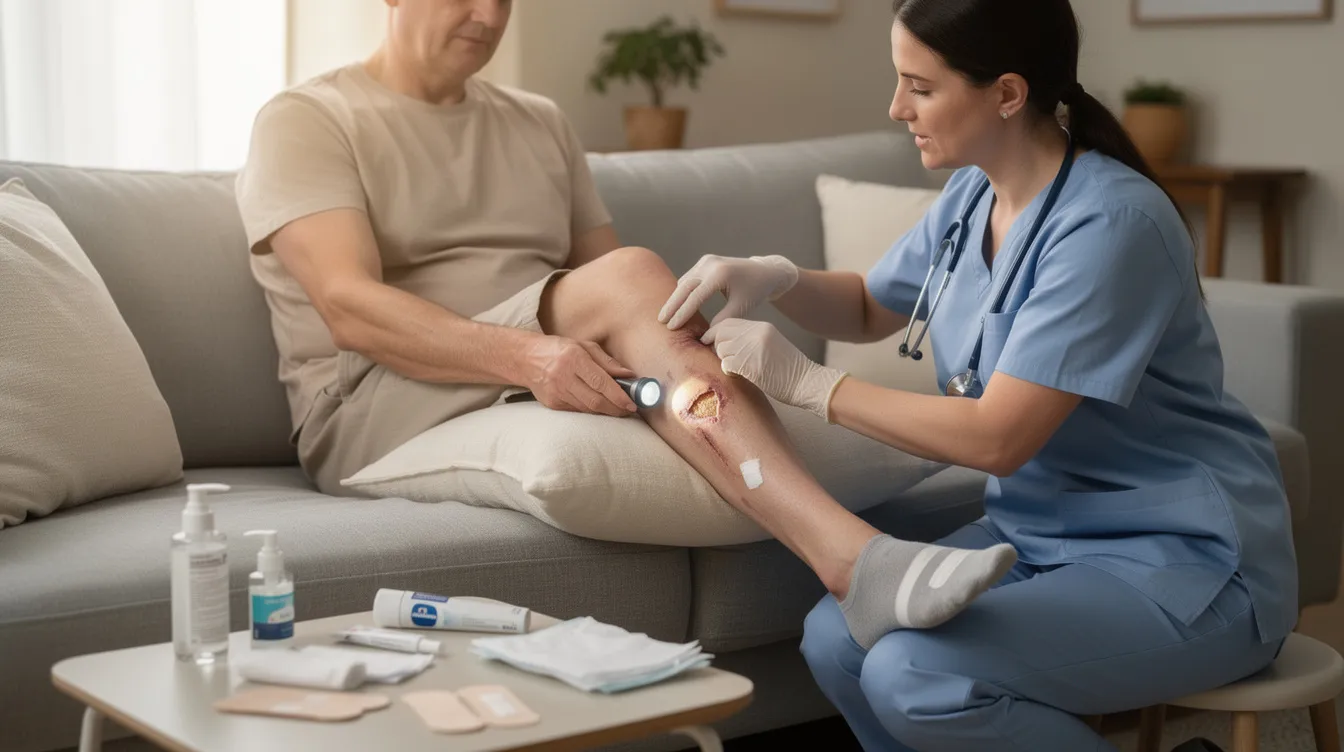
Home environment assessment. The nurse inspects the bed, seating, walking surfaces, and bathroom access. Pressure points, fall hazards, and moisture control all affect healing. Mobile care providers report that home environment factors can account for up to 50% of variation in healing outcomes.
Treatment plan creation. Based on the evaluation, the nurse creates a personalized care plan. This may include advanced debridement, offloading devices for pressure relief, edema control, blood flow optimization, and recommendations for nutrition or blood sugar management. The plan is shared with the patient's physician and healthcare team.
Patient and caregiver education. The visit ends with hands-on training: how to keep dressings dry, recognize warning signs of infections (spreading redness, odor, fever, swelling), perform safe transfers, and when to call for urgent help.

Types of Wounds That May Be Treated at Home
Many wound types can be safely managed through mobile wound care, depending on severity and the person's overall health. The scope of treatment should match specific patient needs like diabetic ulcers or pressure injuries.
Common wound categories treated in-home:
- Diabetic foot ulcers. Diabetic wounds often occur on the feet due to neuropathy and poor circulation. Neuropathic ulcers develop on pressure points of the feet where sensation has been lost.
- Venous stasis ulcers. These form due to blood pooling in the lower legs, typically requiring compression therapy alongside wound management.
- Pressure ulcers. Also called bedsores, pressure ulcers result from prolonged pressure on the skin over bony areas in patients with limited mobility.
- Non healing surgical wounds. Incisions or operative sites that have stalled despite initial post-surgical care.
- Traumatic wounds and burns. Burns are classified by the depth of tissue destruction and may qualify for mobile burn treatment when hospital discharge criteria are met.
- Radiation injury sites and skin grafts. Patients with skin grafts or advanced biological dressings can receive follow-up care, dressing changes, and monitoring at home after hospital discharge.
Mobile wound care treatments can include negative pressure wound therapy and advanced debridement, which is a key treatment in chronic wound management. Infection control is crucial for effective wound care management at every visit.
Wounds requiring urgent medical evaluation include those with signs of serious infection: rapidly spreading redness, high fever, or symptoms of sepsis. Hawaii Advanced Wound Care advises patients when hospital-level care is needed and does not attempt to treat conditions that require emergency intervention.
Benefits of Mobile Care for Seniors and Patients With Limited Mobility
For kupuna and patients who depend on walkers, wheelchairs, or oxygen, traveling between Hilo, Kona, Waimea, or Honolulu for wound appointments introduces pain, fatigue, and fall risk. Mobile wound care eliminates travel stress for patients and reduces missed appointments caused by bad weather, road closures, or lack of transportation.
The clinical outcomes support this model. Mobile wound care reduces hospital readmissions by 40% compared to standard home health approaches. Wound specialists achieve resolution rates of 80-95% in mobile programs. Home-based care lowers exposure to hospital-acquired infections because the patient stays in a controlled, familiar environment.
Quality of life improves in measurable ways. Patients rest immediately after treatment. Families participate in real-time education and decision-making. The nurse can assess the actual bed, chair, and flooring the patient uses daily, then recommend pressure-relief cushions, mattress options, and safe transfer techniques tailored to that specific household.
Advanced therapies delivered at home, combined with coordinated care across the healthcare team, support independence. For many patients, this holistic approach to wound management may delay or prevent the need for nursing home placement, keeping the person in the life and community they know.
Mobile Wound Care Availability Across Hawaii
Hawaii Advanced Wound Care is locally owned and operated from 101 Aupuni Street, Suite 320, Hilo, HI 96720. It is currently the only dedicated mobile wound care clinic in the state. Services launched on Hawaii Island (the Big Island) and cover communities including Hilo, Puna, Kona, and Waimea.
Coverage and service logistics vary across Hawaii's islands. Many mobile wound care providers have strict geographical boundaries for service, and some remote locations may be served on specific days of the week, with scheduling clustered by region to keep travel sustainable.
Hawaii Advanced Wound Care sees patients in private homes, adult foster homes, assisted living facilities, and long-term care settings, coordinating with on-site nursing staff when needed. The practice is expanding to other islands. Residents on Oahu, Maui, Kauai, Molokai, and Lanai can call or visit the website to check whether mobile wound care is available at their location or to be notified as service reaches their island.

How to Schedule an In-Home Evaluation
Setting up mobile wound care is straightforward. A patient, family member, or referring healthcare provider can initiate the process with one phone call.
Contact information:
- Phone: (808) 258-1298
- Office: 101 Aupuni Street, Suite 320, Hilo, HI 96720
- Website: hawaiiadvancedwoundcare.com
The team will request basic information: patient name, date of birth, location, type and duration of wound, and current insurance coverage. Insurance acceptance is often a critical factor in choosing a wound care provider, so the team verifies benefits before care begins. Specialized wound care services often require initial telehealth consultations to assess urgency and eligibility.
Advanced mobile wound care is typically coordinated through a physician's referral. If the patient does not yet have a physician order, Hawaii Advanced Wound Care can help coordinate with the patient's doctor. Appointments are scheduled based on geographic area, wound urgency, and patient preference, with faster scheduling for rapidly worsening diabetic wounds or acute concerns.
Before Your First Visit:
- Prepare a list of all current medications and dosages
- Gather previous wound records, lab results, or imaging
- Choose a clean, well-lit area in the home for the exam
- Have your insurance card available for the team to verify coverage
Frequently Asked Questions About Mobile Wound Care in Hawaii
These FAQs address common concerns about visit frequency, insurance, and how mobile wound care fits with other healthcare providers. For additional questions, visit the Mobile Wound Care FAQs page.
How often will the nurse visit my home?
Visit frequency depends on wound severity and type. Patients with heavy drainage, active infections, or negative pressure wound therapy devices may need visits two to three times per week initially. As the wound shows progress and risk decreases, visits often taper to once a week. Hawaii Advanced Wound Care individualizes every visit schedule based on healing trajectory and the caregiver's ability to perform interim dressing changes.
Does mobile wound care replace my home health or primary doctor?
No. Hawaii Advanced Wound Care focuses on specialized wound care services and does not replace primary care, cardiology, endocrinology, or other medical providers. Regular monitoring and communication with other healthcare providers are essential in wound care. Mobile wound care specialists collaborate with existing home health agencies, sharing wound orders and updates so that clinicians across the team stay aligned. Home health agencies also provide skilled nursing for wound management under physician order, and mobile wound care complements that work with advanced procedures.
Is in-home wound care covered by Medicare or other insurance?
Home health wound care is covered by Medicare and Medicaid for eligible patients when services meet medical necessity criteria. Private insurance plans vary. Hawaii Advanced Wound Care reviews coverage details, obtains physician orders, and verifies benefits before starting care whenever possible. Patients receive coordinated care from a team of healthcare professionals who document the evidence required for ongoing coverage. Call (808) 258-1298 with your insurance card available so staff can help determine expected coverage and any potential out-of-pocket costs.
What if my wound suddenly gets worse between visits?
Patients are trained to watch for spreading redness, foul odor, increased drainage, fever, or new severe pain. In many cases, a sooner mobile visit can be arranged. Emergencies such as signs of sepsis or rapidly spreading infection require calling 911 or going to the nearest emergency department. Hawaii Advanced Wound Care can advise by phone during business hours but is not an emergency service. Learning how to shower with an open wound safely and other daily wound protection steps can help prevent complications between visits.
Can family members be trained to help with my wound care?
Yes. Part of each visit may be dedicated to teaching families how to assist with simple dressing changes, positioning, pressure relief, and skin checks. Empowering caregivers is a key part of a holistic approach to wound care and improves consistency between professional visits. The nurse tailors training to each household's comfort level, language needs, and available resources, so instructions are practical for daily life in the home.
Start Healing at Home With Hawaii Advanced Wound Care
A wound that has stalled for weeks does not have to stay that way. Hawaii Advanced Wound Care delivers hospital-level, advanced wound treatment directly to homes across the Big Island and expanding island areas. The focus is on chronic and non healing wounds, with clinical excellence built into every visit through expert assessment, evidence based treatments, family education, and coordination with your complete medical team.
Getting started takes one call. Reach Hawaii Advanced Wound Care at
(808) 258-1298, visit the office at 101 Aupuni Street, Suite 320, Hilo, HI 96720, or request an evaluation at
hawaiiadvancedwoundcare.com. Do not wait for a wound to worsen. Talk to the team today to find out if mobile wound care is available at your Hawaii address.
Recent Posts