How to Shower With an Open Wound (Safely, at Home)
Figuring out how to shower with an open wound can feel stressful, especially when you're unsure what's safe and what could set back your healing process. The good news is that most people can continue showering with the right preparation, proper wound protection, and a few simple precautions. This guide walks you through every step, from gathering supplies to post-shower dressing changes, so you can stay clean without putting your wound at risk.
Key Takeaways
- In most cases, you can shower with an open wound if it is stable, properly covered, and your doctor has not instructed you to keep the wound dry.
- Always avoid direct water pressure on the wound, soaking in baths, and scrubbing the affected area-these can disrupt blood flow, introduce bacteria, and delay wound healing.
- Waterproof dressings or plastic wrap help keep the wound covered during your shower, protecting the wound bed from soap, shampoo, and tap water.
- Watch for warning signs like increased redness, swelling, thick drainage, foul odor, or fever-these may indicate an infected wound and require immediate medical attention.
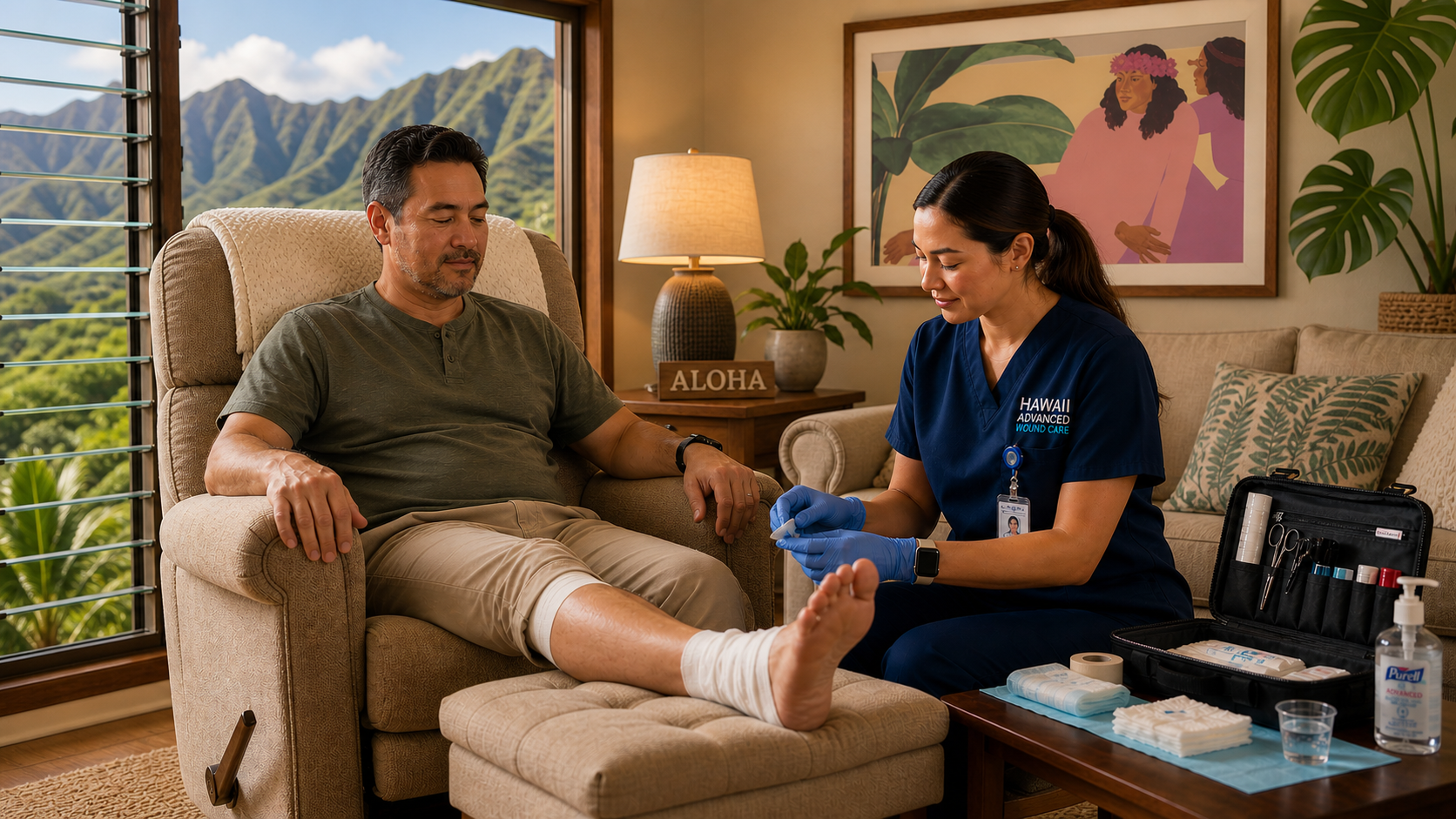
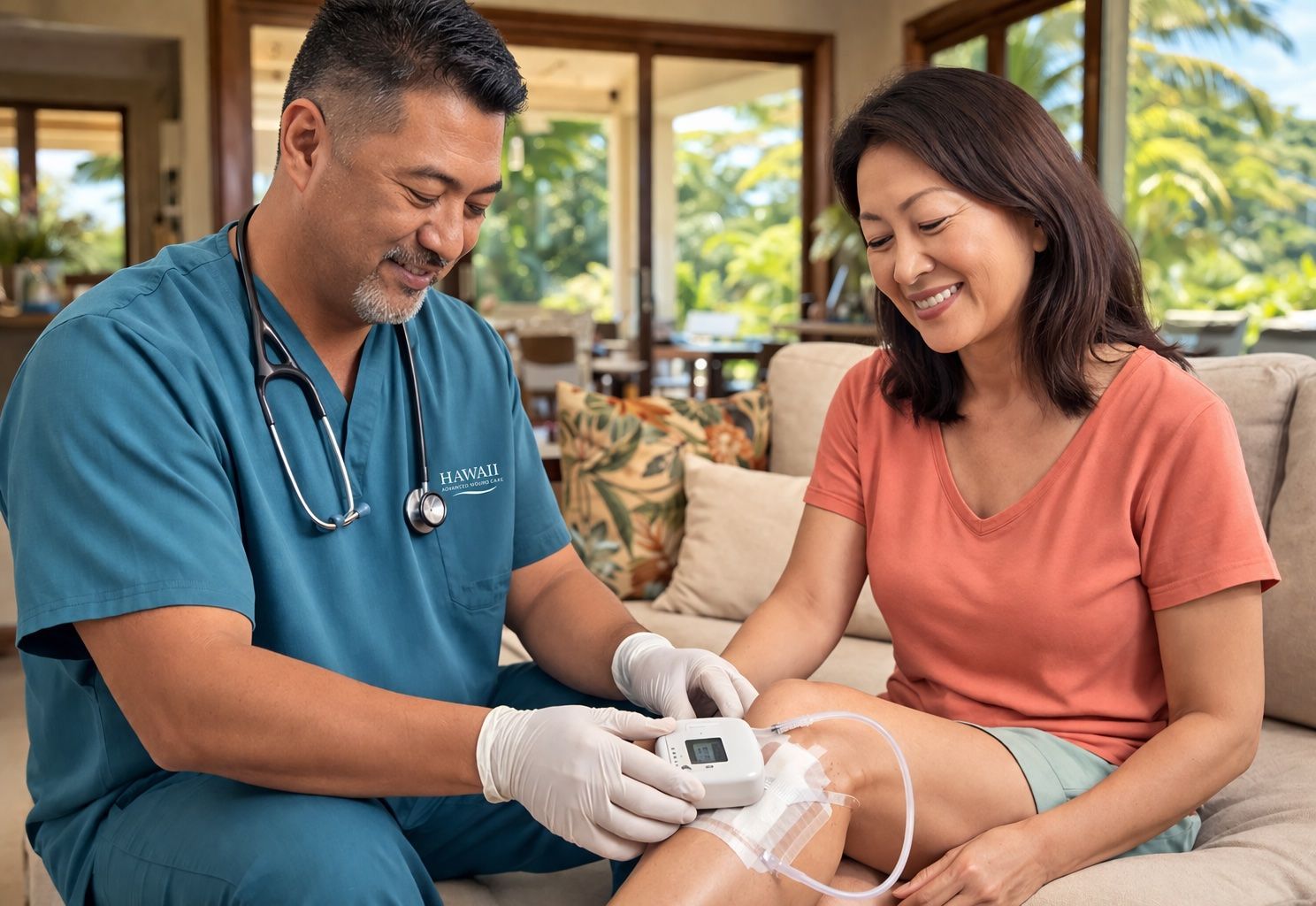
- Hawaii Advanced Wound Care is a mobile wound care nursing service based in Hilo that travels to patients' homes across the Big Island and beyond, helping people with chronic or difficult-to-heal wounds learn to bathe safely and maintain proper wound care routines.
Can You Shower With an Open Wound? (Fast Answer)
In many cases you can shower with an open wound, but only if the wound is stable, your wound care provider has not told you to keep it completely dry, and you protect it correctly.
For a small wound like minor cuts and superficial scrapes, a gentle rinse under lukewarm water is often safe. Larger surgical wounds, ulcers, or deep open wounds usually require a waterproof dressing, specific instructions from your provider, and careful at-home care after surgery. A meta-analysis of nearly 1,900 surgical patients found no significant increase in infection when showering within 48 hours post-op, provided the wound was properly protected.
Showering is preferred over bathing for open wounds because running water limits exposure compared to soaking in standing water.
Do not shower if you have active bleeding, newly placed skin grafts, exposed bone or tendon, or fresh stitches unless your surgeon has cleared it.
Hawaii Advanced Wound Care nurses routinely assess whether patients on the Big Island can shower, how often, and what type of cover they need, drawing on a practical, step-by-step approach to how to shower with an open wound safely.
Before You Get In: Preparing to Shower With an Open Wound
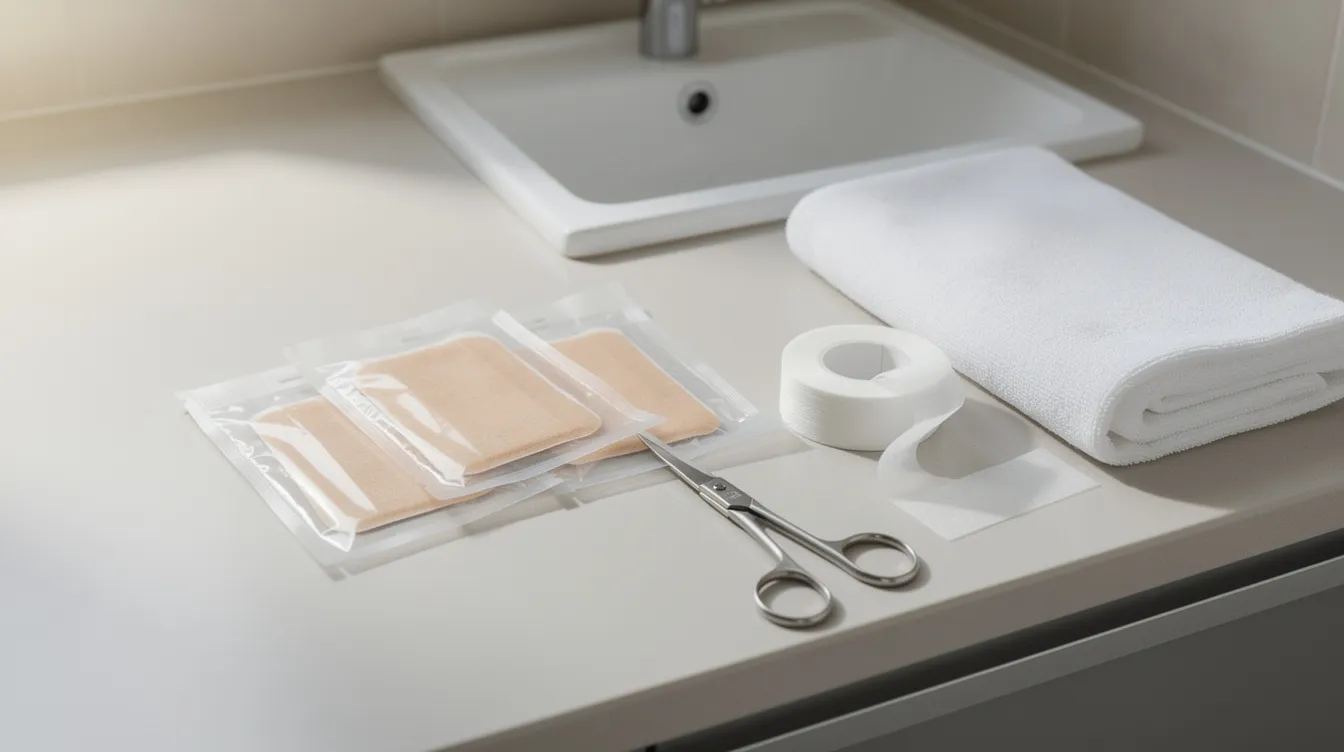
Preparation makes the difference between a safe shower and a setback. Use this checklist before turning on the water:
- Confirm with your provider. Before your first shower after surgery, trauma, or a new chronic wound, get clearance from your surgeon, primary care doctor, or wound care specialist-especially within the first 24–72 hours.
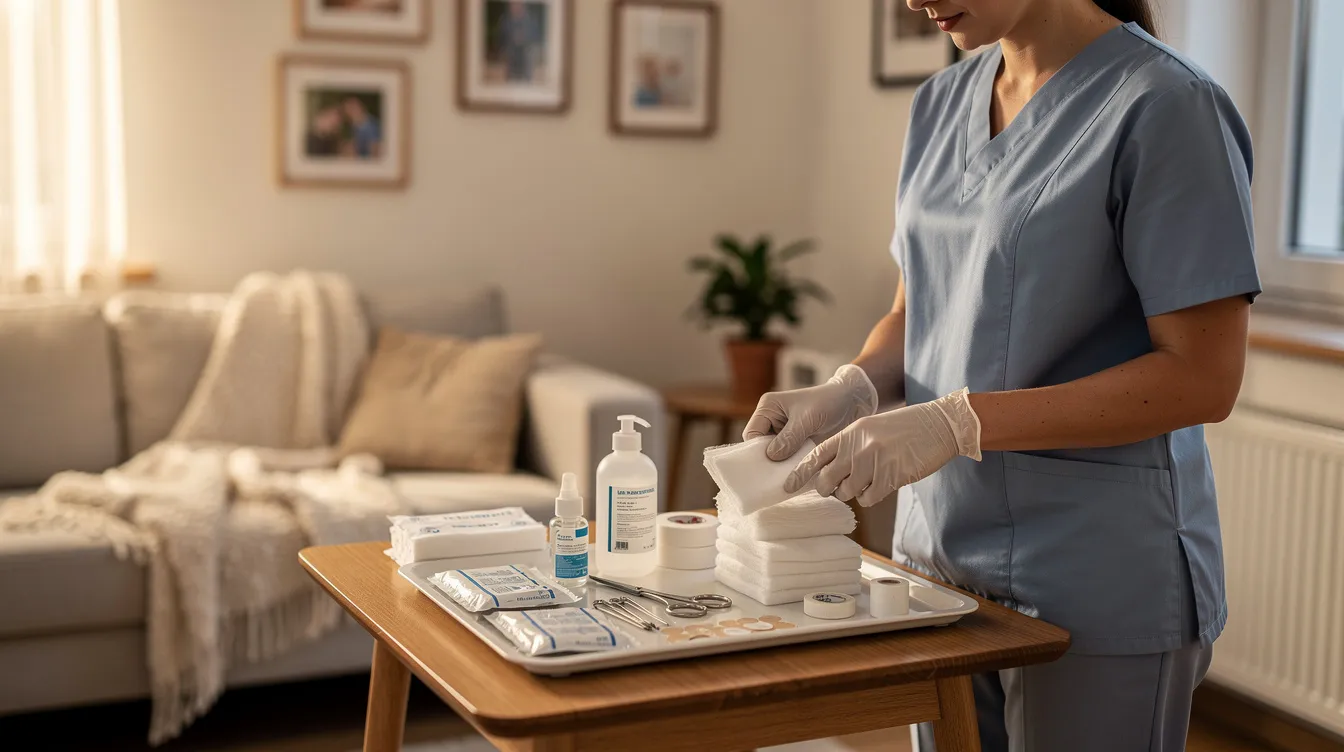
- Gather supplies. You'll need a clean towel, mild soap (fragrance-free), waterproof wound dressing or plastic wrap, medical tape, clean clothes, and any prescribed ointment or wound cleanser.
- Inspect your current dressing. Check that it is intact, not lifting at the edges, and not saturated with drainage. If it's compromised, change it or get guidance before showering.
- Plan the shower. Use warm water (not hot), limit time to 5–10 minutes, and angle the showerhead so the direct spray does not strike the wound site or its dressing.
- Address fall risk. Use a shower chair, non-slip mat, and consider help from a caregiver if you have balance issues, leg ulcers, or neuropathy. A fall can reopen the wound area and cause additional injury.
- Wash your hands before handling any dressings or touching around the wound.
How to Keep the Wound Covered and Dry in the Shower
Keeping the wound covered in the shower is non-negotiable for most open wounds. Here's how to do it effectively.
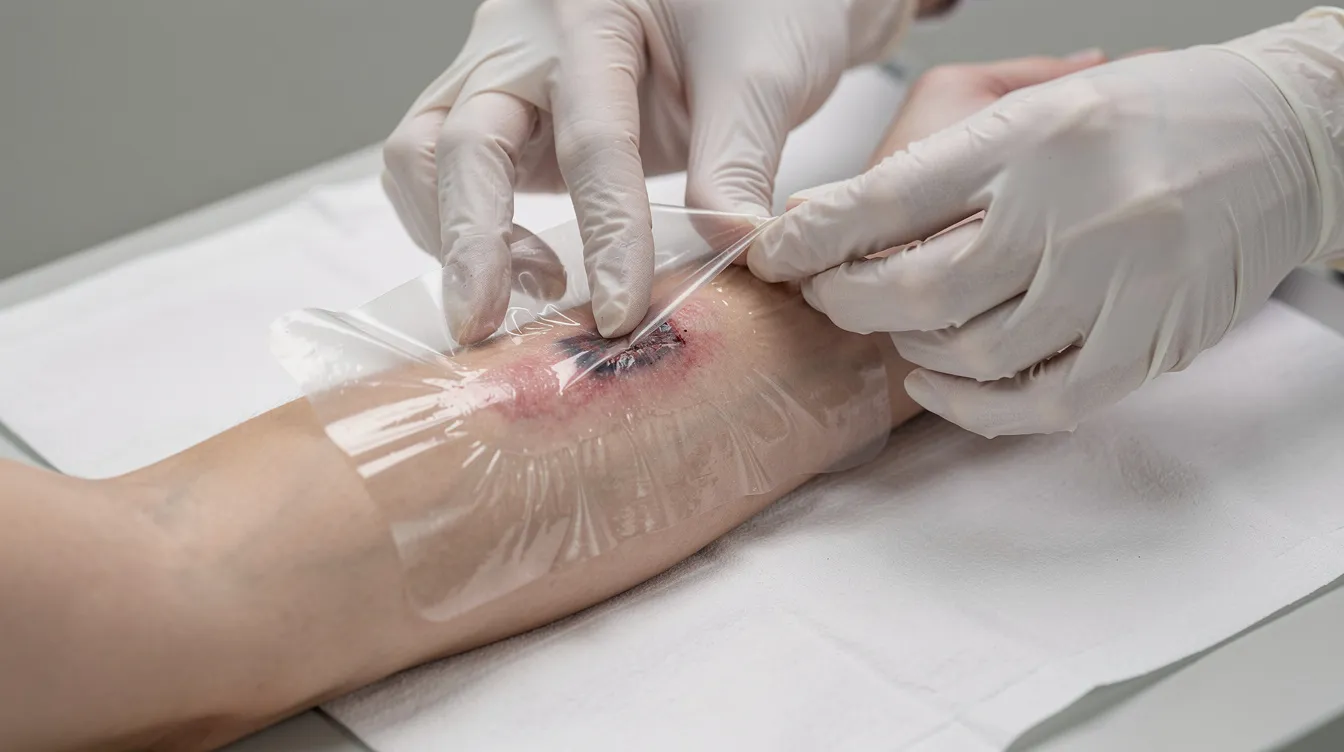
Waterproof film dressings (like Tegaderm or OpSite) seal to the surrounding skin, protect the wound bed, and allow brief water exposure. Film dressings are waterproof and flexible for movement, making them a strong choice for many surgical sites and shallow wounds with minimal drainage. They also protect wounds during the remodelling phase of healing. For wounds actively producing exudate, gauze dressings beneath a waterproof outer layer or advanced biological dressings for complex wounds may be more appropriate, and access to essential wound care supplies in Hawaii helps ensure you always have the right products on hand.
Keep wounds covered until fully healed to prevent reopening and reduce infection risk.
How to apply a waterproof cover:
- Clean and dry the surrounding skin thoroughly.
- Press the adhesive edges firmly, smooth out wrinkles, and check for gaps.
- If a true waterproof dressing isn't available, cover the existing bandages with plastic wrap or a purpose-made shower cover, then seal with medical tape above and below the wound area.
Location-specific tips:
- Foot or ankle wounds → tall waterproof boot-style covers
- Arm or hand wounds → protective sleeves or disposable gloves taped above the dressing
Never place adhesive tape directly over fragile open tissue or blisters-removing it can tear the skin and slow wound healing.
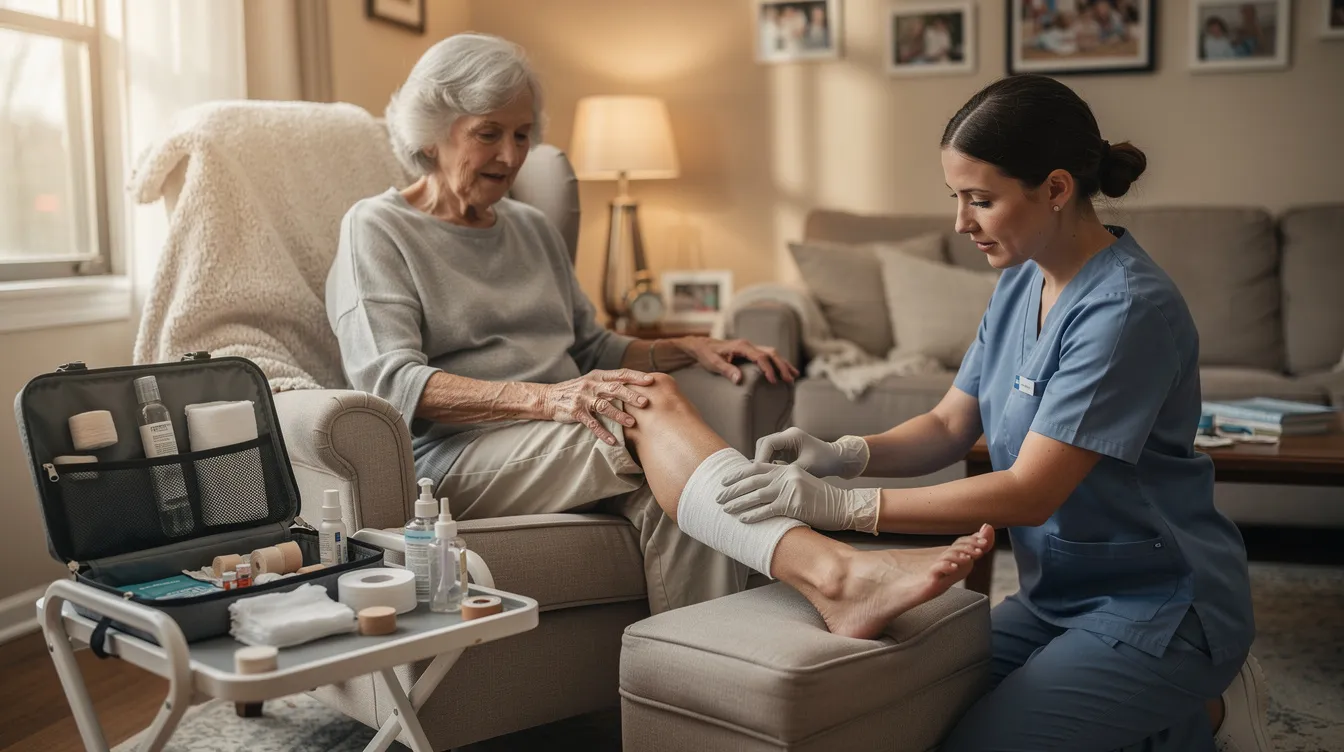
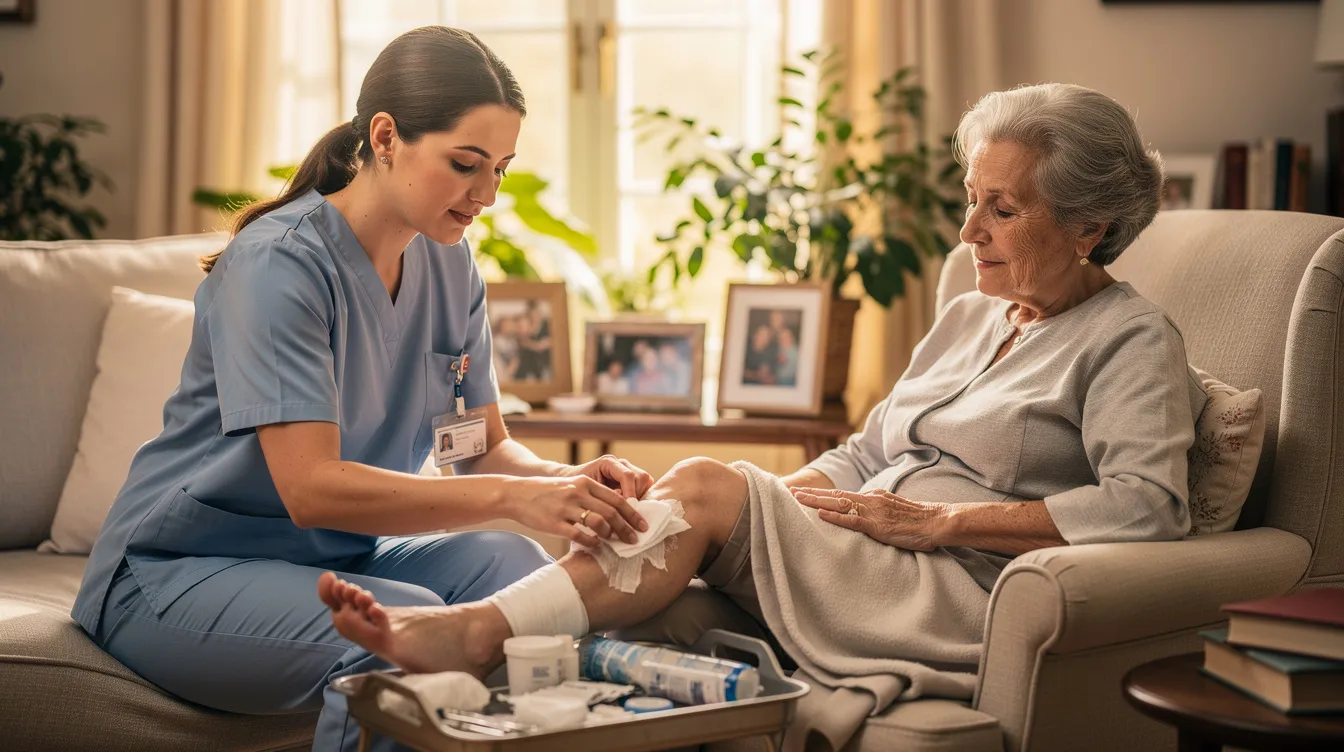
Hawaii Advanced Wound Care nurses can recommend and apply specific waterproof dressings during comprehensive in-home wound care visits, tailored to leg ulcers, pressure injuries, diabetic foot wounds, and post-surgical sites.
Safe Showering Steps for Different Types of Open Wounds
Showering technique varies by wound type. Here's a breakdown:
Minor cuts and superficial scrapes:
- Gently clean the wound area with lukewarm water
- Use mild soap around (not inside) the wound
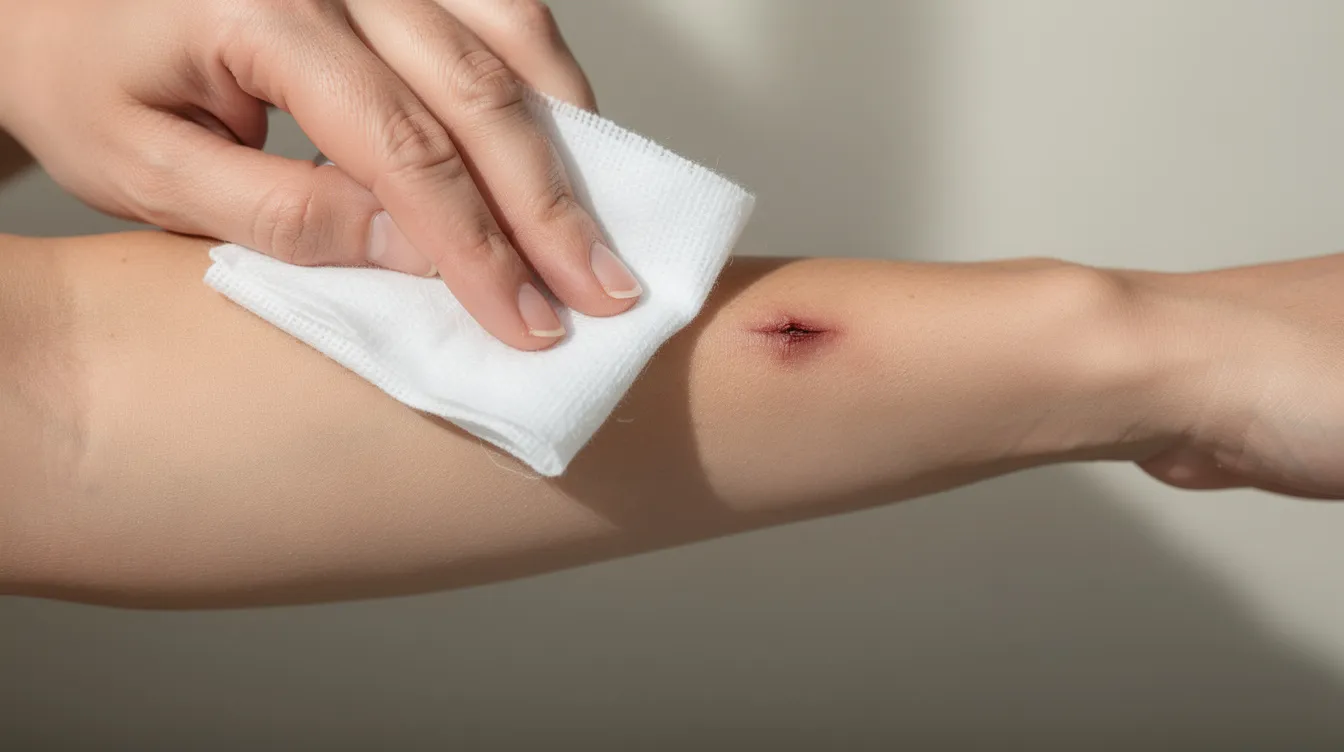
- Pat dry with a clean towel and apply a thin layer of approved ointment if your provider recommends it
Larger surgical wounds or recently removed stitches:
- Keep the wound covered for the first showers
- Avoid direct water pressure on the wound while showering and never scrub the wound site
- Follow your surgeon's timeline for when it's safe to leave the wound uncovered
Chronic wounds (diabetic foot ulcers, venous leg ulcers): Patients with these complex wounds often benefit from specialized in-home wound evaluations and treatment and dedicated diabetic wound care through Hawaii Advanced Wound Care.
- Keep the wound covered at all times in the shower
- Protect prescribed compression therapy from moisture with waterproof covers during showering
- Avoid soaking your wound in water-never submerge the limb in a tub
Pressure injuries (bedsores) on the sacrum, hips, or heels: These and other serious wounds, including burns and post-surgical injuries, may require expert mobile wound care in Hawaii.
- Use brief showers and a shower chair to limit standing
- Avoid sitting with direct pressure on the sore while the skin is wet and fragile, and be especially cautious if you also have burn injuries requiring mobile treatment
Whirlpools, hot tubs, and ocean or pool swimming are fundamentally different from a controlled home shower. These environments harbor bacteria that can cause serious infection in an open wound-avoid them until fully healed and cleared by your provider.
During in-home visits, Hawaii Advanced Wound Care nurses demonstrate personalized bathing plans for each wound type, respecting island homes' setups and cultural bathing routines.
After the Shower: Drying, Wound Care, and Dressing Changes
What happens immediately after your shower matters just as much as protection during it.
- Dry carefully. Gently pat the skin around the wound dry with a clean towel. Never rub-friction can damage fragile new tissue, disturb stitches, and cause discomfort or pain.
- Dressing stayed dry? Leave it in place until your next scheduled change. Monitor for redness or fluid accumulation under dressings at each check.
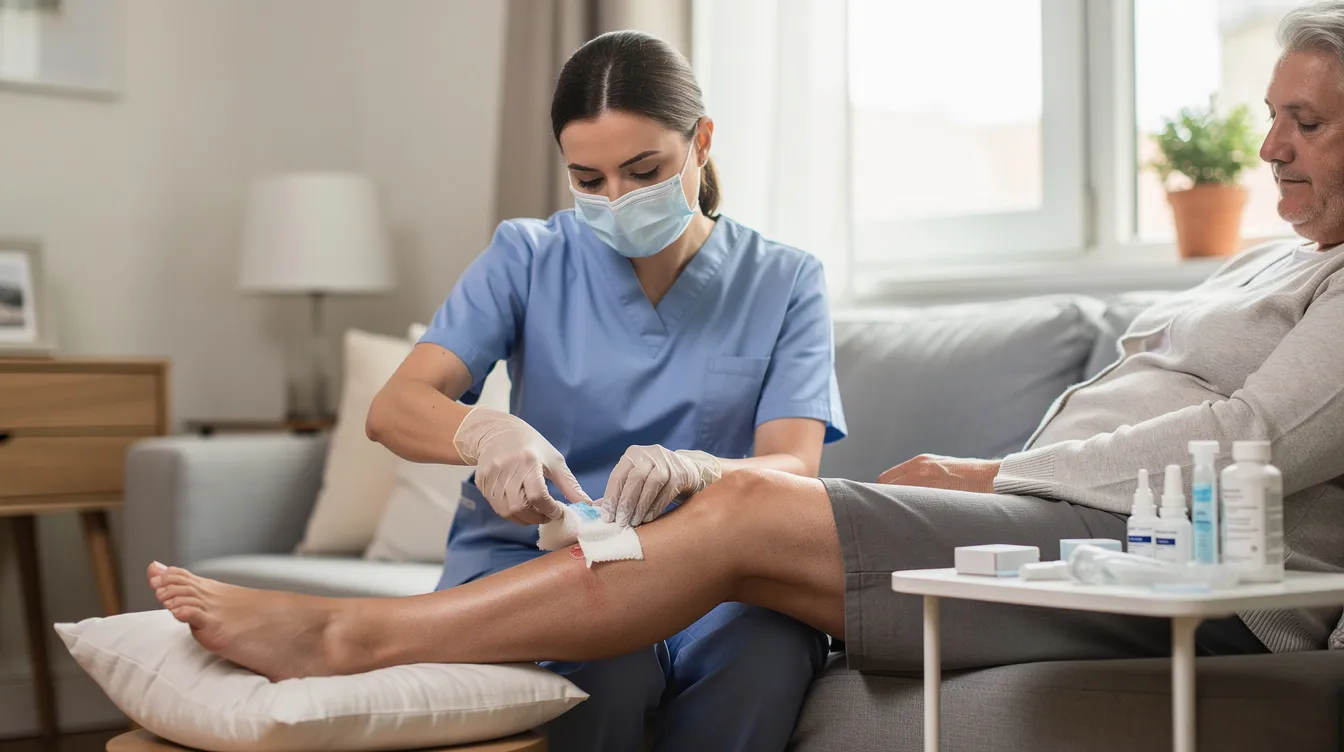
- Dressing got damp or wet? Remove it carefully. Gently clean the wound at least once a day using normal saline or a prescribed cleanser. Avoid hydrogen peroxide or alcohol on the wound unless specifically instructed by your provider-these can damage viable tissue and slow the healing process. Apply a fresh dressing immediately. Always wash your hands before and after changing the dressing.
Removing dressings too early can expose fragile tissue to bacteria and dirt, so follow your provider's schedule. Dressings maintain moisture balance for optimal healing and support a moist environment, which helps avoid scabs that can slow down skin cell growth and increase scarring. On the other hand, dry skin around the wound can crack and impede healing. Maintaining this moisture balance protects fragile tissue throughout the body's recovery.
Modern moist-wound dressings support blood flow and tissue growth by preserving a stable wound environment with controlled moisture, which supports tissue repair and helps healthy skin cells and new skin cells move across the area. Leaving a wound open to air can dry it out, while excessive moisture can damage surrounding skin.
Set up a clean "dressing station" near the bathroom before showering so you can sit comfortably and change dressings without rushing.
Hawaii Advanced Wound Care's mobile nurses can set up a safe home wound care routine, demonstrate dressing changes step by step-including advanced debridement when needed-and adjust products over time for faster healing, complementing the educational guidance shared on the Hawaii Advanced Wound Care blog.
Warning Signs and When to Avoid Showering With an Open Wound
Sometimes the safest choice is to skip the shower and opt for a sponge bath instead, especially if you're dealing with non-healing or chronic wounds that require closer monitoring. Here's when to stop and seek advice:
Signs of infection to watch for:
- Rapidly increasing redness, warmth, or swelling around the wound
- Thick yellow or green drainage or a foul odor
- New or worsening severe pain at the wound site
- Fever over 100.4°F (38°C)
If you notice redness early, report it if it is getting worse or appears with swelling, drainage, or other signs of infection.
Seek immediate medical attention if:
- Heavy bleeding soaks through the dressing or blood clots come from the wound
- The wound edges suddenly separate
- You notice exposed bone or tendon
Patients with kidney disease, poorly controlled diabetes, or a compromised immune system may need stricter bathing rules. Reduced blood flow and weakened immune response multiply infection risk, and delayed healing is also more common in these groups, making careful wound management and expert mobile wound care in Hawaii alongside ongoing telehealth wound care follow-up especially valuable.
If your healthcare provider has told you to keep the wound dry, follow those instructions strictly until told otherwise. When in doubt, a sponge bath with careful attention to the affected area keeps the rest of your body clean without risking the wound.
Readers in Hawaii can contact Hawaii Advanced Wound Care or use the clinic's main page to reach Hawaii Advanced Wound Care for expert mobile wound treatment, or speak with their primary provider if they're unsure whether it's safe to continue showering with their particular wound. If you have additional questions about your wound, don't hesitate to reach out.
How Hawaii Advanced Wound Care Helps You Bathe Safely at Home
Hawaii Advanced Wound Care is a locally owned mobile wound care service based in Hilo, Hawaii. A registered nurse specializing in wound care travels directly to patients' homes across the Big Island-and coverage is expanding to other islands-to perform wound assessment, dressing selection, chronic wound management, and share expert insights from a leading wound specialist, supported by comprehensive Hawaii mobile wound care patient resources, with safe bathing guidance that supports personal hygiene while protecting healing skin.
During a home visit, the nurse can:
- Review your bathroom setup and recommend equipment like shower chairs or grab bars
- Create a step-by-step shower plan tailored to your home environment and wound type
- Select and apply appropriate waterproof dressings for your specific situation
- Evaluate local factors like water temperature, water quality during advisories, and available support from family or caregivers to help improve patient outcomes
This service is especially valuable for older adults, people with diabetic foot ulcers, leg ulcers, pressure injuries, or post-surgical wounds who find traveling to a clinic difficult or painful, making in-home wound care for optimal healing and comfort a practical solution. Hawaii Advanced Wound Care is currently the only mobile wound care clinic in the state.
Taking care of an open wound doesn't mean giving up daily showers-it means showering smarter with the right guidance.
Ready for personalized wound care at home? Call (808) 258-1298 or visit hawaiiadvancedwoundcare.com to schedule a mobile wound care visit and check availability on your island.
Frequently Asked Questions About Showering With Open Wounds
For more details on what to expect from mobile wound treatment, patients often review mobile wound care FAQs for Hawaii Advanced Wound Care alongside these common shower questions.
Is it better to shower or take a bath with an open wound?
Short showers are generally safer than baths for open wounds. Showering with running water limits exposure to bacteria compared to soaking in a bath, which can soften the skin, increase infection risk, and help avoid excessive moisture under the dressing or cover. Avoid submerging the wound and keep showers brief.
How long after surgery can I shower?
Many surgeons allow showering within 24 to 48 hours after surgery if the wound is covered and stable. However, this varies depending on the procedure, especially for skin grafts or flap surgeries that may require longer dry periods. Always follow your surgeon's specific instructions.
Does ocean water help open wounds heal?
Natural seawater contains bacteria and other organisms that can cause infection or inflammation in an open wound. While medical-grade saline is used for wound cleansing, it is best to avoid ocean swimming until your wound is fully healed and your healthcare provider gives clearance.
Should I use antibacterial soap directly on my wound?
It is generally recommended to avoid using antibacterial soap directly on an open wound, as it can be harsh and damage healthy tissue. Likewise, rubbing alcohol may kill bacteria, but it can also damage healthy tissue and delay healing, so do not use it unless your provider specifically tells you to. Use mild soap on the surrounding skin only, and follow your wound care provider's instructions for wound cleaning. Routine antibiotic ointment is not always needed for minor cuts, and overuse can contribute to antibiotic resistance or allergic reactions.
What should I do if I can't keep my wound dry in the shower?
If keeping your wound dry is difficult, consider taking sponge baths until you can get help or better waterproof dressings. Consult a wound care specialist who can recommend appropriate protective coverings or treatment adjustments to keep your wound safe during bathing.
Recent Posts