Why Is My Wound Not Healing? Causes and When to Seek Help
You've been cleaning and covering that wound for weeks, but it still looks the same-or worse. When a skin wound refuses to close, it's natural to feel frustrated and worried. The truth is, a wound not healing on schedule is more common than most people think, and the reasons behind it often go deeper than what's visible on the surface. This guide walks you through normal healing timelines, the most frequent causes of delayed healing, warning signs that demand medical attention, and what treatment options are available-including mobile wound care right here in Hawaii.
Key Takeaways
- Most minor cuts and scrapes start to look better within 7–10 days. Any wound that is not clearly improving after 2 weeks or not healed after about 4–6 weeks may be a non healing wound that needs medical attention.
- Common reasons for non healing wounds include poor circulation, diabetes, infection, prolonged pressure, swelling, and repeated trauma-especially in chronic wounds on the feet and lower legs.
- Red-flag signs that require same-day or urgent care include spreading redness, fever, foul odor, black tissue, sudden increasing pain, or exposed bone or tendon.
- Healthcare professionals evaluate non healing wounds with circulation tests, infection workups, and assessments for diabetic ulcers or arterial ulcers, then apply effective treatment options like surgical debridement, compression therapy, and hyperbaric oxygen therapy.
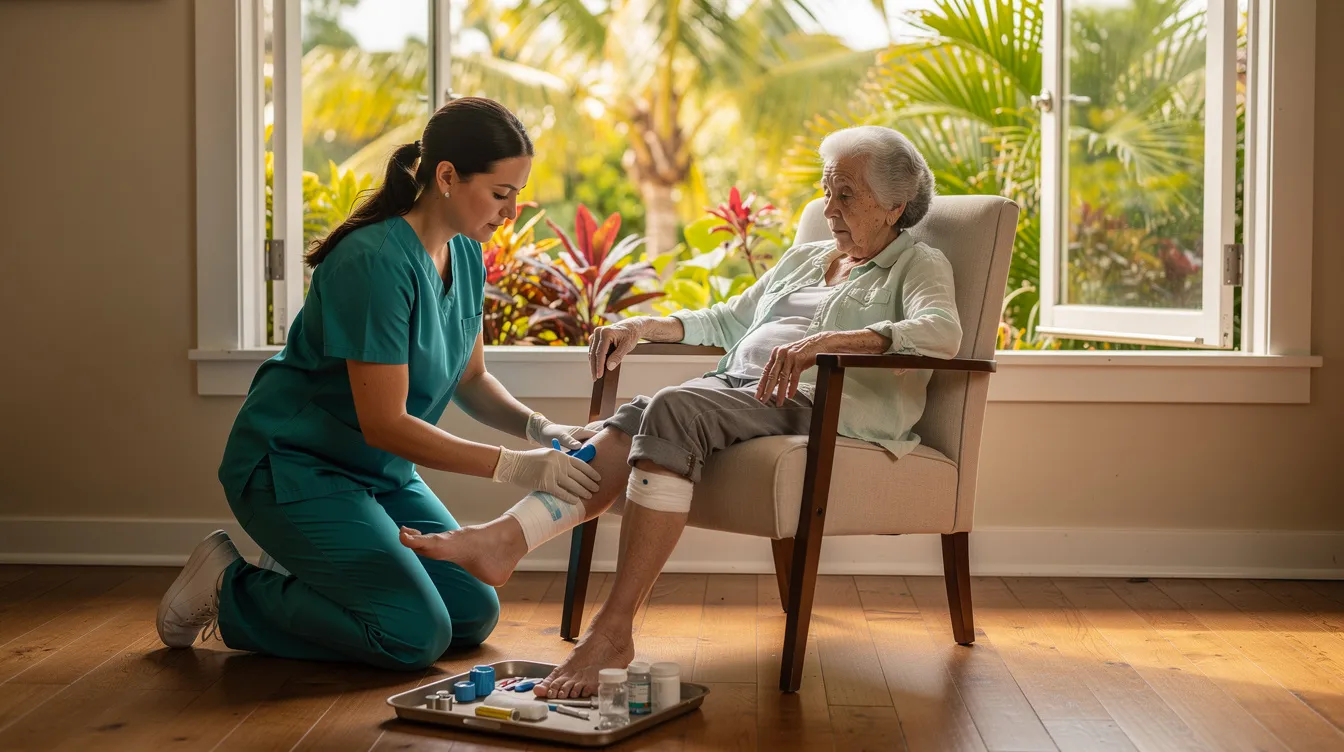
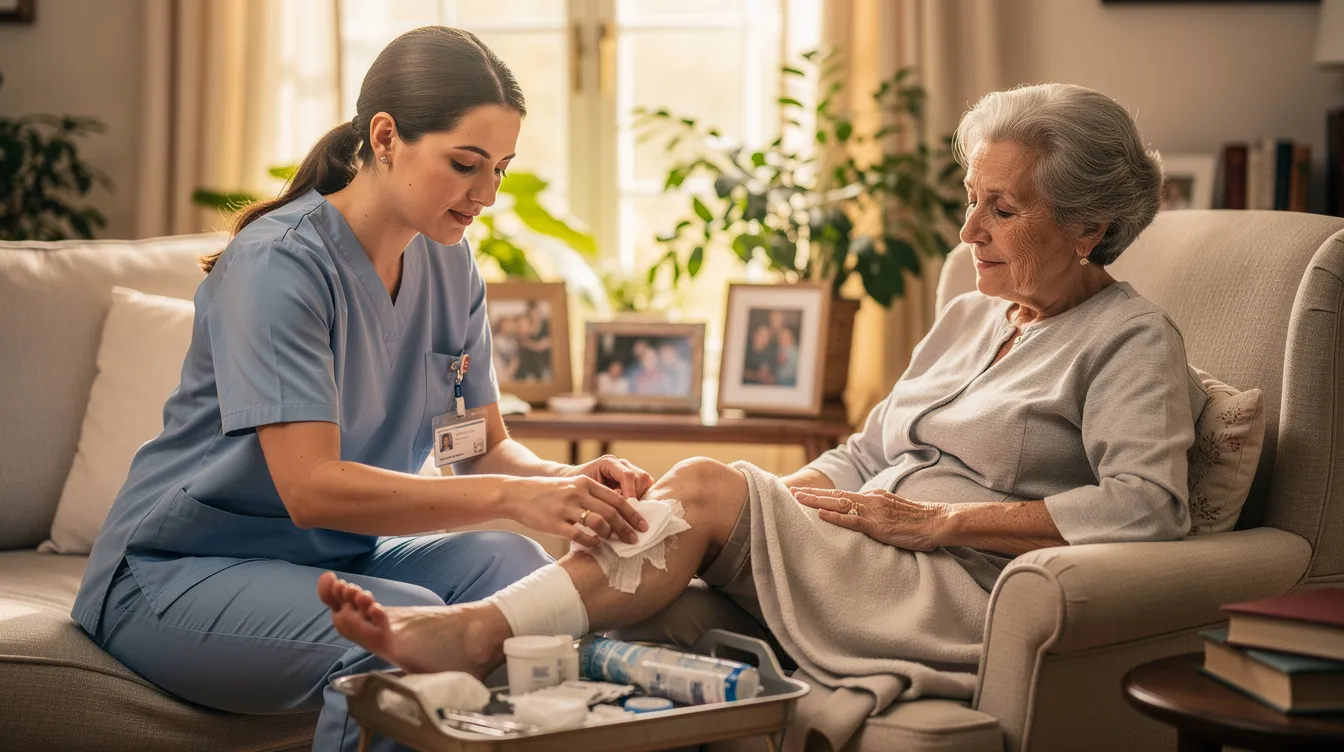
- Hawaii Advanced Wound Care is a mobile wound care service on the Big Island (expanding across Hawaii) that sends a wound care specialist registered nurse directly to patients' homes for expert assessment and ongoing care.
How Long Does a Wound Normally Take to Heal?
The body's natural healing process follows four overlapping stages: hemostasis (bleeding stops), inflammation (white blood cells clean the area), proliferation (new tissue forms), and maturation (the scar strengthens). You can read more about each stage in our essential guide to the phases of healing wound. In a healthy person, these stages progress in an orderly sequence, and most everyday injuries follow a predictable timeline.
Typical healing timeframes:
- Minor cuts and scrapes: about 7–14 days to close or substantially improve
- Small surgical incisions (no complications): 2–3 weeks until closure
- Deeper soft-tissue injuries, burns, or larger wounds: several weeks to months, depending on depth and location
Advanced age slows down the body's natural healing processes, and underlying health conditions like diabetes or vascular disease can stretch these timelines considerably.
Signs of a healing wound progressing normally:
- Wound size is visibly shrinking week to week
- Drainage is decreasing and becoming clearer
- Pain is stable or gradually lessening
- Pink or red healthy tissue (granulation) is forming in the wound bed
- Wound edges are pulling together
When to consider the wound delayed or non healing:
- Little or no visible improvement after 2 weeks
- Still open after 4–6 weeks
- Any wound persisting more than 3 months is considered a chronic wound
Diabetic ulcers, venous leg ulcers, and arterial ulcers almost never heal on their own and should be treated as chronic wounds from the start. A wound cannot heal if the root cause is not treated, such as infection or inadequate blood flow.
Common Reasons a Wound Is Not Healing
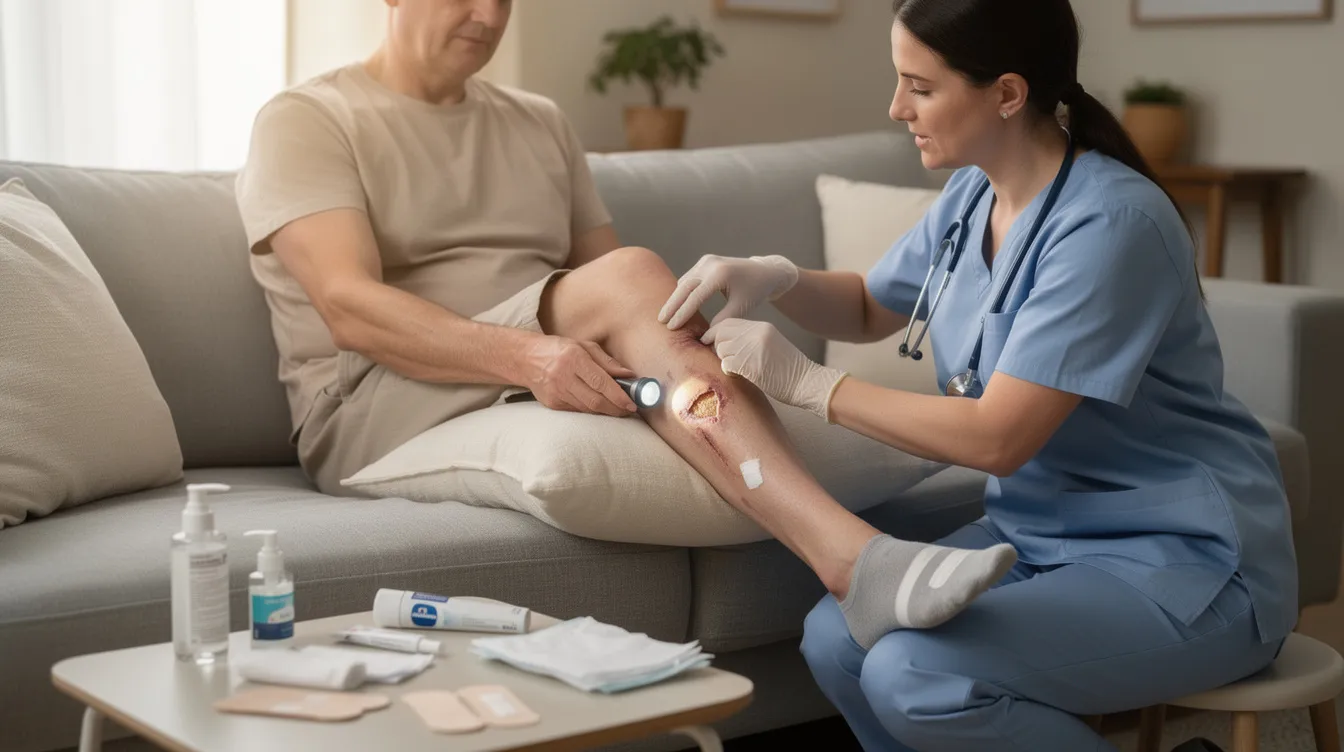
Non healing wounds-also called chronic wounds-usually have more than one cause. Several factors work together, and addressing only one while ignoring the others is a common reason wounds stall. Chronic wounds often involve underlying issues like poor circulation and infection, and they require targeted medical care addressing those underlying causes.
Major causes to be aware of:
- Poor circulation and arterial disease. Peripheral artery disease and other forms of vascular disease restrict blood flow to tissues. Poor blood circulation starves wounds of the oxygen and nutrients essential for tissue repair. Arterial ulcers result from poor blood flow due to narrowed blood vessels, appearing on toes, heels, or feet with a pale or necrotic base.
- Venous disease and swelling. Venous insufficiency causes fluid to pool in the lower legs, creating edema and tissue damage. Venous ulcers are the most common type of chronic wound. Patients may notice varicose veins, heavy legs, and brownish skin changes around the ankles.
- Uncontrolled diabetes. Diabetes can impair circulation and slow healing processes. Nerve damage (neuropathy) removes the warning signal of pain, and high blood sugar weakens the immune system. Diabetic ulcers often appear on the feet or lower legs, frequently over weight-bearing areas.
- Infection and biofilm. Bacteria can form a tough biofilm layer that resists the body's defenses and antibiotic treatment. Infection can prolong the inflammatory stage of wound healing, keeping the wound stuck in a cycle of redness and drainage instead of progressing to tissue repair.
- Pressure and repeated trauma. Pressure ulcers develop from prolonged pressure on the skin, particularly over bony prominences in people who are immobilized. Repeated friction or shear can reopen wounds before they close.
- Smoking. Smoking reduces blood flow and oxygen to tissues, delaying healing by constricting blood vessels and impairing the cells involved in wound repair.
- Poor nutrition. Without adequate protein, vitamin C, zinc, and overall calories, the body's ability to rebuild collagen and repair tissue is compromised. Nutritional support can significantly influence tissue repair.
- Medications. Steroids, immunosuppressants, and some anti inflammatory drugs can blunt the immune response and slow healing.
Venous versus arterial problems in simple terms: Venous issues present as heavy, swollen legs with varicose veins and heavier drainage. Arterial issues present as cool, painful feet with weak pulses and minimal drainage. Each leads to a different type of chronic wound with different treatment requirements.
Many chronic wounds stall in the inflammatory stage, with ongoing redness and drainage instead of forming healthy new tissue. In Hawaii, conditions like long-standing diabetes, limited mobility, and difficulty traveling to specialty clinics can increase the risk of non healing wounds that aren't caught early.
First Signs Your Wound Is (and Is Not) Healing Properly
Some tenderness, mild redness right at the edges, and clear or slightly yellow drainage are normal in the first few days after an injury. A fresh wound will naturally trigger the body's inflammatory response-that's how the body fights infection and starts cleanup. Here's how to tell whether your wound is on track or falling behind.
Positive signs your wound is healing:
- Pain is stable or gradually decreasing after the first few days
- A scab forms, or new pink tissue appears in the wound bed
- Drainage becomes clearer and lighter in volume
- The wound area is shrinking and edges are drawing together
- No foul smell
Warning signs that a wound is not healing properly:
- Size stays the same or grows after 1–2 weeks; non-healing wounds may increase in size instead of shrinking
- Thicker yellow or green drainage develops
- Persistent redness that spreads beyond the wound margins, or increasing warmth
- Surrounding skin becomes hard, cracked, or waterlogged
- Signs of non-healing wounds include persistent redness and swelling that doesn't resolve
Chronic wounds like diabetic foot ulcers and venous leg ulcers may not hurt much, especially in patients with nerve damage. Lack of pain does not always mean a wound is healing properly.
A practical tip: Take a phone photo and measure the wound's length and width each week. Monitoring the wound margins encourages you to track whether skin cells are migrating across the surface or whether healing has stalled. This simple habit gives you concrete data to share with your healthcare professional.
Signs Your Wound Needs Medical Attention
Any wound that is not clearly improving after 2 weeks, or not closed after 4–6 weeks, should be checked by a clinician. A wound that hasn't healed after six weeks warrants professional evaluation. But certain signs require you to seek medical attention the same day:
- Spreading redness or red streaks extending outward from the wound
- Rapidly increasing swelling
- Foul or strong odor from the wound area
- Thick green, brown, or yellow drainage
- Sudden or severe persistent pain, especially after days of stability
- Fever, chills, or feeling generally unwell
- Black or gray dead tissue in the wound bed, which may signal gangrene
- Visible bone or tendon in or around the open wound
Patients with diabetes, kidney disease, or poor circulation face especially high risk. Even a small foot wound or diabetic ulcer can progress to serious infection or amputation if ignored. Seeking prompt medical attention is important for signs of worsening infection.
Urgent care vs. emergency care:
- Urgent same-day care: spreading redness, increasing pain, heavy drainage, foul odor
- Emergency care (ER): high fever over 101°F, confusion, exposed bone, or rapidly progressing redness with systemic symptoms
Any wound near a joint, on the feet, or over bony areas that is not healing should be evaluated by a wound care specialist-not just managed at home with bandages. If you have an open wound that's been lingering, professional assessment can prevent complications.
What Are Chronic and Non-Healing Wounds?
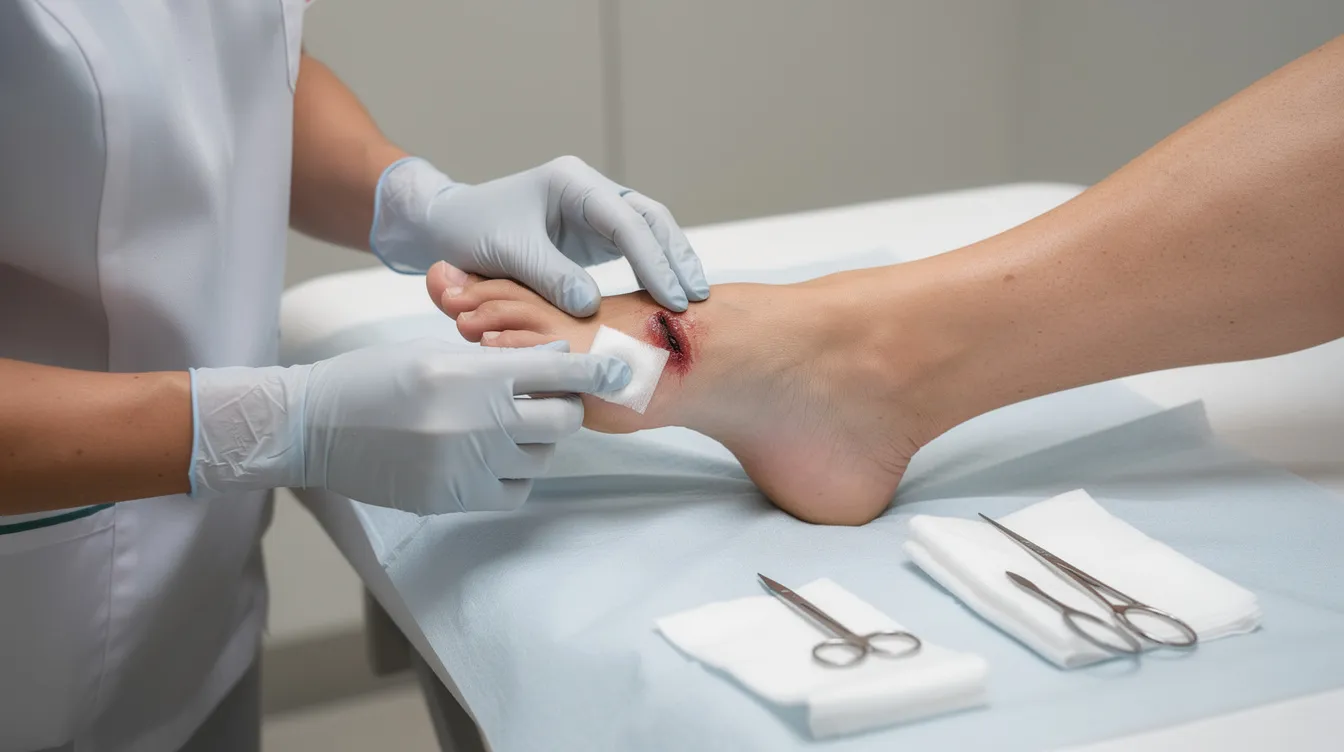
Chronic wounds are wounds that fail to progress through normal healing stages and stay open for more than about 4–6 weeks, often persisting over 3 months. Chronic wounds do not heal within three months despite reasonable care, and chronic wounds often remain in the inflammatory stage for too long, preventing the underlying tissue from rebuilding.
Common types of chronic wounds:
- Venous leg ulcers: shallow, irregular edges around the inner ankle, surrounded by swelling and brownish skin discoloration; venous ulcers are the most common chronic wound type
- Arterial ulcers: often on toes or feet, painful, with a punched-out appearance and pale or black base; caused by narrowed arteries that restrict blood flow
- Diabetic foot ulcers: frequently painless due to neuropathy, located on weight-bearing areas; linked to high blood sugar and poor blood circulation
- Pressure injuries (bedsores): develop from prolonged pressure on the skin, especially over bony prominences in immobilized patients
- Non healing surgical or traumatic wounds
Chronic wounds may stall in the inflammatory phase of healing. At the cellular level, growth factors and the cells involved in repair become senescent and stop responding. Bacterial biofilms can form, resisting the immune system and standard treatment. Many chronic wounds share these features regardless of type.
According to research, chronic wounds affect over 10.5 million Medicare beneficiaries in the United States. Diabetic foot ulcers carry a five-year mortality rate of roughly 31%-comparable to many cancers. These are not minor inconveniences; they are serious medical conditions that require early intervention.
Any wound that has not healed in 3 months despite care from a primary provider should be referred to a wound care specialist for more advanced evaluation and effective treatment.
How Healthcare Professionals Evaluate Non-Healing Wounds
Evaluation goes well beyond just looking at a wound. A thorough assessment considers the whole person-medical history, circulation, nutrition, and lifestyle factors-to uncover why healing has stalled.
Key steps in a professional wound evaluation:
- Detailed history: How and when the wound started, previous treatments attempted, changes in pain, any trauma or reinjury. The clinician will also review underlying medical conditions such as diabetes, vascular disease, chronic conditions, kidney disease, and current medications.
- Physical examination of the wound bed: Measuring wound length, width, and depth; checking for tunneling or undermining beneath the surface; evaluating tissue type in the bed-red granulation tissue (healthy), yellow slough, or black necrotic dead tissue; and noting odor, drainage quality, and amount. This wound regularly gets documented so progress (or lack of it) is tracked over time.
- Circulation assessment: For suspected arterial ulcers, clinicians palpate pulses in the feet, perform an ankle–brachial index (ABI) test, and may use Doppler ultrasound. Medical professionals assess circulation before applying compression therapy to ensure it's safe. If peripheral artery disease is confirmed, referral to a vascular specialist may follow.
- Infection workup: Looking for local signs (redness, heat, swelling, purulent drainage) and systemic signs (fever, malaise). A wound culture-using techniques like the Levine method or tissue biopsy-helps identify the bacterial burden driving chronic infection. This guides whether antibiotic treatment or specialized dressings are needed. Infection and inflammation control involves treating bacterial burden using specialized dressings or systemic antibiotics.
- Lab work and imaging: Blood glucose and HbA1c for diabetics, nutrition markers (albumin, prealbumin), and vitamin levels. X-rays or MRI may be ordered if the wound is deep, over bone, or shows signs of osteomyelitis.
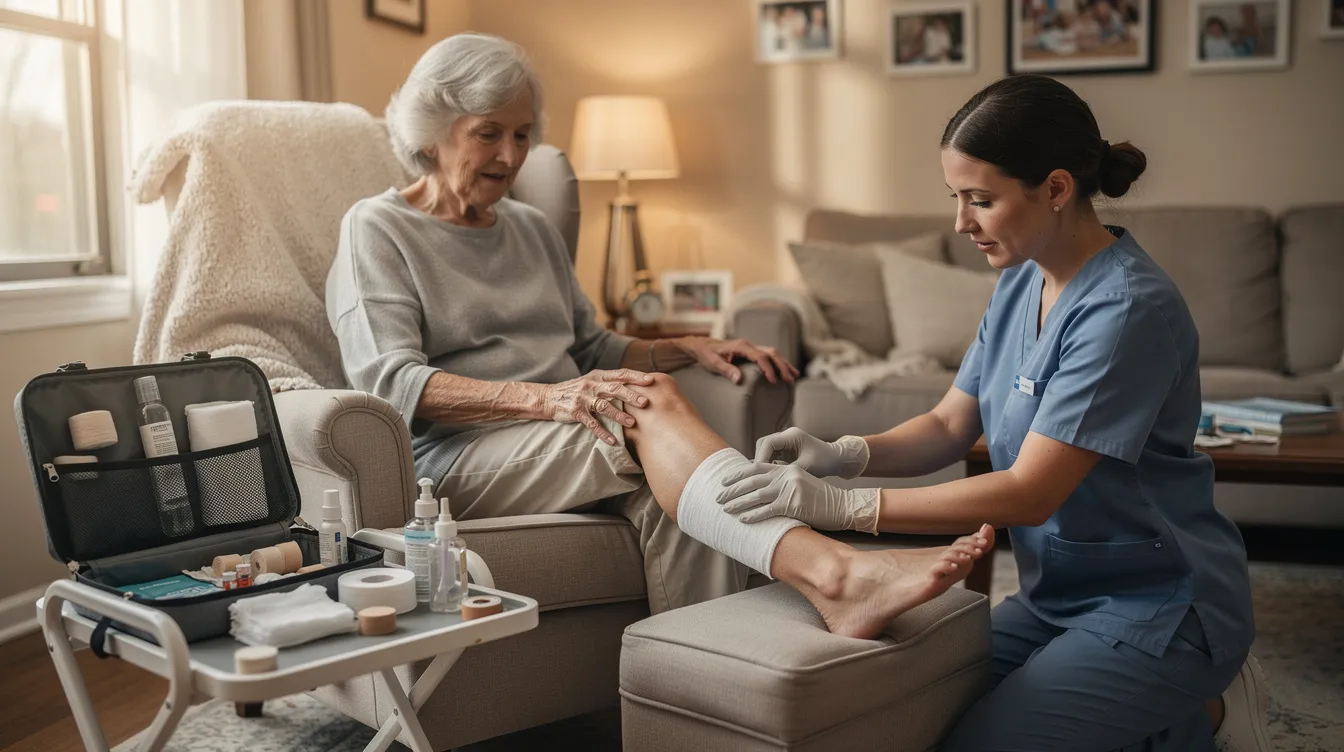
Hawaii Advanced Wound Care's mobile nurse can perform a comprehensive wound assessment right in the patient's home, as described by our wound expert, and coordinate with local primary care, vascular surgery, or endocrinology when needed.
Advanced Treatments for Difficult-to-Heal Wounds
Once the underlying causes are identified, chronic wounds are treated using a structured approach: removing dead tissue, controlling infection, balancing moisture, and supporting the wound edge to promote healing. This framework guides what happens at each visit.
Debridement:
Removing dead tissue and biofilm is often the first and most critical step. Surgical debridement, enzymatic agents, or autolytic methods clear the way for healthy granulation tissue to form. Debridement is essential for chronic wound care-research suggests it doubles the likelihood of chronic wound healing.
Compression therapy for venous ulcers:
Properly applied wraps or stockings reduce edema, improve venous return, and help venous leg ulcers heal significantly faster. This is the frontline treatment for wounds caused by venous insufficiency. Compression must never be used in significant arterial disease without a vascular assessment first.
Managing arterial ulcers:
The priority is improving blood flow-sometimes through vascular procedures like angioplasty or bypass surgery. Wound care focuses on gentle protection and avoiding further tissue damage. Strong compression is usually contraindicated in these wounds.
Advanced wound therapies:
- Negative pressure wound therapy uses vacuum suction to remove excess fluid, reduce swelling, and increase blood circulation to the wound bed. It's particularly helpful for large post-surgical or traumatic wounds.
- Advanced biological dressings and cellular or tissue-based products (bioengineered skin, placental membranes) can accelerate closure in wounds that have stalled. Specialized dressings help maintain moisture and enhance healing, because moist wounds heal faster than dry wounds and reduce infection risk. Moisture balance is crucial for wound healing to prevent complications.
- Growth factor dressings and other biologically active products are used once debridement and infection control are in place.
Hyperbaric oxygen therapy:
This involves breathing 100% oxygen in a pressurized chamber to deliver extra oxygen to poorly perfused tissues. Hyperbaric oxygen therapy increases collagen deposition and bacterial clearance, and is conditionally recommended by the IWGDF guidelines for select diabetic foot ulcers where standard care has not worked. It enhances healing in serious wounds but is an adjunct to-not a replacement for-standard wound care.
Systemic care:
Tight blood sugar control in diabetes, smoking cessation, correcting anemia, and nutrition with adequate protein, vitamins, and hydration supports tissue regeneration. Proper nutrition significantly influences tissue repair and the body's ability to produce collagen and fight viral infections or bacterial challenges.
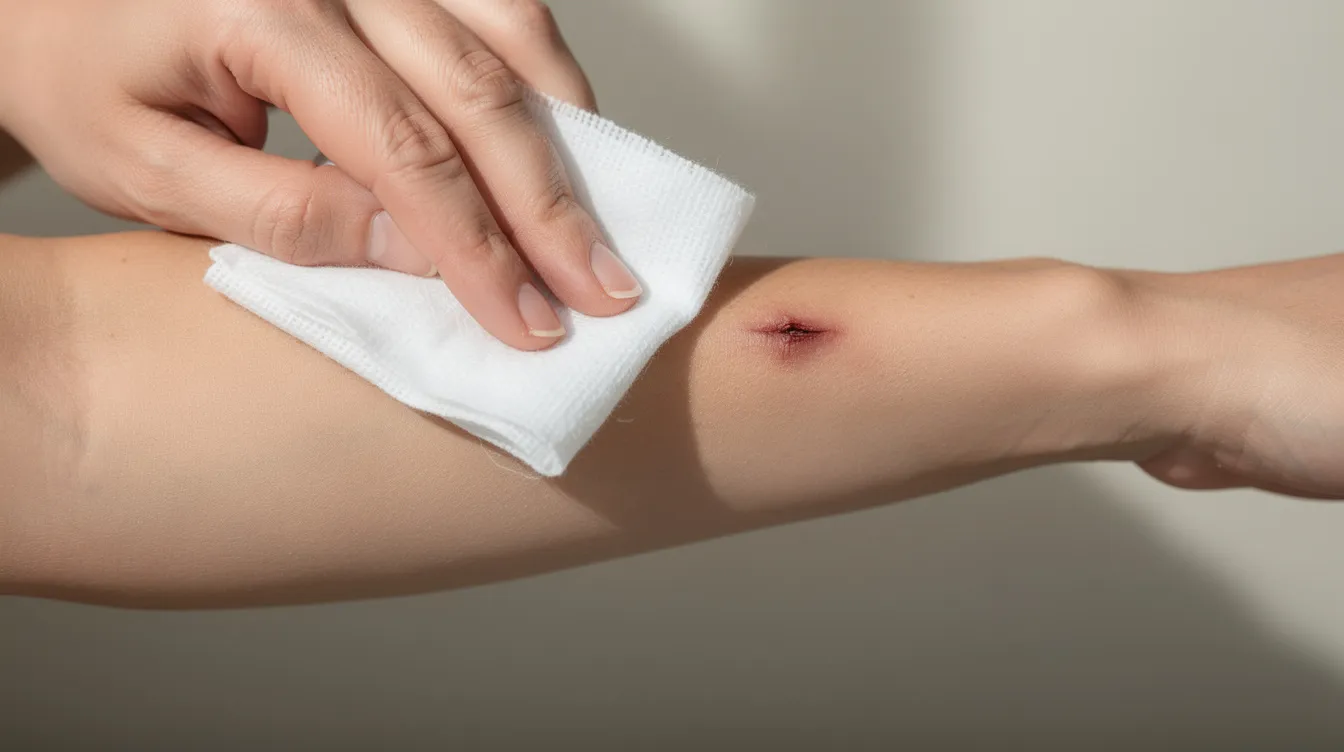
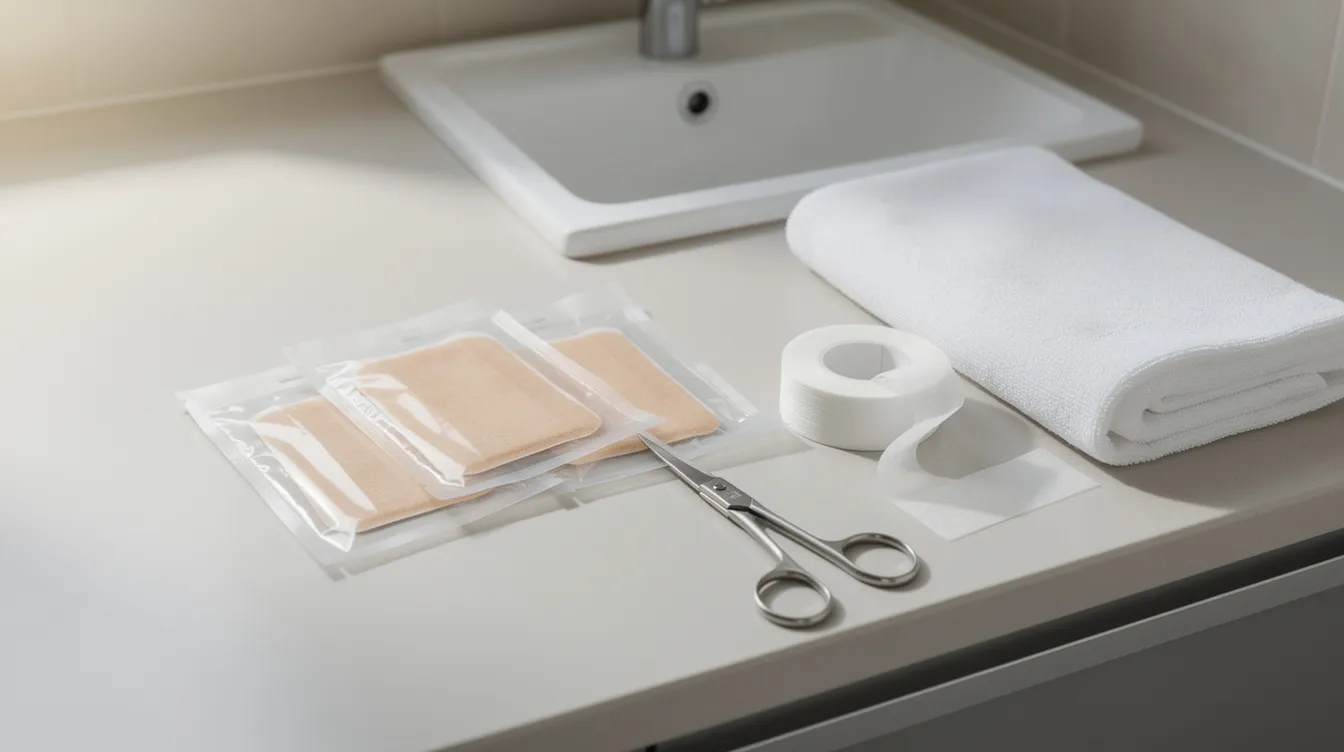
Hawaii Advanced Wound Care can perform many components of advanced care at home-ongoing debridement, complex dressings, compression therapy-and coordinate referrals for services like hyperbaric oxygen therapy when appropriate. Properly cleaning a wound is essential for healing and involves gentle techniques that our nurse applies at every visit.
Benefits of In-Home Wound Care in Hawaii
In Hawaii, long travel distances, limited specialty clinics, and mobility challenges make it difficult for many patients with chronic wounds to get consistent medical care. On the Big Island especially, a drive to a hospital-based wound center can take hours each way-time and energy that many kupuna and their caregivers simply don't have.

Practical benefits of mobile wound care:
- No need for frequent, exhausting clinic trips across the island
- Reduced burden on caregivers and family members who would otherwise need to drive and wait
- Fewer missed appointments, which is critical because chronic wounds without improvement within two weeks should be evaluated by a specialist-and staying on schedule matters
- Chronic wounds require professional medical evaluation rather than standard at-home first aid; mobile care brings that expertise to your door
Clinical benefits:
- Earlier identification of problems like infection, deterioration, or need for referral
- Consistent debridement and dressing changes on a reliable schedule
- Proper use of compression therapy with ongoing monitoring
- The nurse can assess the wound regularly and track whether it's responding to treatment
Home environment advantages:
Seeing where a patient lives allows the nurse to suggest pressure-relief changes-better footwear, offloading devices, repositioning schedules, bed and chair cushions-that patients might never hear about in a 20-minute clinic visit. Early intervention in the home setting can prevent hospitalizations and amputations, especially for high-risk diabetic foot ulcers and pressure injuries.
Hawaii Advanced Wound Care is locally owned and operated in Hilo, Hawaii. A registered nurse specializing in wound care provides effective treatment for non healing wounds directly in the patient's home. Currently serving Hawaii Island from headquarters at 101 Aupuni Street, Suite 320, Hilo, HI 96720, with plans to expand to other islands. Check with us to see if your area is covered.
How Hawaii Advanced Wound Care Can Help Your Non-Healing Wound
If you or a loved one has a wound that isn't getting better, waiting rarely makes things easier. Here's what you can expect from Hawaii Advanced Wound Care:
- A comprehensive in-home wound assessment, a personalized care plan, and regular follow-up visits-all without leaving your home
- Experience with complex wound types including diabetic ulcers, arterial ulcers, venous leg ulcers requiring compression therapy, pressure injuries, and non healing surgical wounds
- Coordination with your primary care physician, surgeons, and other specialists as needed to address every factor slowing your healing
Ready to take the next step? Call (808) 258-1298 or visit hawaiiadvancedwoundcare.com to request an in-home visit or ask whether your area is served. You can also explore our patient FAQs for more information about what mobile wound care involves.
Early consultation-even for a wound only a few weeks old that isn't improving-is often the key to avoiding hospitalization or amputation. Don't wait for a small problem to become a crisis.
Frequently Asked Questions About the Causes of Wounds That Won’t Heal and When to Seek Help
Can I just keep treating a non-healing wound at home with over-the-counter products?
Simple cuts may be fine with basic home care, but if a wound is not clearly improving after about 2 weeks-or if you have diabetes, circulation problems, or repeated breakdown-home care alone is not enough. Over-the-counter ointments do not fix underlying issues like poor blood flow, high blood sugar, or pressure. These require professional assessment and a targeted plan to promote healing and prevent complications.
What is the difference between a diabetic ulcer and other foot wounds?
Diabetic ulcers often occur on weight-bearing areas of the foot (ball of the foot, heel, tips of toes), are frequently painless due to nerve damage, and are strongly linked to high blood sugar and poor circulation. By contrast, traumatic cuts or blisters usually hurt and are noticed quickly. People with diabetes should have any foot sore evaluated early, especially if it is not showing signs of healing within a few weeks.
Will I always need surgery for a chronic wound?
Many chronic wounds can be managed without major surgery, using repeated debridement, specialized dressings, compression, offloading, and control of underlying conditions. Surgery or vascular procedures may be necessary in some cases-for example, severe peripheral artery disease or deep infection involving bone-but early specialist involvement can sometimes reduce how extensive surgery needs to be.
How does hyperbaric oxygen therapy fit into wound care?
Hyperbaric oxygen therapy is a treatment where patients breathe 100% oxygen in a pressurized chamber to deliver extra oxygen to poorly perfused tissues. It is reserved for specific non healing wounds, such as certain diabetic foot ulcers with poor oxygen levels, as referenced in j wound care and international wound (int wound) literature. It is usually added to-not a replacement for-standard wound care, debridement, and blood sugar control.
Does Hawaii Advanced Wound Care only treat severe wounds?
Not at all. The service treats a range of wounds, from early non healing wounds that are just not progressing as expected to long-standing chronic wounds that have been present for months. We encourage you to reach out early in the course of a problem so that in-home wound care can help prevent complications, reduce inflammation, and lower the risk of hospitalization.
Recent Posts