At-Home Care After Surgery: Safe Recovery and Home Wound Care in Hawaii
Key Takeaways
- The first 72 hours at home after surgery represent the highest-risk period for complications and readmission, with studies showing up to 20-30% of hospital readmissions occurring within this window.
- Proper at-home wound care, effective pain control, and fall prevention are the three biggest factors in staying out of the hospital—reducing readmission risks by up to 50%.
- Hawaii patients face unique challenges including long drives from rural areas to Hilo or Kona, limited public transportation, and humid climates that can accelerate wound infections.
- Hawaii Advanced Wound Care provides mobile, in-home wound treatment across the Big Island and expanding to other islands. Contact them at 808-289-7011 or visit www.hiwound.com
- Home wound care by a registered nurse is often safer and more convenient than repeated hospital or clinic visits for people throughout Hawaii.
Introduction: Why At-Home Care After Surgery Matters
Recovery truly begins after you walk out the hospital door. Whether your surgery happened in early 2026 or any recent year, the shift from constant medical supervision to the quiet of your own home marks a critical transition. Post-surgery home care is essential for helping patients regain strength, manage medications, and monitor for complications in a familiar environment.
For many families in Hawaii, this transition brings unique challenges. Patients living in Puna, Ocean View, or Waimea may face 90-minute drives just to reach follow-up appointments in Hilo. Limited public transit options compound the difficulty. The transition from hospital to home can bring about an emotional shock for patients and their families, as they move from a highly supervised environment to a setting without constant support of medical staff. Many patients experience a sense of abandonment after leaving the hospital, and recognizing these feelings is essential for a safe and confident recovery. Preparing the home environment and establishing routines can help reduce stress for both patients and families, contributing to a safer and smoother healing process.
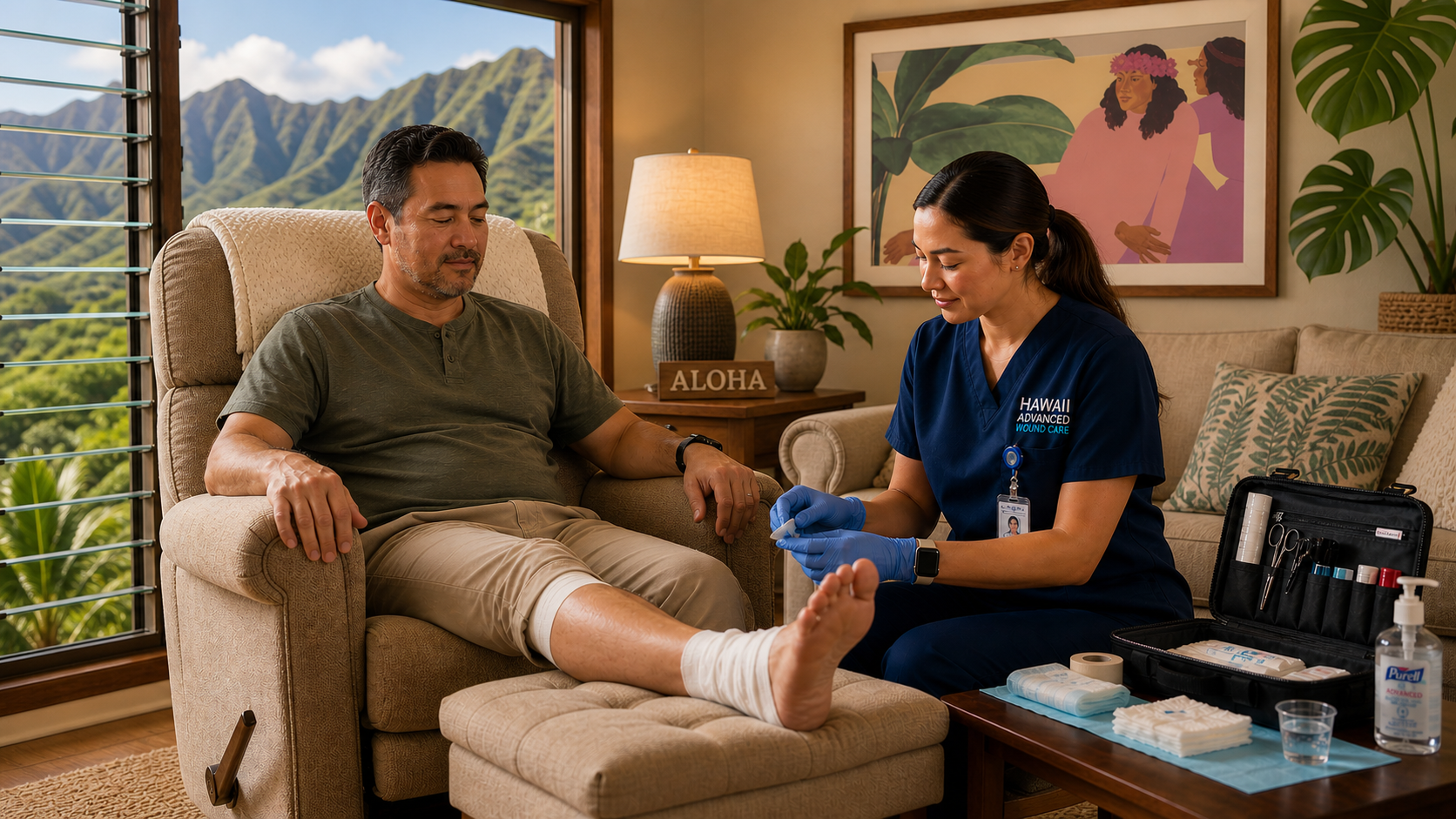
It helps to understand two distinct layers of support. Non-medical home care services cover daily tasks like meal preparation, mobility assistance, and running errands. Skilled home health services involve medical services such as wound care, medication management, and infection monitoring performed by healthcare providers like a registered nurse. Common surgeries requiring intensive at-home oversight include hip or knee replacements, abdominal procedures, C-sections, diabetic foot debridements, and vascular surgery. Hawaii Advanced Wound Care, based in Hilo at 101 Aupuni Street, Suite 320, is a mobile RN-led service that comes directly to your home for wound care and chronic wound management.
Understanding At-Home Care After Surgery
At-home post-surgical care encompasses all support you receive after hospital discharge from facilities in Hilo, Kona, or anywhere else. This care plan bridges the gap between hospital stay and full recovery process.
Two main layers of support exist:
| Type | Services Provided | Who Delivers It |
|---|---|---|
| Non-medical daily help | Meal preparation, bathing assistance, grocery shopping, transportation | Family caregivers, professional caregivers |
| Skilled medical services | Wound care, medication reminders, complication monitoring, physical therapy | Registered nurse, physical therapist, occupational therapy specialists |
In the first 2-4 weeks, patients typically need incision checks, dressing changes, help with stairs, reminders to take antibiotics, and safe showering setups. The length of post-surgery care varies depending on the procedure and individual recovery pace—some laparoscopic surgeries require just 3-7 days of extra help, while joint replacements or diabetic foot surgery often demand several weeks of structured in home care.
Physical therapy is essential after many types of surgery, especially joint replacements, as it helps improve recovery outcomes by guiding patients through safe movements to speed healing and restore function. Your surgeon’s discharge instructions and home care services should work together seamlessly to prevent infection, blood clots, and falls throughout the healing process.
Planning for the First 72 Hours at Home
The first 72 hours at home after hospital discharge are critical—this is when the risk of complications and readmissions is highest. Pain tolerance wanes, family member fatigue sets in, and vital sign monitoring diminishes compared to the hospital environment.
Discharge planning should begin as soon as hospitalization starts, not just on the day of discharge, to ensure a smoother transition home. Before surgery, complete these preparation steps:
- Arrange reliable transportation home (no driving for 24-48 hours post-anesthesia)
- Keep walkways clear of clutter, including electrical cords and other trip hazards, to reduce the risk of falls during recovery
- Install grab bars in bathrooms and near beds
- Set up a temporary recovery area on the first floor if possible
- Stock easy-to-digest foods like bananas, broth, and crackers
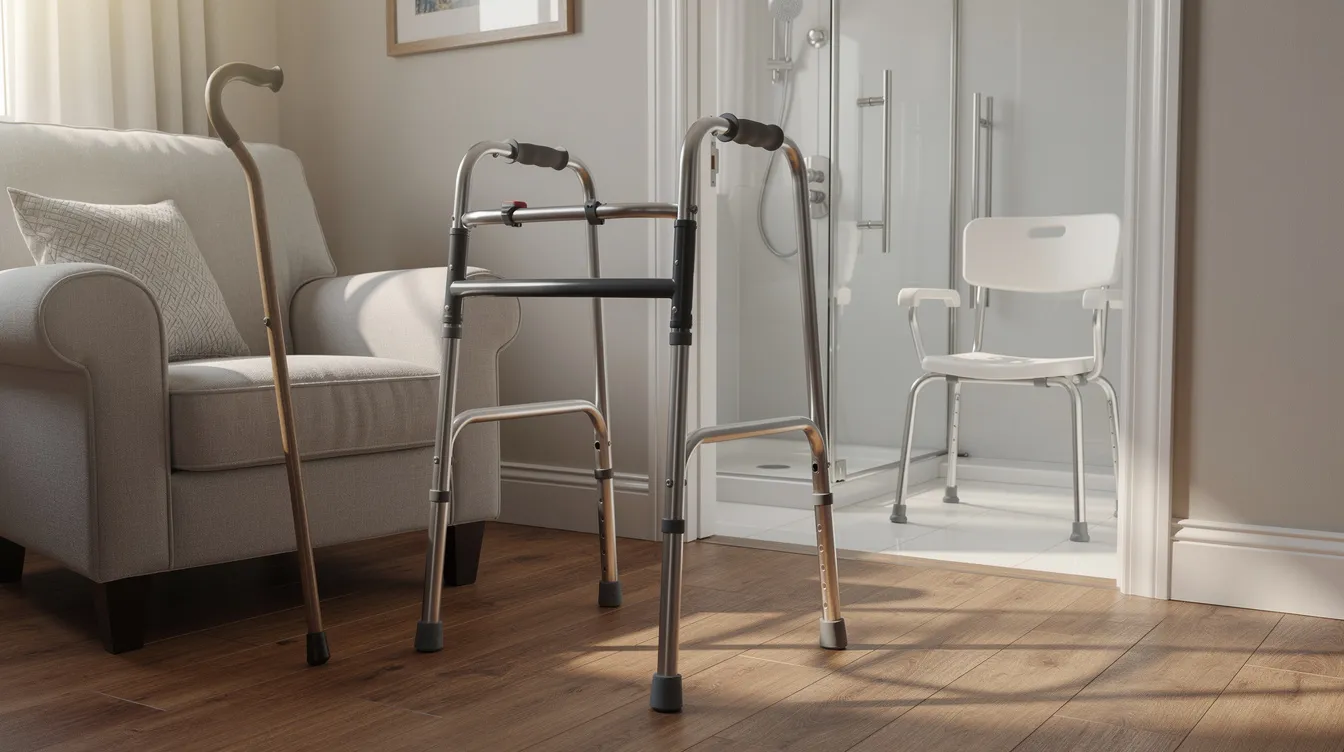
- Gather adaptive devices recommended by your doctor, such as walkers or shower chairs
Preparing the home environment in advance can help reduce stress for both patients and caregivers, making the transition home safer and smoother.
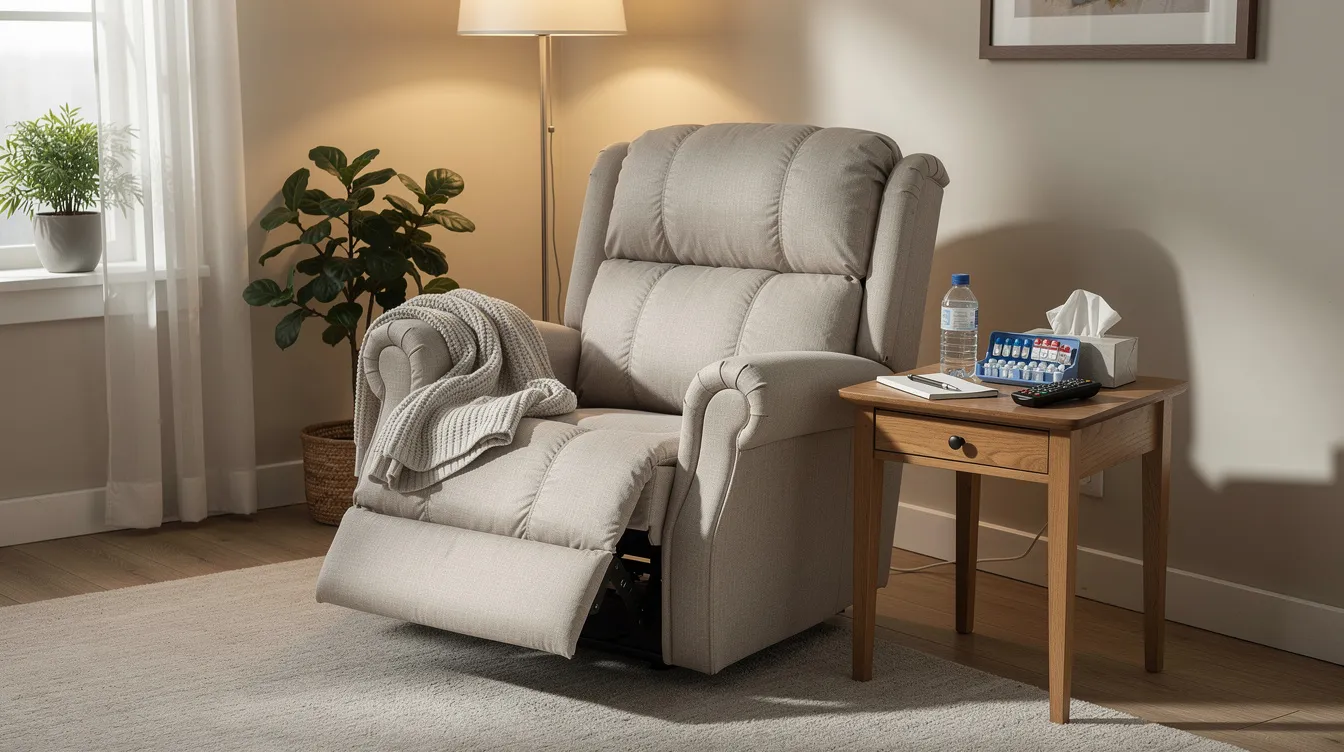
Organize medications using a labeled pill box and printed schedule matching your 2026 discharge papers. In those first three days, monitor closely for fever above 100.4°F, increasing redness around the incision, uncontrolled pain, drainage soaking through dressings, shortness of breath, or confusion.
For families in Hawaii, pre-scheduling a home wound care visit with Hawaii Advanced Wound Care allows an RN to assess the incision within 24-48 hours of discharge—call (808) 258-1298 to arrange this before leaving the hospital.
Day-to-Day Care at Home After Surgery
The daily routines you establish in the first 2-6 weeks shape your entire surgery recovery. Consistent adherence to your care plan can accelerate the healing process by 20-30%.
Setting up a central “Recovery Station” helps limit unnecessary movement and keeps essentials nearby during recovery. Key daily care components include:
- Taking medications on time (medication management is a critical service, ensuring patients take medications as prescribed while monitoring for side effects)
- Staying hydrated with 8-10 glasses of water daily
- Eating protein-rich meals to support tissue repair
- Doing doctor-approved movement
- Protecting the surgical site
Establishing routines and a dedicated recovery area can help reduce stress for both patients and caregivers, contributing to a smoother healing process.
Pain management should focus on keeping discomfort at manageable levels to enable safe rest and mobility. Gentle movement, such as short walks every few hours, helps prevent complications like blood clots and pneumonia. Your care team or physical therapist will provide specific guidance.
Home safety practices are essential to prevent falls and improve mobility:
- Use a shower chair to reduce slip risk by 70%
- Keep pets away from the incision area
- Ensure adequate lighting in all areas where the recovering individual will be moving
- Use nightlights to illuminate paths to bathrooms at night
- Wear non-slip slippers
Sleep and rest patterns matter significantly—aim for 8-10 hours nightly plus short 20-30 minute daytime naps. Chronic sleep deprivation elevates cortisol, delaying tissue repair by up to 25%. Avoid overexertion and target 50% of pre-op activity levels by week four.
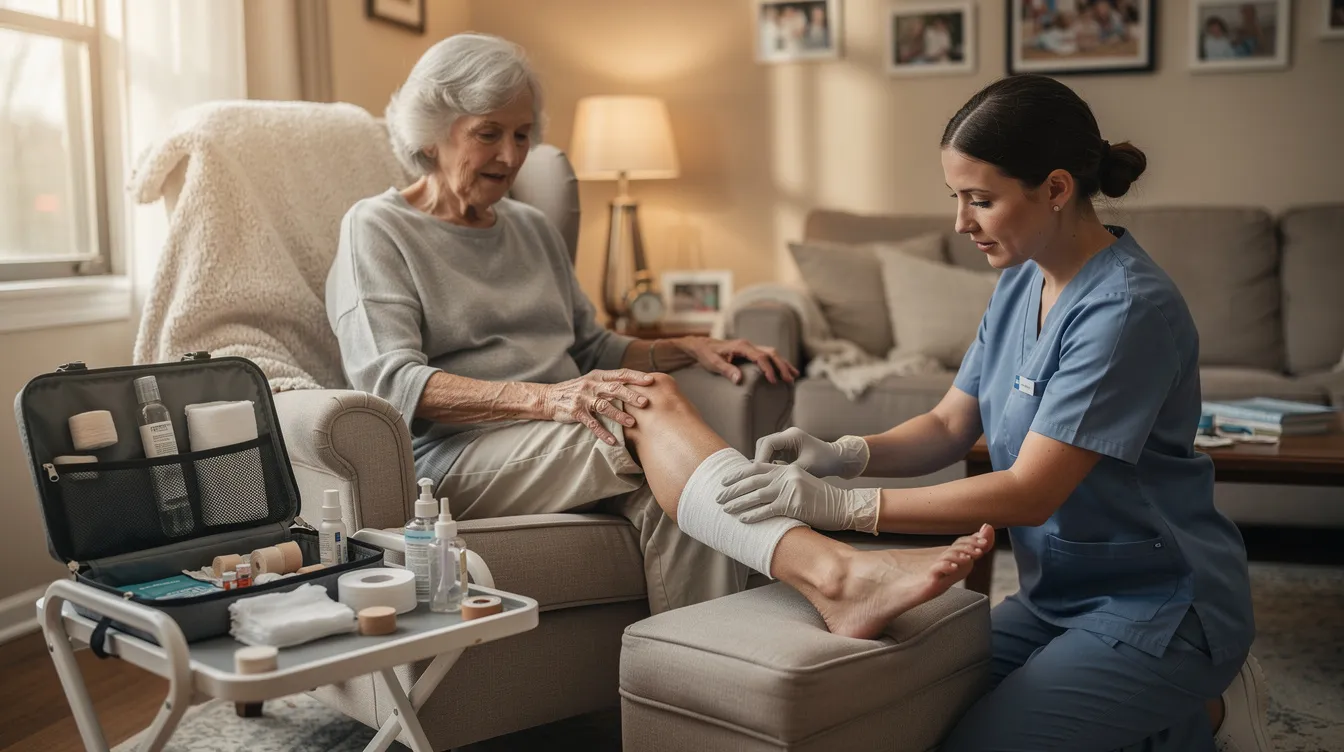
Wound Care at Home: Keeping Incisions Clean and Healing
Hawaii’s warm, humid climate (70-90% relative humidity) creates ideal conditions for bacterial growth. Surgical site infection rates in tropical regions run 5-10% compared to 2-5% on the mainland, making proper incision care in your own home absolutely critical.
Patients are generally allowed to shower 24-48 hours post-surgery, but should avoid submerging the wound in water. Proper incision care includes keeping the site clean and dry and following instructions for dressing changes to prevent Surgical Site Infections.
Follow these step-by-step basics for wound care:
- Wash hands thoroughly for 20 seconds (reduces contaminants by 90%)
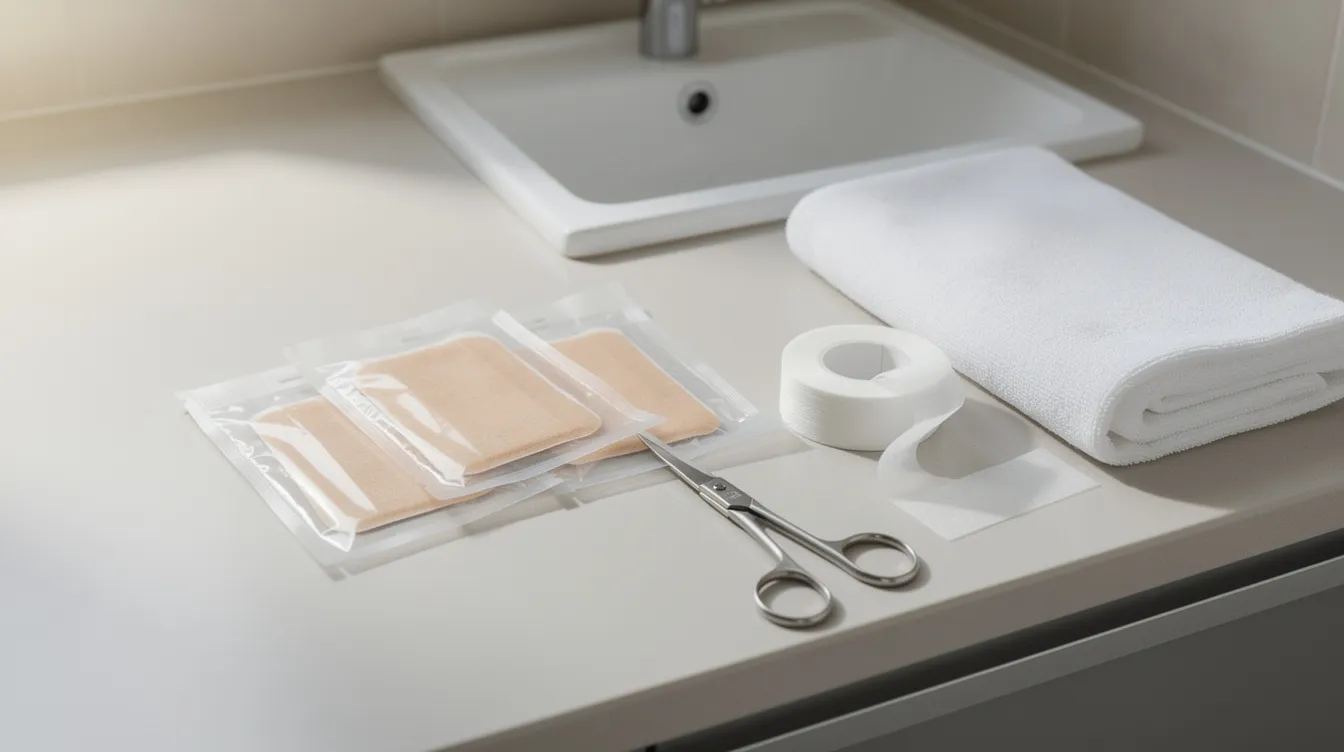
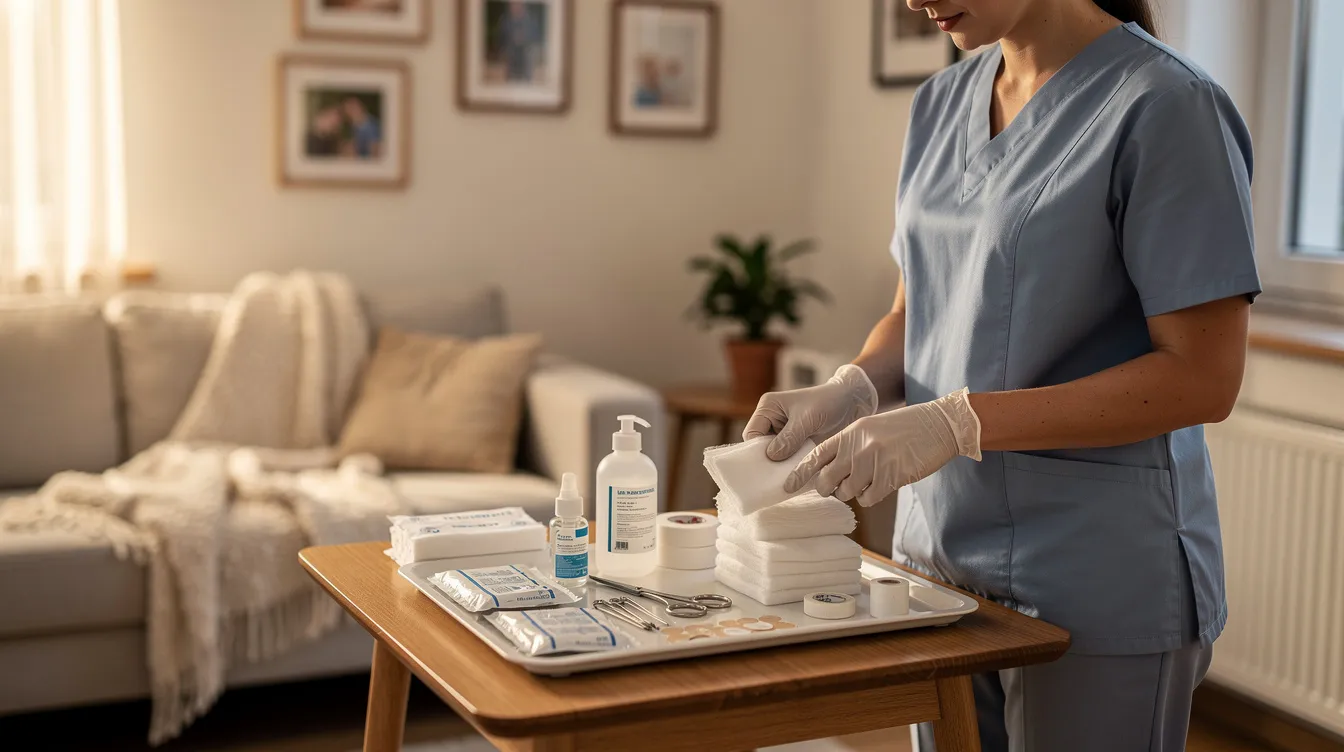
- Prepare a clean surface with good lighting
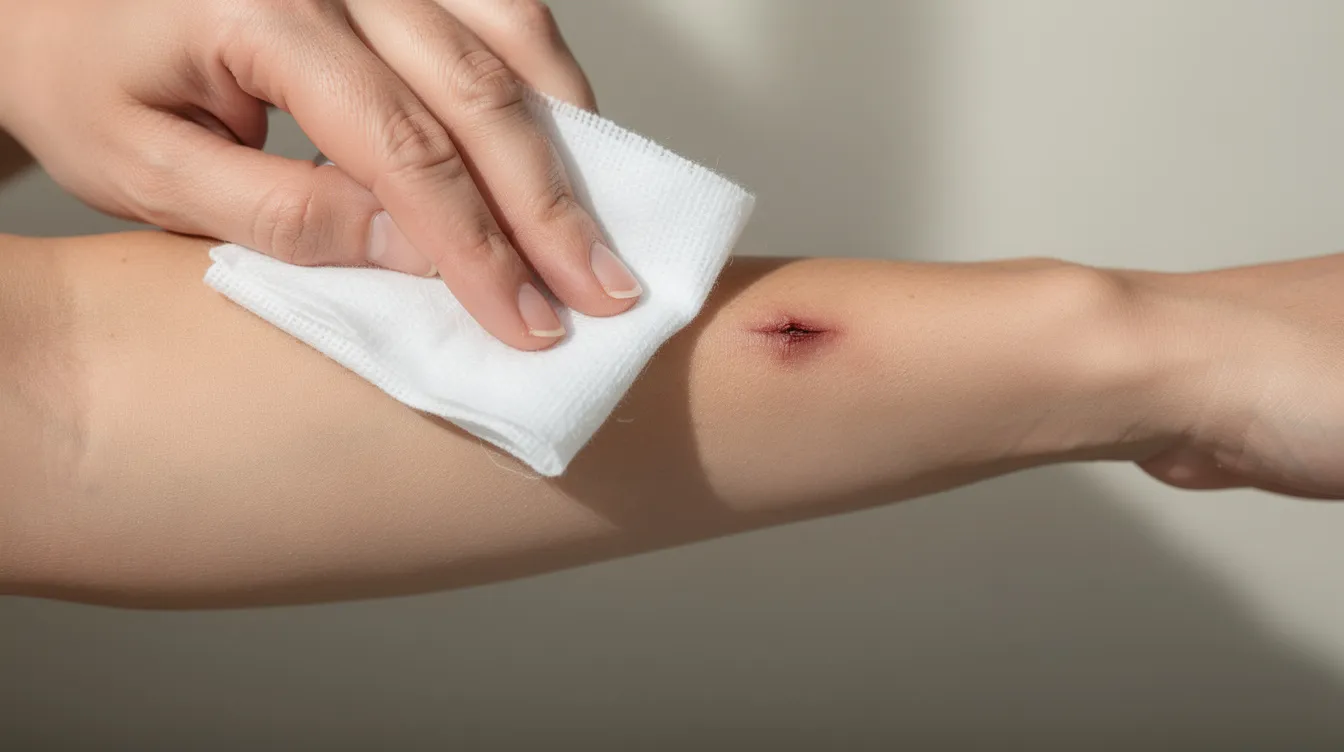
- Gently remove old dressings without pulling
- Inspect the wound for changes in color, depth, or drainage
- Apply new sterile dressings as instructed
It is important to monitor for signs of infection such as spreading redness larger than a quarter, unusual warmth, thick yellow or green discharge, foul-smelling drainage, or fever over 101.0°F. Signs of infection also include increased pain not alleviated by medication—these warning signs require immediate attention from your healthcare providers.
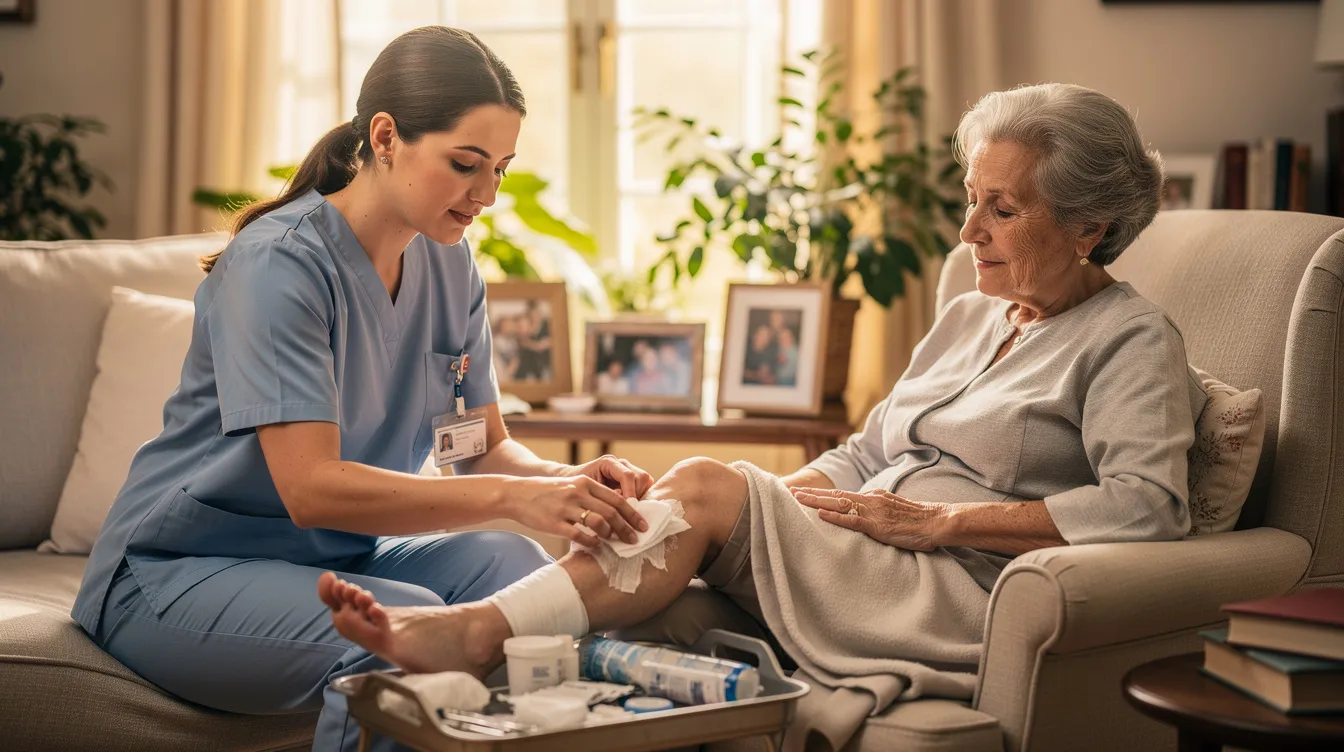
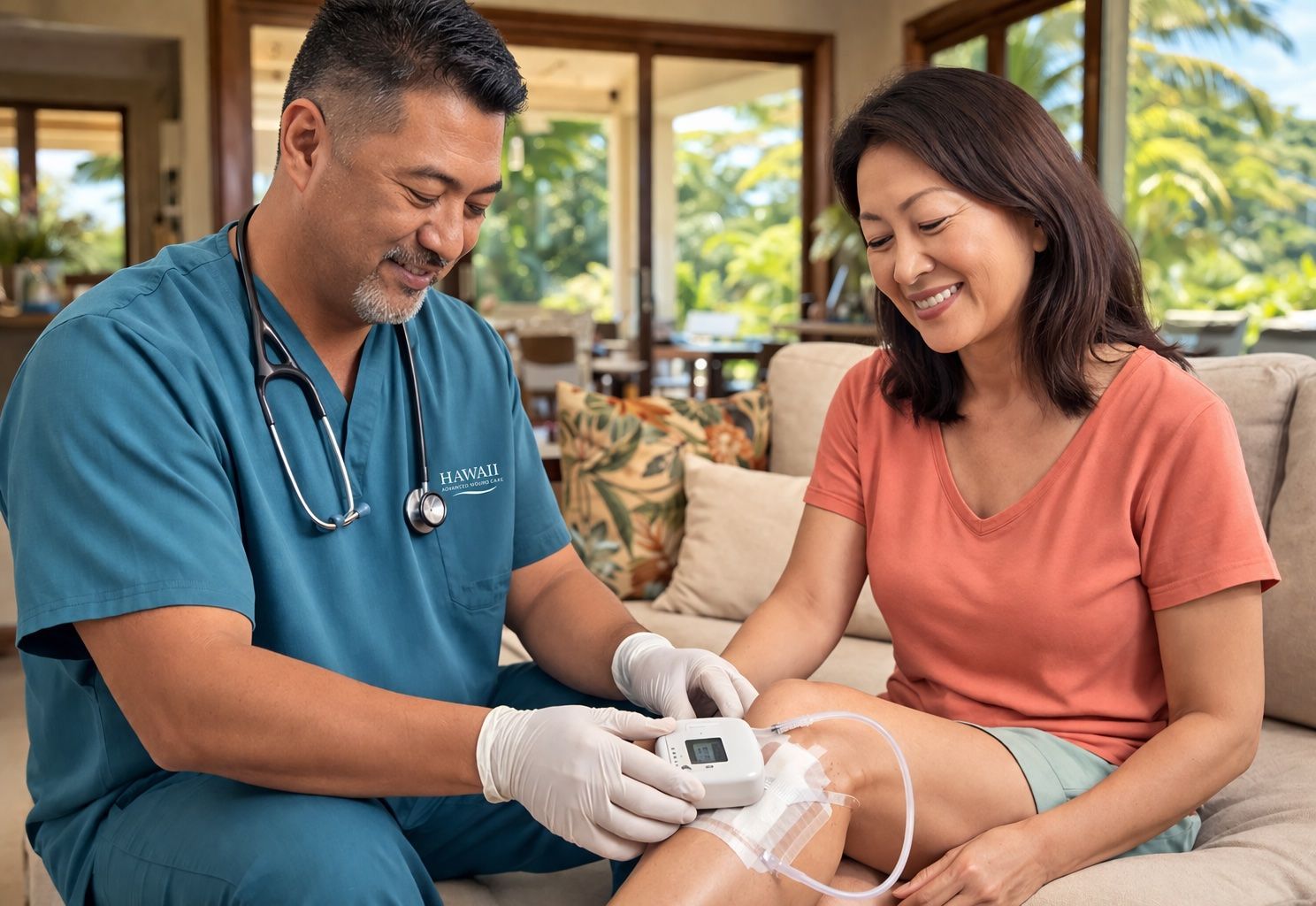
Hawaii Advanced Wound Care handles surgical incisions, diabetic foot wounds after debridement, vascular leg ulcers, and pressure injuries that developed during hospitalization. A registered nurse performs advanced wound care including sharp debridement when ordered, specialized dressings like silver-impregnated foams, and ongoing wound assessment—reducing the need for clinic visits across the Big Island.
Home Wound Care vs. Hospital Wound Care in Hawaii
Consider the experience of traveling back to an outpatient wound clinic versus having a wound care nurse come to your home. For many families in Hawaii, the difference is dramatic.
Hospital/clinic challenges in Hawaii include:
- Long drive times (90+ minutes from Puna, Waimea, or Ocean View to Hilo)
- Parking delays and check-in waits of 20-30 minutes
- Sitting in waiting rooms with other sick patients, where MRSA acquisition risk is 3-5x higher
- Repeated car transfers with fresh incisions causing pain and potential wound disruption
Advantages of home wound care:
- Less exposure to hospital-acquired infections (CDC data shows 40-60% reduction)
- No repeated car transfers with fresh surgical sites
- The nurse can assess your actual living environment—bed, shower, stairs
- Tailored wound dressings and off-loading strategies matched to your own furniture and footwear
- Faster response times (24-48 hours versus weeks for clinic appointments)
Studies published in Home Healthcare Now journal demonstrate that home-based wound care heals chronic wounds 28% faster and cuts costs by 30%. Hospital-based wound care remains important for complex surgeries and emergencies, but for ongoing management of healing or chronic wounds, home-based care with Hawaii Advanced Wound Care is often more comfortable and safer—especially for older adults and those with mobility challenges.
When You Need a Nurse vs. When a Caregiver Is Enough
Understanding the difference between skilled nursing and non-medical support helps families make the right support decisions.
Situations requiring a registered nurse after surgery:
- Complex or large incisions needing debridement
- Diabetic wounds with neuropathy risk
- Signs of infection requiring cultures
- Need for advanced dressings like alginates or negative pressure therapy
- Multiple medications with high risk (blood thinners, IV antibiotics)
Situations where a family member or caregiver may suffice:
- Steady but limited mobility
- Simple bandages that only need watching
- Oral pain medication reminders
- Basic meal preparation and daily tasks
Caregivers provide non-medical support after surgery, including assistance with daily activities, meal preparation, and medication reminders, which are crucial for a safe recovery at home. Many families benefit from respite care arrangements where professional caregivers provide periodic relief for family caregiving responsibilities. Having the same caregiver consistently can provide trusted support and personalized care throughout recovery.
Hawaii Advanced Wound Care focuses on skilled wound care nursing and can coordinate with family and local caregivers to create a complete support plan. When unsure whether you need quality care from an RN or non-medical help, call (808) 258-1298 to ask whether a nurse visit is appropriate. Social workers and discharge planners at your hospital can also answer questions about your options.
Types of Surgeries That Benefit Most from Home Wound Care
Nearly any surgery leaving an incision can benefit from surgery in home care, but some major procedures carry particularly high risk without close monitoring.
Joint replacement surgeries (hip and knee): These require wound checks, swelling monitoring, and safe walking in the home. Post surgery recovery typically spans 6-12 weeks with 15% readmission risk. Physical therapy starting on day one reduces stiffness by 30%, and home-based PT helps patients regain strength safely.
Abdominal surgeries (hernia repairs, gallbladder removal): Keeping incisions dry is critical, watching for bulging or redness, and avoiding heavy lifting over 10 pounds for six weeks post surgery. Dehiscence risk runs around 5% without proper monitoring.
Diabetic foot and leg surgeries: Common in Hawaii where diabetes affects 12% of adults, these wounds demand professional wound care due to poor circulation and neuropathy that delays healing by 2-3x. Pro wound care halves amputation rates.
Cardiac or vascular surgeries: Sternal or leg incisions need close monitoring. Leg graft failure reaches 15-20% without proper compression therapy and surveillance. Repeated hospital trips are taxing for families living outside Hilo or Kona, making mobile surgery care invaluable.
Nutrition, Hydration, and Bowel Care After Surgery
What you eat and drink in the first 4-6 weeks strongly affects wound healing speed and energy levels. A high-protein diet combined with hydration (8-10 glasses of water daily) aids in smooth recovery.
Meal preparation is an important aspect of post-surgery care, as caregivers can prepare balanced meals that meet dietary needs, which is vital for comfortable recovery. Good nutrition from Hawaii staples supports healing:
| Food | Benefit |
|---|---|
| Fresh fish (poke) | 20g protein per serving |
| Tofu | 10g protein per 100g |
| Eggs and beans | Complete proteins |
| Papaya | Vitamin C boosts absorption 2x |
| Leafy greens, brown rice | Fiber and micronutrients |
Opioid pain medications cause constipation in 40-80% of patients by slowing gut function. Counter this with 25-30g fiber daily, stool softeners like docusate, and at least 64 ounces of water if approved by your doctor. Don’t hesitate to discuss bowel concerns with your care team.
Avoiding alcohol while taking prescription pain medications is crucial to prevent dangerous interactions and promote healing. Smoking can hinder recovery by reducing blood flow and slowing tissue healing—abstaining during early recovery makes a measurable difference.
A practical daily checklist for families: Did we drink enough water today? Did we eat adequate protein? Did we achieve at least one comfortable bowel movement? Emotional recovery after surgery is as important as physical recovery, and achieving these basics reduces stress for everyone.
Preventing Complications and Avoiding Readmission
Approximately 15-20% of surgical patients face readmission within 30 days—and 70% of these are preventable. Common causes include infection (30%), DVT (10%), uncontrolled pain (15%), and falls (20%).
High-level strategies for safe recovery:
- Effective discharge planning includes understanding and following discharge instructions exactly
- Keeping all follow up appointments
- Using assistive devices correctly (walkers cut fall risk by 50%)
- Never skipping medications like blood thinners or antibiotics
Red-flag symptoms requiring immediate action (call surgeon or 911):
- Chest pain or sudden shortness of breath
- Inability to urinate
- Heavy bleeding from the incision
- Severe confusion or disorientation
Home wound care visits play a crucial role in catching subtle signs of decline early—slowly increasing redness or swelling that family caregivers might miss. For rural communities on the Big Island, having mobile home health services can significantly reduce the risk of avoidable emergency room trips and re-hospitalizations. This makes life easier for everyone involved.
How Hawaii Advanced Wound Care Supports At-Home Recovery
Hawaii Advanced Wound Care is a Hilo-based, mobile wound care service providing in-home visits across the Big Island and expanding to other islands. The service brings hospital-level wound expertise directly to your home.
The clinician is a registered nurse specializing in wound care who travels to patients, performs thorough wound assessment, and communicates with the surgeon or primary doctor. Services include:
- Surgical incision care after major procedures
- Chronic wound management (diabetic ulcers, venous leg ulcers, pressure injuries)
- Dressing changes using advanced materials
- Patient and family education on wound care techniques
- Documentation for the medical team and insurance provider
Contact Information:
- Phone: (808) 258-1298
- Website: hawaiiadvancedwoundcare.com
- Office: 101 Aupuni Street, Suite 320, Hilo, HI 96720
Patients can often schedule their first home visit before leaving the hospital, creating a seamless transition from hospital door to home health care. This proactive approach supports mental health by reducing anxiety about managing wounds alone.

How to Arrange At-Home Wound Care in Hawaii
A few days before your planned surgery date or before hospital discharge, take these practical steps:
- Confirm surgeon support: Verify your surgeon approves home wound care and will provide necessary orders
- Gather insurance information: Check with your insurance plan about coverage requirements
- Contact Hawaii Advanced Wound Care: Call (808)289-7011 or visit www.hiwound.com to check service area availability
An initial consultation typically involves a brief phone call reviewing the surgery type, discussion of discharge instructions, and scheduling home visits for the first 1-3 weeks after surgery. Ask about payment options and what documentation your insurance provider may require.
Even if surgery has already happened, families can reach out days or several weeks later if a wound is slow to heal or becomes more difficult to manage at home. It’s never too late to get the right support for after surgery care.
Frequently Asked Questions About Safe Recovery and Home Wound Care in Hawaii
How soon after surgery should I schedule home wound care?
Many patients benefit from a nurse visit within the first 24-72 hours after arriving home, especially after major procedures or if they have diabetes or circulation problems. The first few hours and days carry the highest risk for complications that trained eyes can catch early.
Families in Hawaii can call Hawaii Advanced Wound Care at (808)289-7011 as soon as they know the approximate discharge date—even before surgery happens. If the wound already shows signs of trouble like increased redness or drainage, request an urgent home visit when appropriate. However, emergency warning signs like heavy bleeding, chest pain, or severe breathing difficulty require calling 911 immediately, not waiting for a routine visit.
What should I have ready at home before my first wound care visit?
Prepare a clean table or counter with good lighting where the nurse can work. Have any dressings or medical supplies sent home from the hospital readily available, along with your medication list and a copy of discharge papers. Wear comfortable, loose clothing that doesn’t rub on the incision, and have any mobility aids (walker, cane, shower chair) accessible.
The nurse from Hawaii Advanced Wound Care will review your supplies during the first visit and recommend any additional items available locally in Hilo or by island delivery. Having a loved one or caregiver present allows them to learn how to assist with daily care between visits—this helps reduce stress and builds confidence for family caregiving.
Can I still have home wound care if I live outside Hilo?
Yes. Hawaii Advanced Wound Care is based in Hilo but serves multiple communities across the Big Island and is expanding to other islands. Call (808)289-7011 or visit www.hiwound.com to verify whether your town or neighborhood is currently covered.
Even if you live in a more remote area, it may still be possible to coordinate periodic visits or a mixed plan combining telehealth guidance with in-person wound checks. Exact availability changes over time, so always verify current service areas directly with the company. This flexibility helps address the medical condition needs of patients who might otherwise face mobility challenges traveling to clinics.
Does insurance cover in-home wound care after surgery?
Coverage depends on your specific insurance plan, type of surgery, and whether care is considered medically necessary and ordered by a physician. Contact both your insurance provider and Hawaii Advanced Wound Care to discuss eligibility, documentation requirements, and any out-of-pocket costs.
No universal coverage guarantee exists, so verify benefits well before discharge when possible. Even when coverage is limited, families sometimes choose to pay out of pocket for a few key home visits during the highest-risk period—the investment in preventing hospital readmission often proves worthwhile. Memory care or other specialty coverage may have different requirements.
What if my wound is not from recent surgery but still won’t heal?
Hawaii Advanced Wound Care also treats chronic and non-healing wounds such as diabetic foot ulcers or venous leg ulcers, even if the original surgery or injury happened months or years ago. Slow-healing wounds carry serious complication risks and benefit from specialist RN assessment at home.
Rather than waiting for the next distant clinic appointment, contact Hawaii Advanced Wound Care for evaluation. Chronic wounds often need a combination of better circulation management, pressure relief, good nutrition, and advanced dressings—all care services that can be discussed during home visits. This approach helps patients recover safely while avoiding repeated travel across the island for heart surgery aftercare, diabetic wound management, or other ongoing needs.
Recent Posts