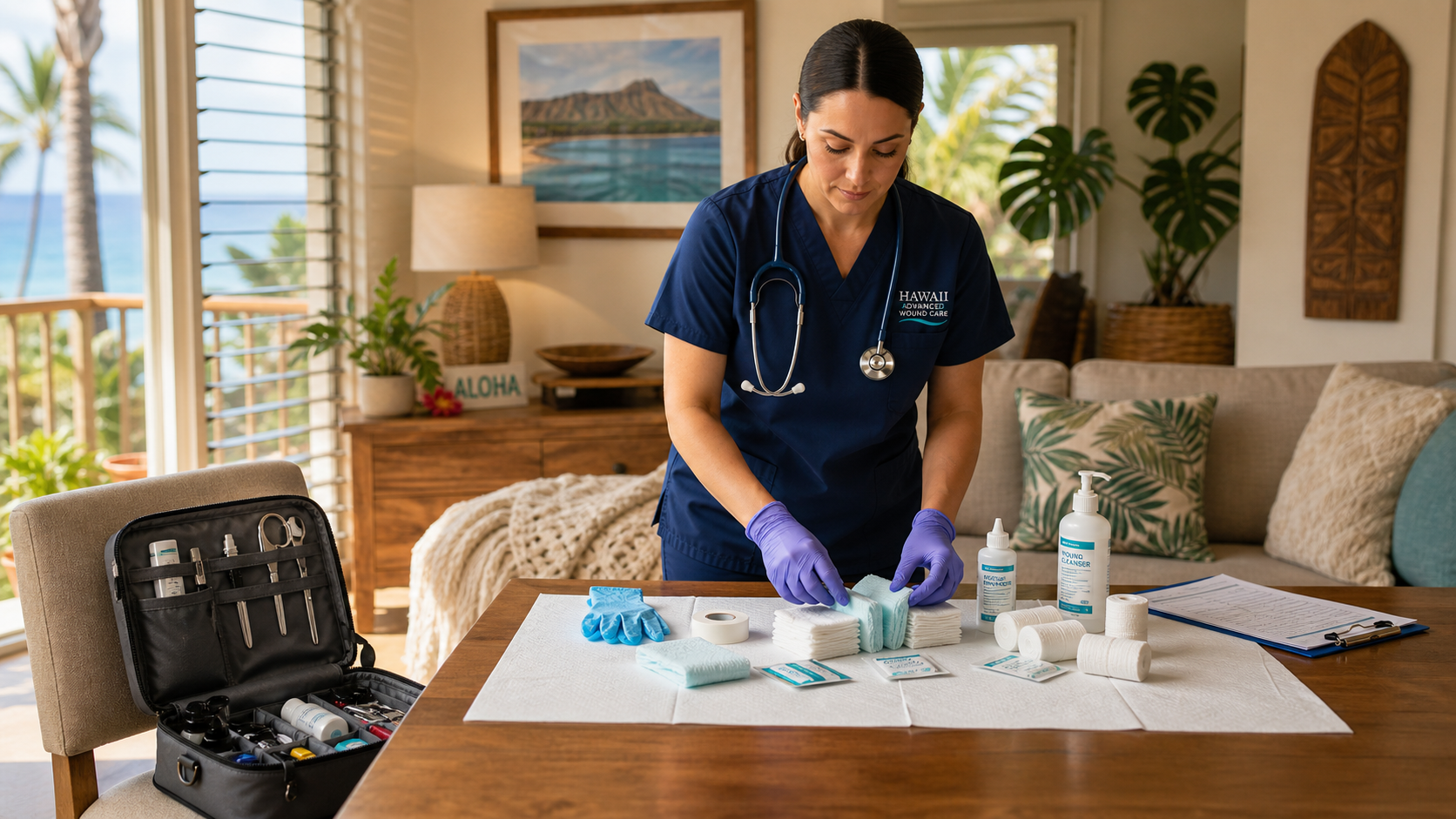
Mobile In-Home Wound Care with Hawaii Advanced Wound Care
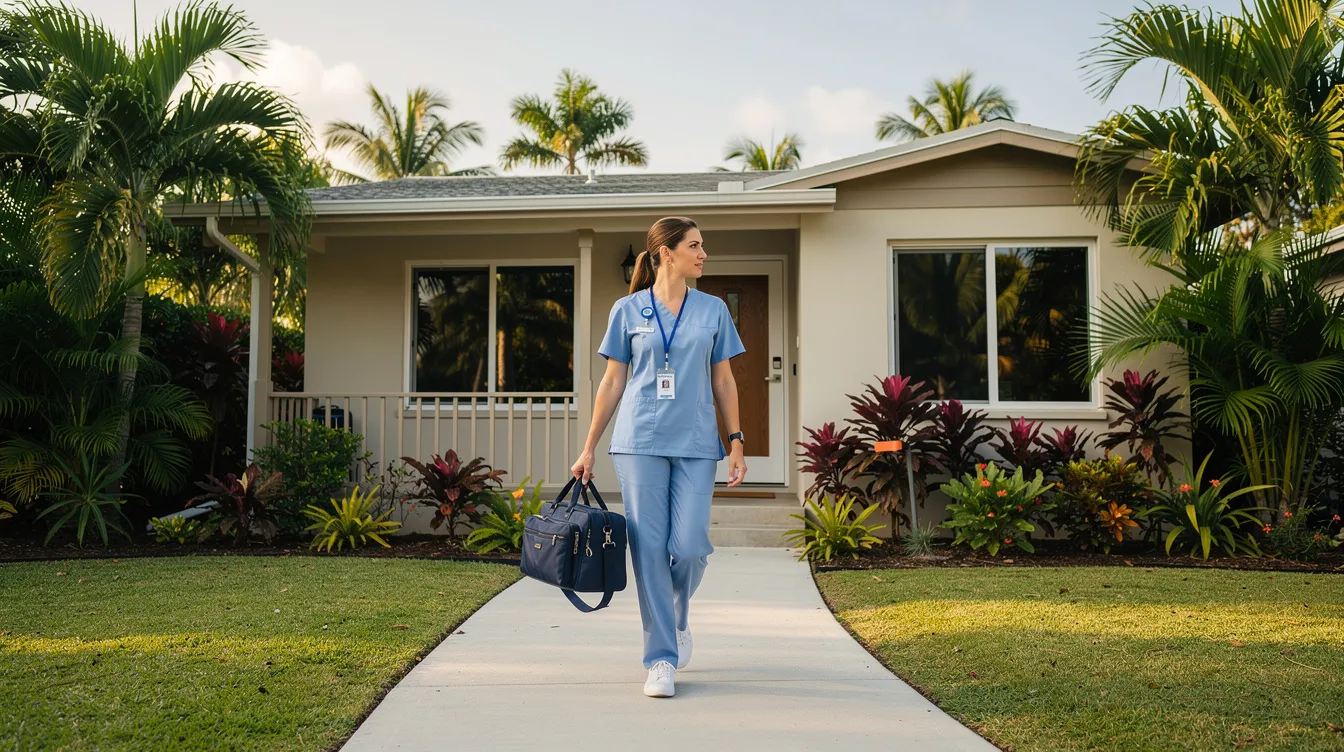
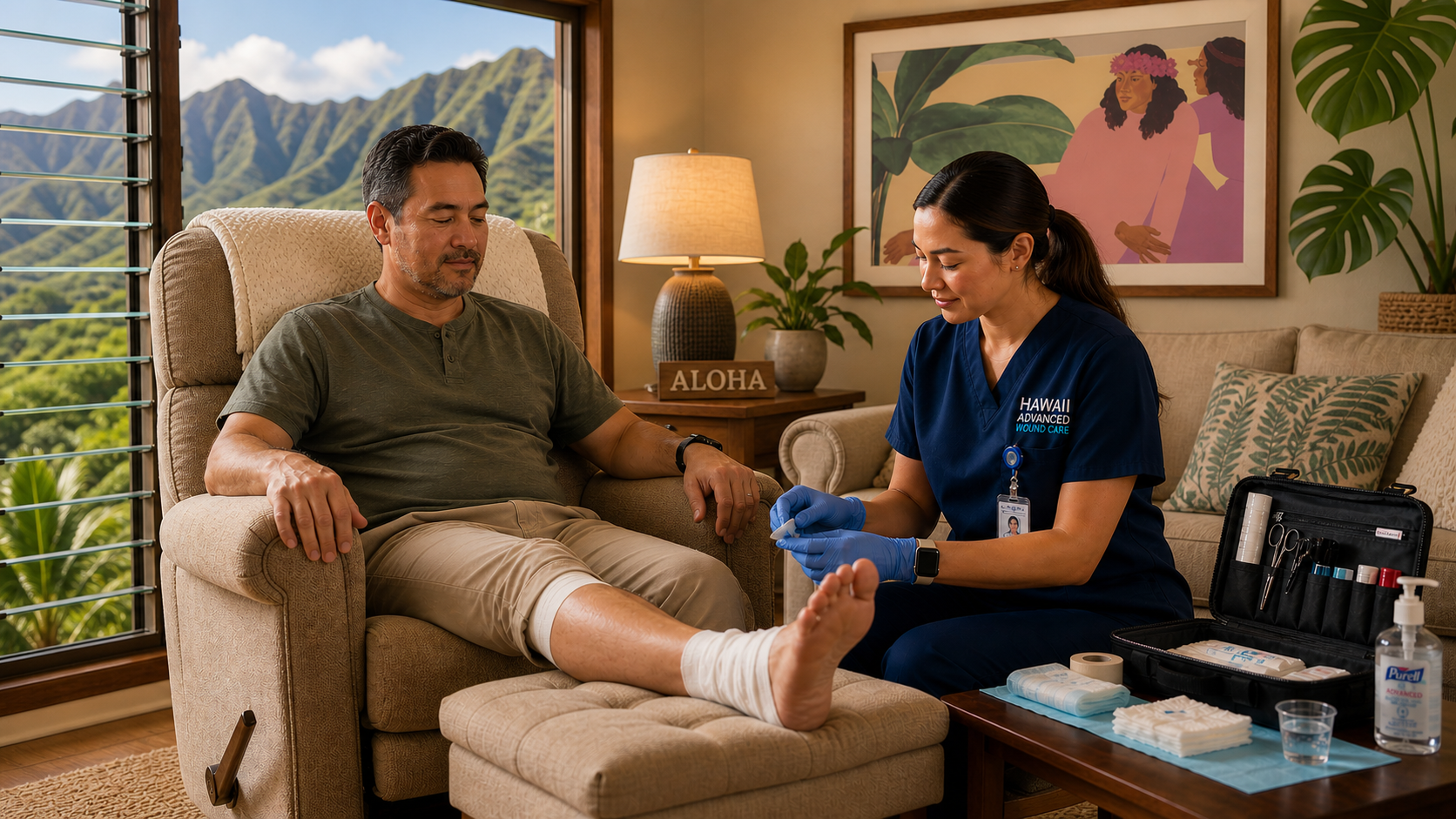
Receiving professional wound care shouldn’t require a stressful drive across town or over Saddle Road. A team of healthcare professionals collaborates to provide comprehensive in home wound care services, addressing both the wound and any underlying health issues, with nurses playing a key role in wound assessment, treatment planning, and ongoing care, often working closely with therapists to ensure coordinated support. For patients in Hilo and East Hawaii dealing with chronic wounds, diabetic wounds, or surgical wounds that won’t heal, Hawaii Advanced Wound Care brings a wound care nurse directly to your own home.
Key Takeaways
- Hawaii Advanced Wound Care dispatches a specialized registered nurse to homes in Hilo and nearby communities for chronic and non healing wounds
- In-home wound care can reduce ER visits and hospitalizations while improving outcomes in a familiar environment
- Patients, families, and physicians can call now to schedule a mobile visit, with same-week appointments when available
- Care is part of a comprehensive home health care approach, includes thorough assessment, development of a personalized wound care plan, and coordination with your doctor
- Additional home wound care services include ostomy care, post-surgical dressing management, and chronic disease education
What Is In-Home Wound Care?
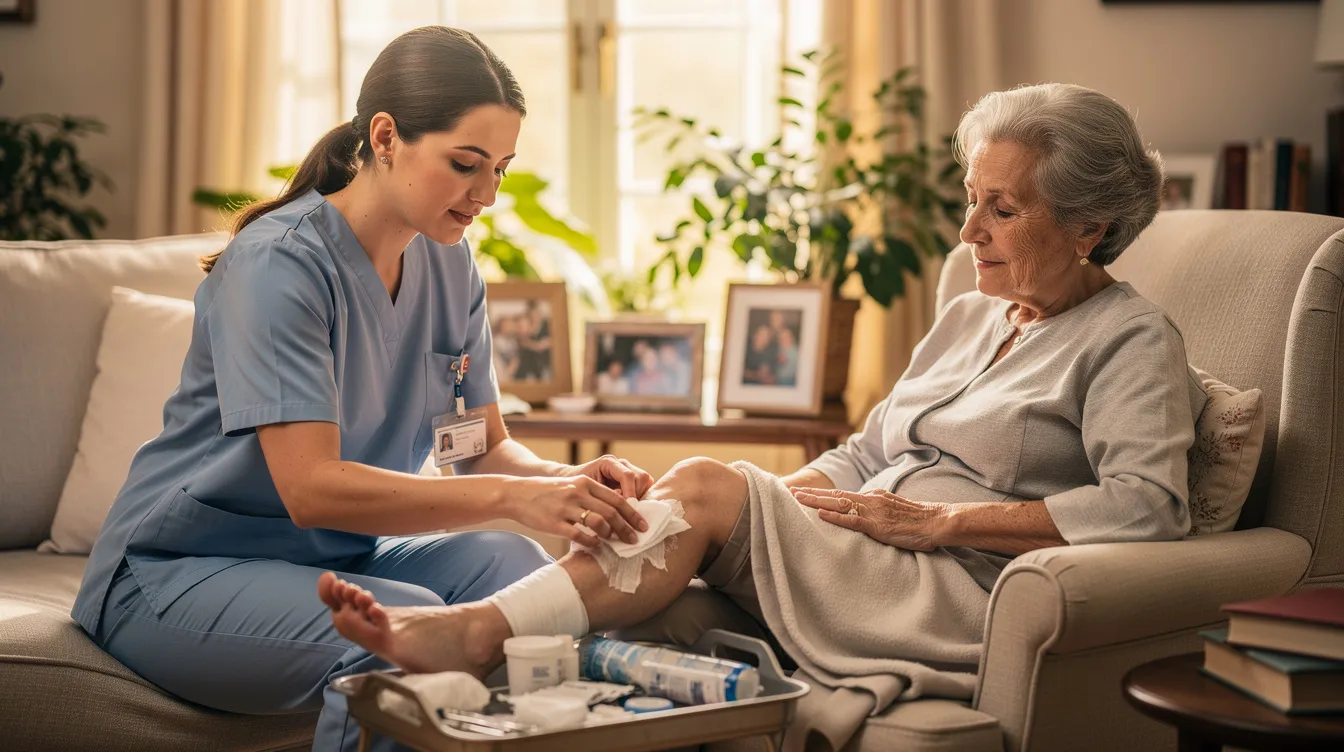
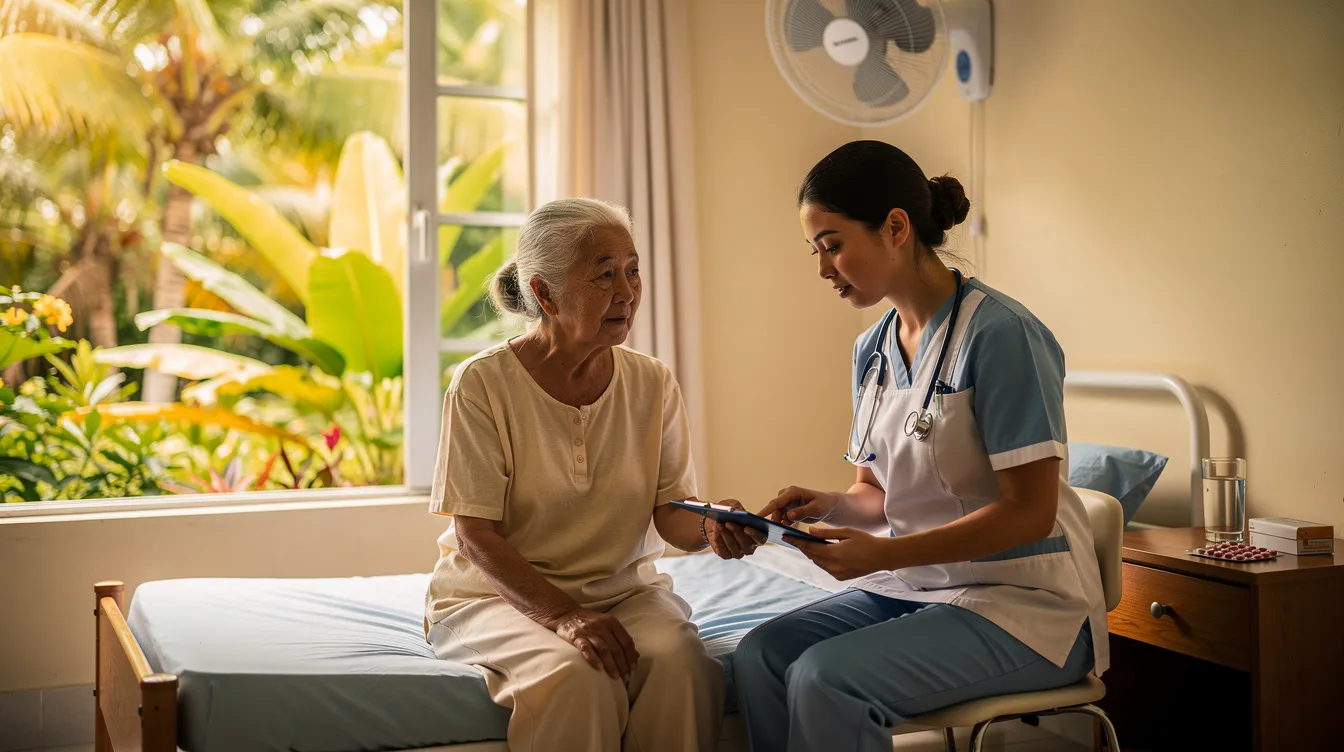
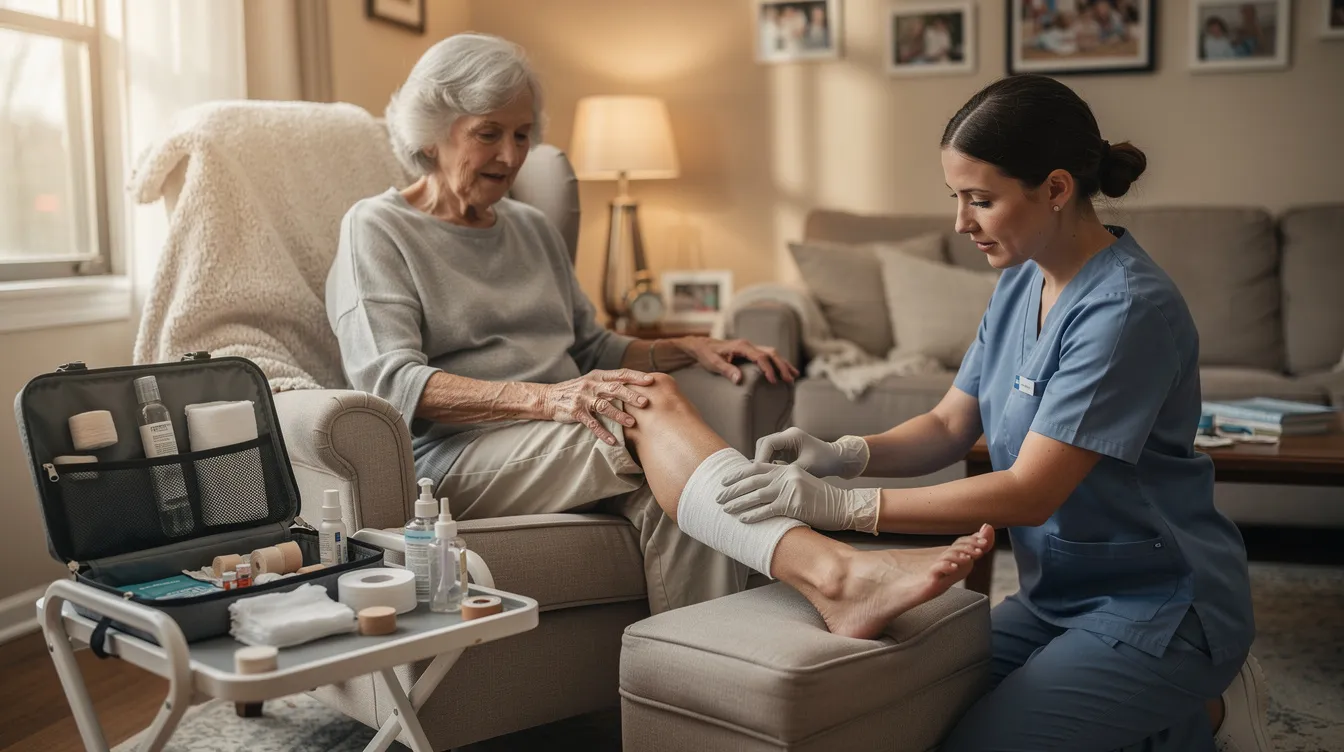
In-home wound care means a wound care specialist—a registered nurse trained in complex wounds—provides assessment, treatment, and ongoing management at your residence rather than a clinic. Wound care specialists are chosen for their advanced knowledge, training, and resources to effectively address complex wound care needs. The primary goal of home wound care is to provide timely and effective treatment to prevent complications and promote healing in a familiar environment.
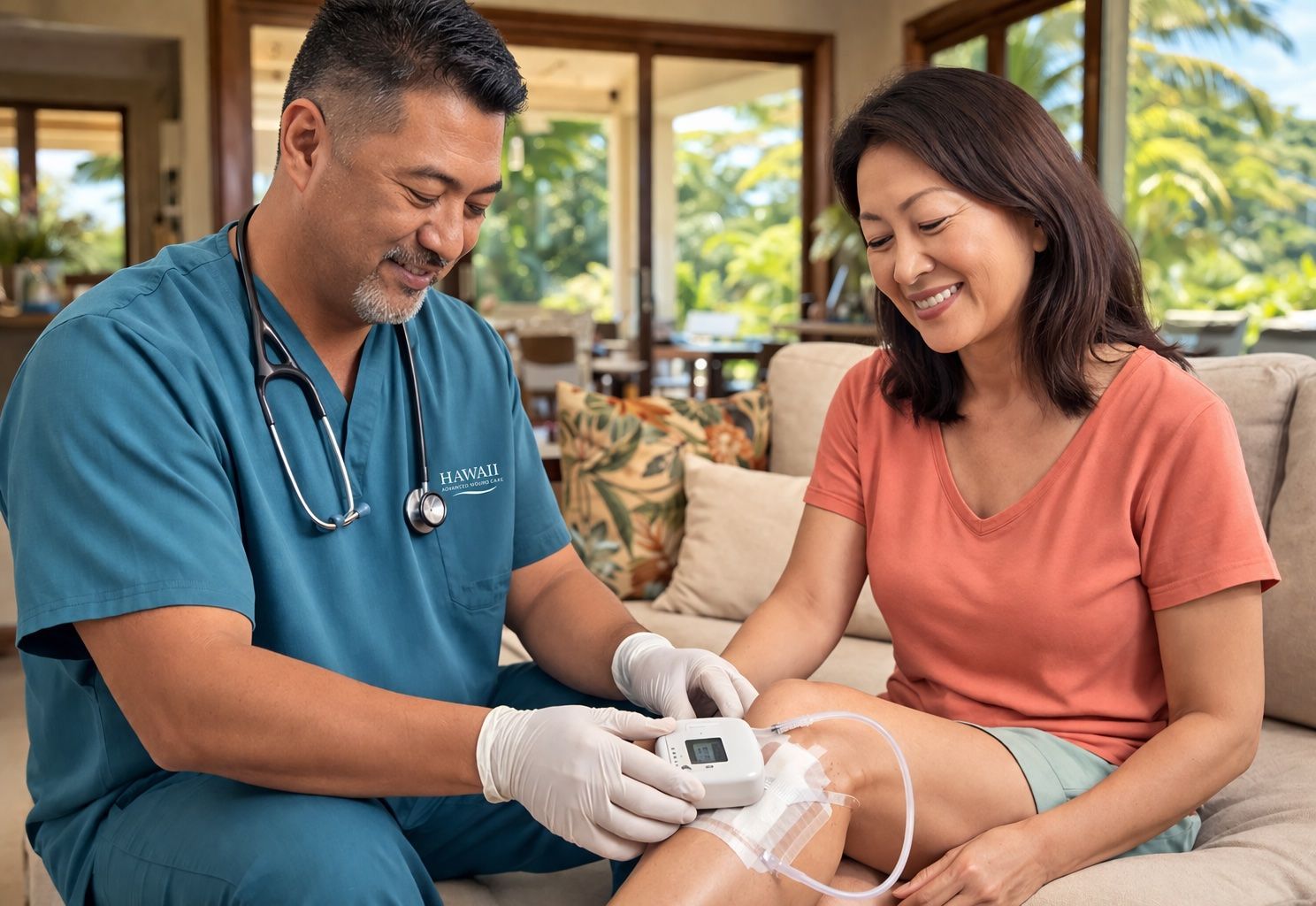
Services focus on wounds requiring more than basic first aid: diabetic foot ulcers, pressure injuries, venous stasis ulcers, and surgical wounds that have reopened. For complex or chronic wounds, advanced options such as negative pressure wound therapy may be used to promote healing and manage difficult wounds. Home health wound care is designed for patients with chronic and complex wounds, allowing them to receive treatment in the comfort of their own homes.
Visits are ordered by a physician, and your nurse keeps that doctor informed with notes, digital photography, and healing progress updates.
Who Can Benefit from In-Home Wound Care?
Millions of Americans live with chronic wounds each year. In East Hawaii, this often overlaps with diabetes, vascular disease, and limited transportation options.
Key patient groups include:
- Kupuna (older adults) with fragile tissue or pressure injuries
- People with diabetes and foot ulcers affecting blood flow
- Patients with poor circulation or venous insufficiency
- Individuals recovering from surgery
Eligibility for in-home wound care may also depend on the patient’s underlying health conditions, such as diabetes, circulation disorders, or limited mobility, which can complicate wound healing. Home wound care aims to educate patients and their caregivers on proper wound management to prevent infections and promote healing.
Family caregivers also benefit from hands-on teaching and access to a specialist who can answer questions between physician visits, making it easier to provide compassionate, personalized care for a loved one at home.
Why Professional In-Home Wound Care Matters
Unmanaged wounds can lead to serious complications—infections, hospital stays, even amputations. Professional care goes far beyond changing a bandage. Your healthcare team performs detailed assessment of wound size, depth, drainage, and surrounding skin while evaluating pain, mobility, and other factors.

Goals of home wound care include improving the quality of life for patients by allowing them to receive care in the comfort of their own homes, which can reduce stress and enhance recovery. In-home wound care offers a recovery environment that minimizes infection risk, reduces travel-related stress, and allows for personalized attention.
Studies show home care can reduce healthcare-acquired infections by 30-50% compared to clinic settings. A wound care nurse from Hawaii Advanced Wound Care can identify early signs of infection or circulation problems before they become emergencies, giving your doctor the best opportunity to adjust treatments quickly.
In-Home Wound Care Services from Hawaii Advanced Wound Care
Hawaii Advanced Wound Care is a mobile wound care clinic providing hospital-level treatment at home based in Hilo, bringing specialized care directly to homes across East Hawaii. In-home wound care services may include regular visits from healthcare professionals to assess, clean, treat, and dress wounds, as well as provide education on wound care management.
Hawaii Advanced Wound Care's expertise also extends to providing advanced wound management in skilled nursing facilities, delivering mobile wound care services directly to patients in those environments.
Core wound care services include:
| Service | Description |
|---|---|
| Initial Assessment | Comprehensive measurement, photography, wound staging |
| Cleansing & Debridement | Removal of dead tissue when appropriate |
| Advanced Dressings | Foam, alginates, silver dressings for moisture balance |
| Infection Monitoring | Early detection of complications |
| Wound types commonly treated include diabetic wounds, pressure injuries on heels and sacrum, venous and arterial leg ulcers, new wounds from falls, and post-surgical incisions. |
Our Holistic, Patient-Centered Approach
Hawaii Advanced Wound Care looks at the whole person—nutrition, medications, blood sugar control, circulation, and home safety. The nurse reviews your medical history, discusses diet including local foods, and offers practical suggestions to support healing.
This approach includes teaching on pressure relief, safe movement, and fall prevention strategies that can reduce complications and lead to better outcomes.
Clinical Expertise and Ongoing Training
Wound care professionals are trained to use evidence-based practices and advanced technologies to assess, treat, and monitor wounds effectively. A comprehensive wound care team may also involve physical therapists, occupational therapists, and social workers to address the patient’s overall health and recovery needs.
Your nurse follows current guidelines, uses standardized assessment tools, and maintains ongoing training. This expertise helps ensure dressings are chosen correctly, preventing common problems like maceration or skin stripping.
What to Expect During a Home Wound Care Visit
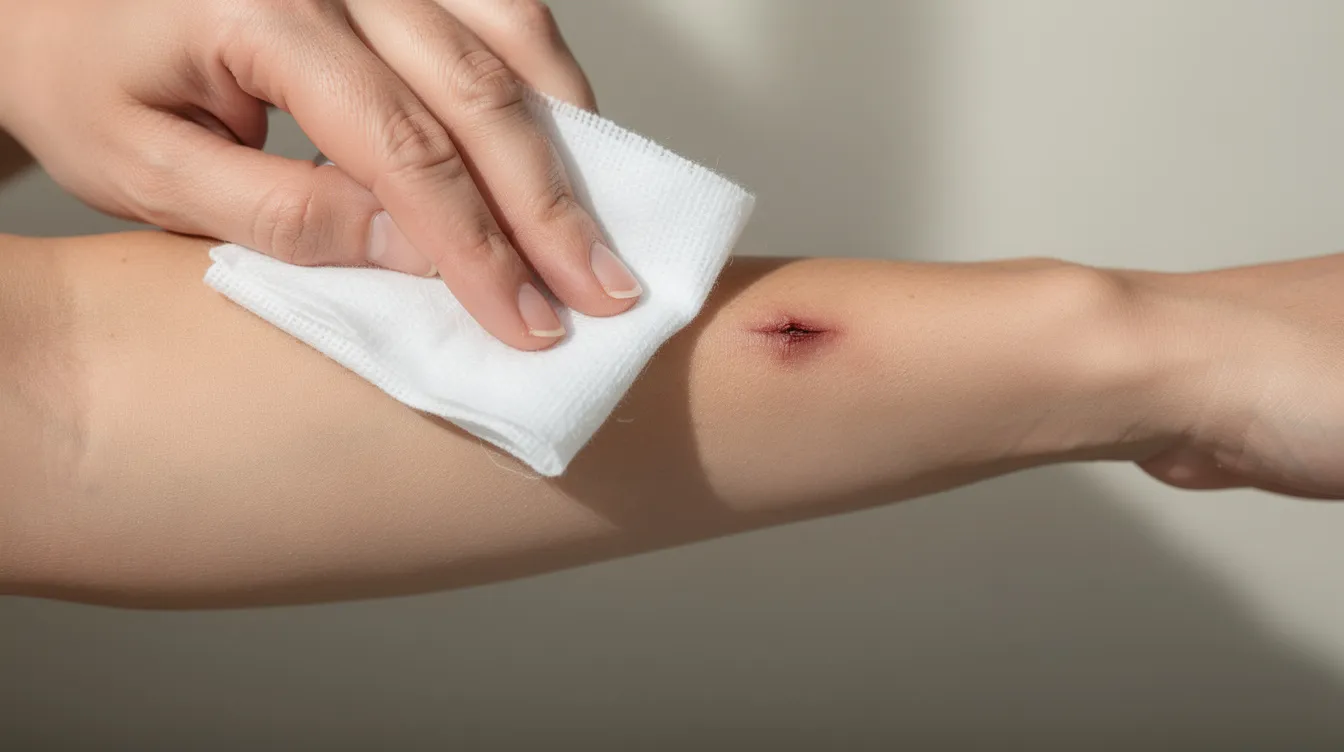
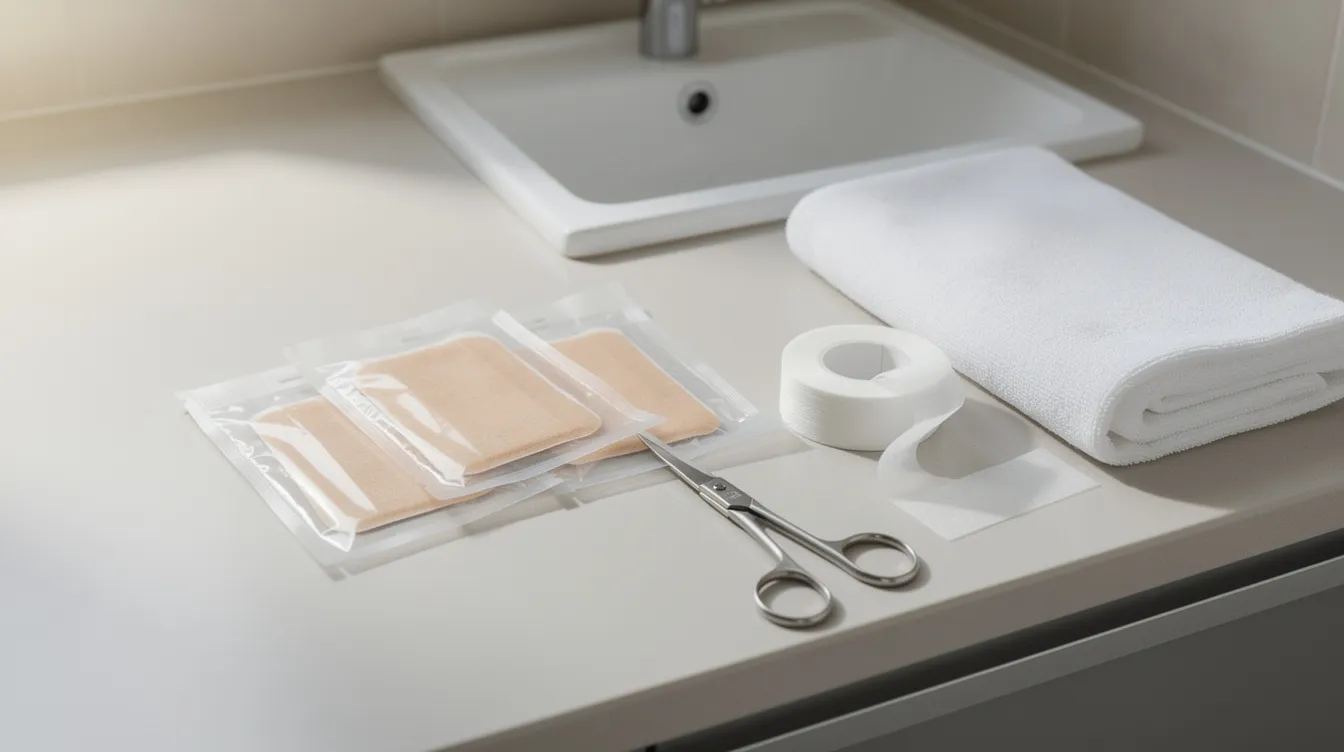
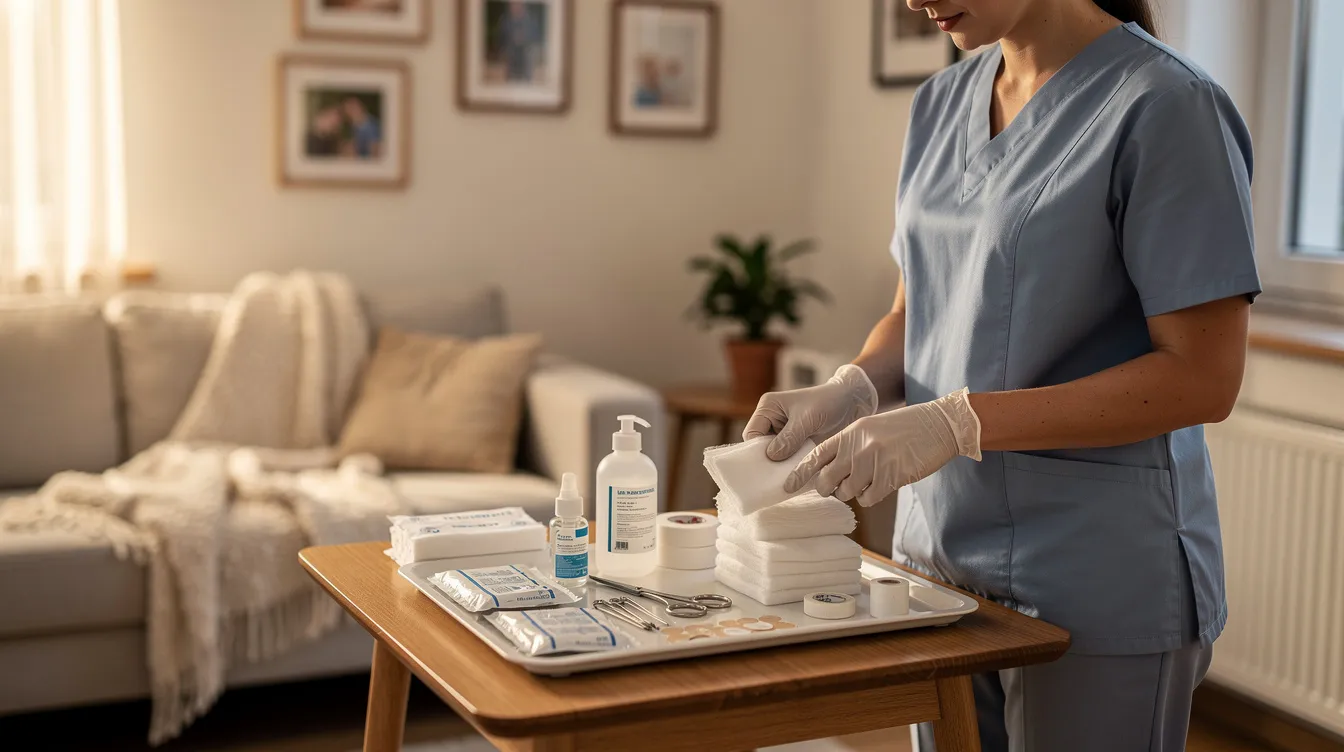
Visits are unhurried appointments where the nurse brings needed wound supplies and focuses solely on you. Wound care supplies include mild soap, clean running water or sterile saline, disposable gloves, and various types of dressings. Maintaining a stocked first aid kit is essential for responding quickly to injuries.
A typical first visit includes:
- Review of medical history and medications
- Complete wound assessment with measurements and photos
- Evaluation of pain using standardized scales
- Discussion of your recovery goals
- Gentle cleansing and application of appropriate dressings
- Education for patient and caregivers
- Scheduling follow-up and coordinating with your physician
Monitoring for signs of infection is crucial in wound care, including checking for increased redness, swelling, and unusual discharge.
Ongoing Visits and Follow-Up
Follow-up visits track healing through re-measurement and photo comparison. Visit frequency may start at one to two times weekly, then adjust based on wound severity and how comfortable caregivers become with interim care. Treatment plans adapt as wounds change—switching dressings, adding barriers, or recommending additional tests.
In-home recovery reduces psychological stress and the physical strain of traveling to appointments.
Other In-Home Services by Hawaii Advanced Wound Care
Beyond advanced wound care, Hawaii Advanced Wound Care offers complementary services:
- Ostomy and peristomal skin care coaching
- Post-surgical incision checks and dressing management
- Basic lymphedema-related skin protection strategies
- Diabetes foot care education
- Chronic disease education affecting wound healing
The nurse can help families understand doctor instructions, manage medications, and prepare questions before clinic appointments.
How to Get Started with In-Home Wound Care in Hilo
Starting care involves a phone call (808-289-7011) to Hawaii Advanced Wound Care, a brief screening, and coordination with your physician. Patients must meet specific eligibility criteria to qualify for at-home wound care services, which may include having chronic or complex wounds that require ongoing management.
The cost of in home wound care depends on what is covered by your insurance plan. Medicare, veterans benefits, and many private insurance policies typically cover skilled home health visits and durable medical equipment for wound care when prescribed by a doctor. However, 24-hour in-home care is not covered by Medicare or most insurance plans. Some services or supplies may require out-of-pocket payment if not covered. Home health care is often more affordable than extended hospital stays or repeated outpatient visits, especially when factoring in transportation and service fees.
Contact Hawaii Advanced Wound Care today to schedule a mobile wound care visit at home.

Frequently Asked Questions About Mobile In-Home Wound Care with Hawaii Advanced Wound Care
Do I need a doctor’s order to receive in-home wound care?
In most situations, a physician, nurse practitioner, or physician assistant should provide a formal order, especially if insurance will cover services. However, you can call Hawaii Advanced Wound Care first—the nurse can coordinate with your existing doctor or help connect you with a local provider.
What areas around Hilo do you serve?
Hawaii Advanced Wound Care serves Hilo town and nearby communities including parts of Keaʻau and Puna. Call to confirm availability for your specific location, as it may depend on distance and appointment demand.
How often will the nurse visit my home?
Visit frequency depends on wound type, drainage level, and caregiver comfort. Many patients start with one to two visits per week, gradually spacing visits as the wound improves and confidence grows.
Can you help me understand my wound supplies and equipment?
Yes. The nurse routinely helps sort through existing supplies, demonstrates proper use of dressings and skin barriers, and communicates with your physician or pharmacy if different supplies are needed.
What happens if my wound suddenly gets worse?
Contact a doctor if a wound does not show signs of healing after 7-10 days or if it exhibits signs of serious injury. Signs of infection include increased pain, unusual drainage, and systemic symptoms like fever. While Hawaii Advanced Wound Care provides specialized care at home, some situations require urgent evaluation at a clinic or emergency department. Early communication often prevents serious complications and may avoid hospital admission.