Food Heal: Using Healing Foods to Support Wound Recovery at Home in Hawaii
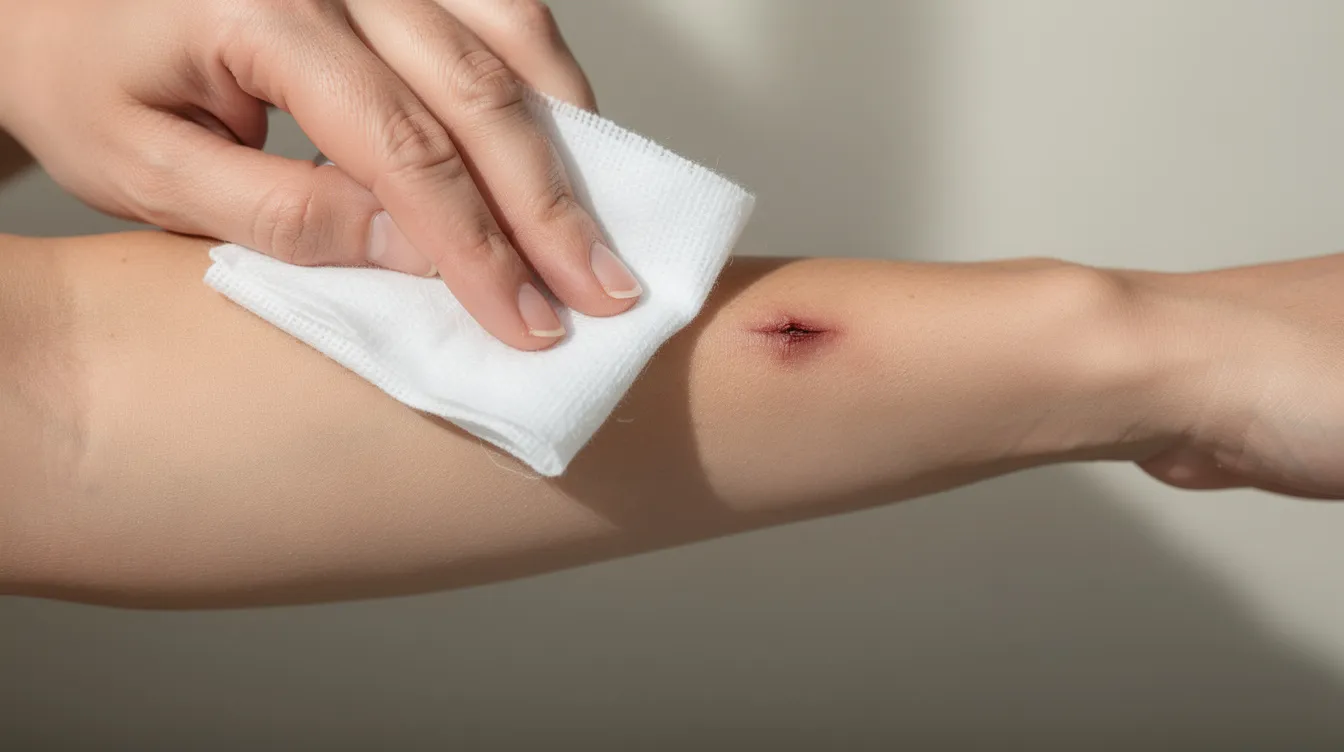
If you or someone you love is recovering from a wound on the Big Island, what you eat matters just as much as how you bandage it. The right combination of healing foods, professional wound treatment, and daily habits can make the difference between a wound that lingers for months and one that steadily closes. Here is everything you need to know about using food to support wound recovery at home in Hawaii.
Key Takeaways
- Specific healing foods rich in protein, vitamin C, zinc, healthy fats, and leafy greens can measurably speed wound healing. A nutrient-dense diet supports optimal health and accelerates healing, especially when you are recovering at home on the Big Island of Hawaii.
- "Food heal" means using nutrient dense foods and healthy fats to reduce inflammation, strengthen your immune system, and rebuild tissue alongside professional medical wound care. Diet plays a massive role in how the body repairs tissue.
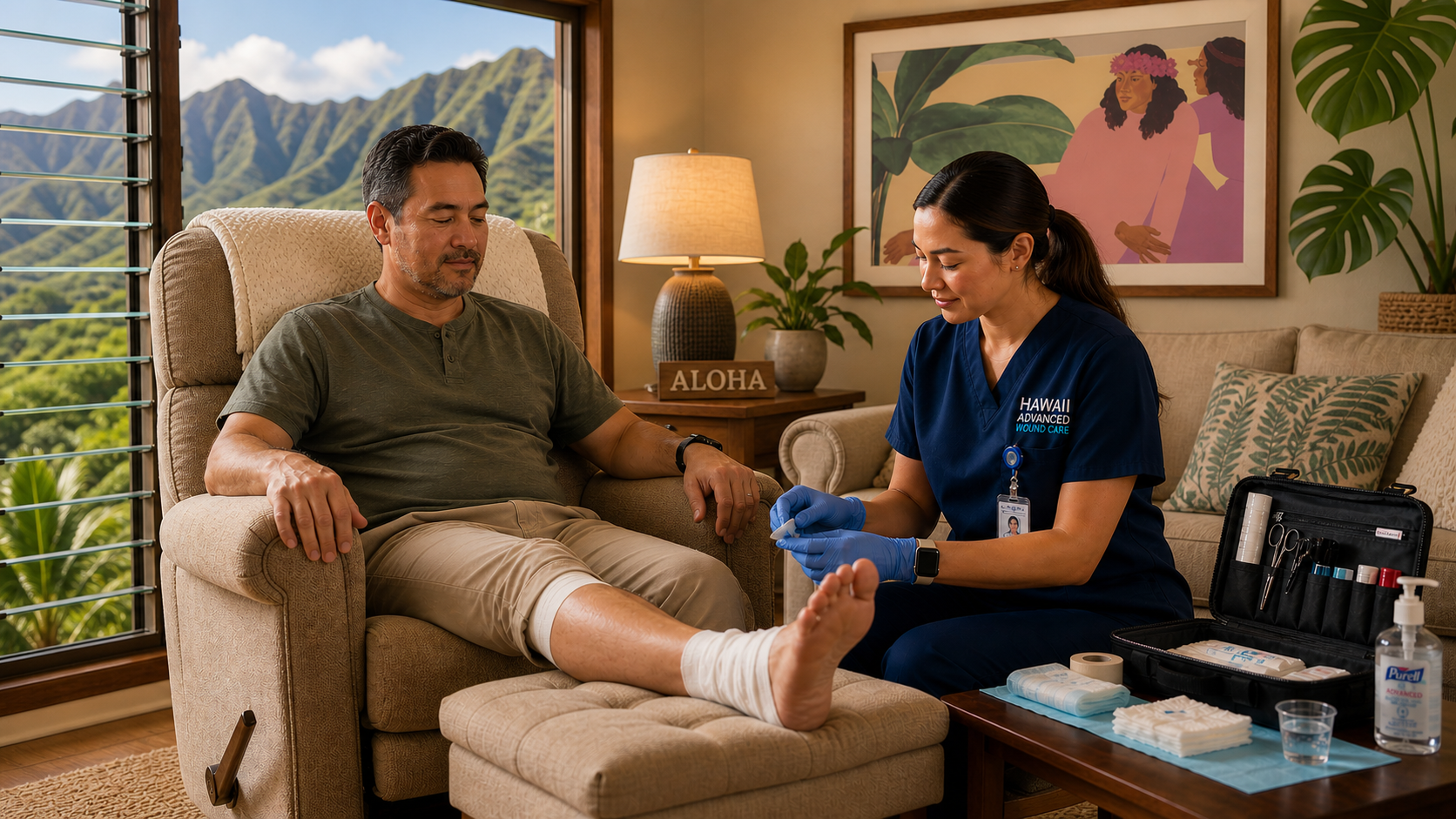
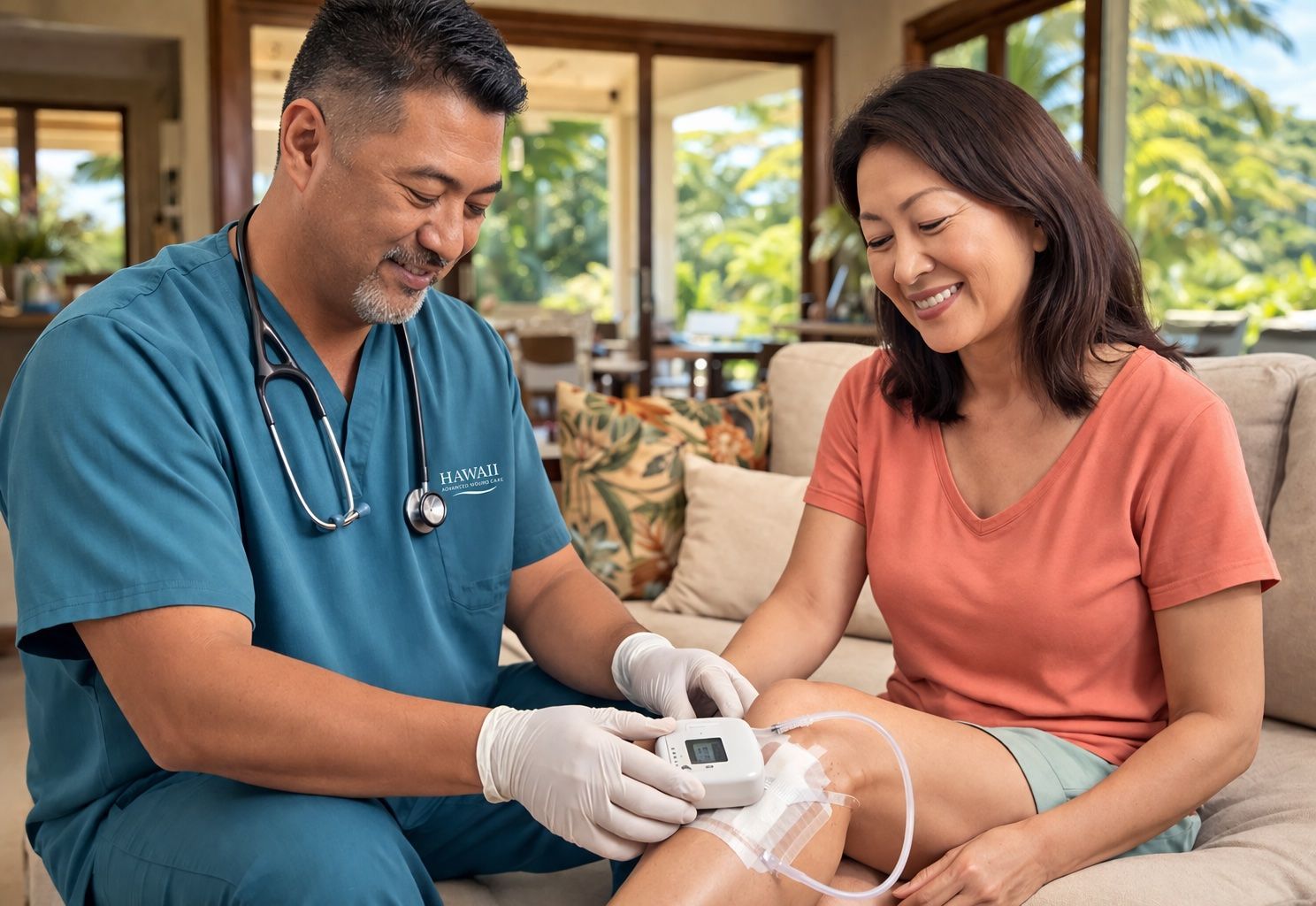
- Hawaii Advanced Wound Care provides mobile, in-home wound treatment across the Big Island and can personalize nutrition guidance for chronic and post-surgical wounds. They are currently the only mobile wound care clinic in the state.
- Key healing foods include salmon (omega-3s and selenium for immune support), leafy greens (vitamin C and antioxidants for collagen), berries (powerful antioxidants for tissue repair), bone broth (collagen and amino acids for connective tissue), and sweet potatoes (beta-carotene and complex carbs for cellular energy).
- Diet changes should complement, not replace, professional wound care. If your wound is slow to heal, call Hawaii Advanced Wound Care at (808) 258-1298 to schedule an in-home visit.
What Does "Food Heal" Mean for Wounds?
The phrase "food heal" captures a simple but powerful idea: using certain foods intentionally to give your body the raw materials it needs to repair damaged tissue, fight infection, and control inflammation during wound recovery. This is not folk wisdom or guesswork. Research consistently shows that specific nutrient-dense foods reduce inflammation and support immune function, directly influencing how fast and how well a wound closes.
Think of your body as a construction site. To rebuild skin, blood vessels, and connective tissue, it needs building blocks like protein, essential nutrients such as vitamin C and zinc, healthy fats, and enough energy from carbohydrates. Without these materials, healing stalls. For chronic wounds, diabetic ulcers, or pressure injuries, poor nutrition is one of the most common hidden causes of delayed healing, especially among older adults in Hawaii.
"Every bite either supports healing or slows it down."
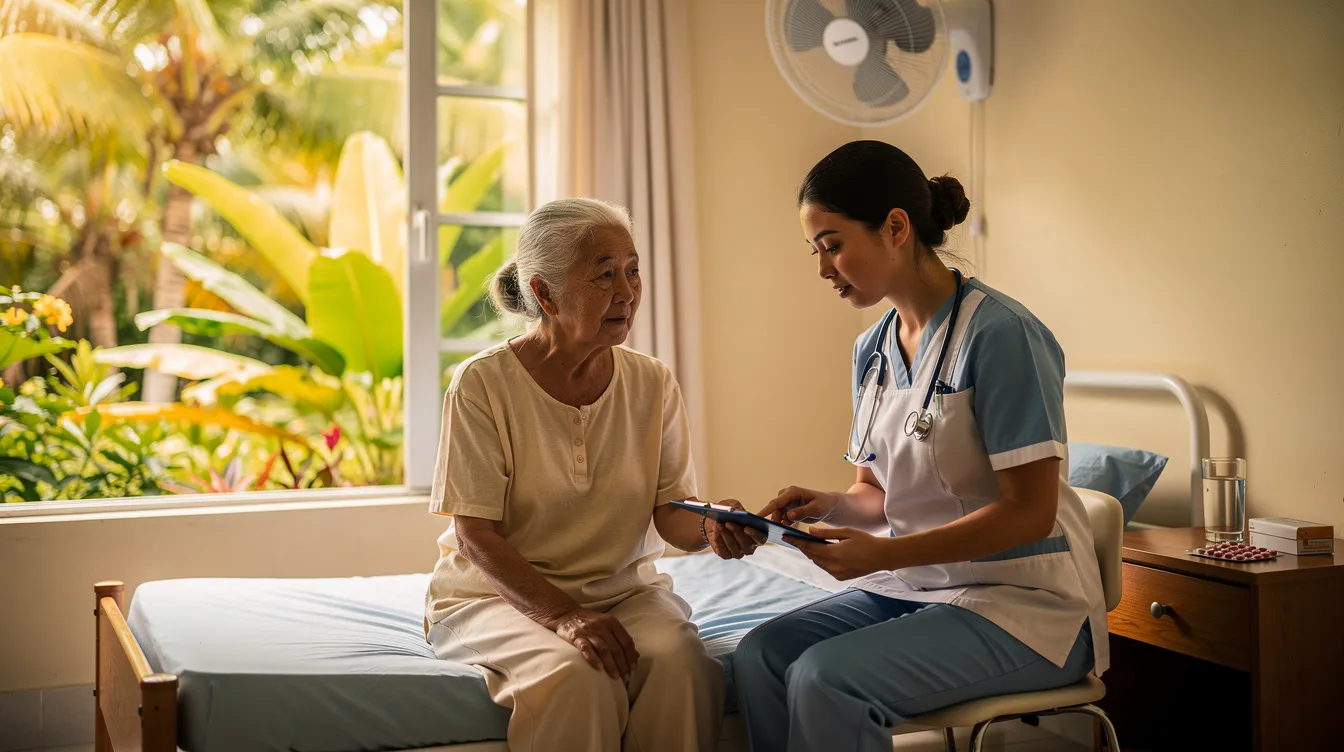
At Hawaii Advanced Wound Care, registered nurses routinely assess diet, hydration, and supplements during in-home visits because these factors directly affect wound outcomes. Their expert mobile wound care services in Hawaii bring hospital-level treatment into your home so nutrition guidance and wound care happen in the same visit. When your nurse walks through your kitchen, it is not a formality. It is part of the treatment plan.
The Science of How Food Heals Wounds
Wound healing occurs in three overlapping phases, and each one demands specific nutrients.
Inflammation (the first 48–72 hours): your body sends immune cells to clean up debris and fight bacteria. This phase requires adequate protein, zinc, and omega-3 fatty acids.
Proliferation (days to weeks): new tissue forms, collagen is deposited, and blood vessels grow into the wound bed. Vitamin C is essential for collagen production and wound healing. Zinc is crucial for cell growth and repair during healing. Protein intake should be 0.7–0.9 grams per pound post-surgery to fuel this phase.
Remodeling (weeks to months): collagen matures, the scar strengthens, and the wound reaches its final form. B vitamins, vitamin A, and continued protein intake support this long phase.
Carbohydrates provide energy necessary for wound healing at every stage. Without adequate fuel, your body may break down its own muscle for energy, further delaying recovery.
Here is a quick nutrient-to-food map using foods readily available in Hawaii:
| Nutrient | Role in Healing | Hawaii-Friendly Foods |
|---|---|---|
| Protein & amino acids | Builds new skin, immune cells, collagen | Local fish ('ahi, mahi mahi), eggs, tofu, beans |
| Vitamin C | Collagen production, immune defense, antioxidant | Papaya, guava, lilikoi, bell peppers |
| Zinc | Cell division, immune support, tissue repair | Oysters, shellfish, pumpkin seeds, beef |
| Healthy fats (omega-3) | Reduce inflammation, support cell membranes | Salmon, mackerel, macadamia nuts, avocado |
| Complex carbs + beta-carotene | Fuel for healing, vitamin A precursor | Sweet potatoes, taro, brown rice, oats |
Within the first 72 hours after surgery, your protein and vitamin C needs rise sharply. People with diabetes, kidney disease, or older age often have even higher nutrient demands and benefit from personalized guidance from a wound care nurse. A systematic review published in the National Library of Medicine confirmed that vitamins A, B, C, D, E plus zinc and trace minerals significantly improve healing outcomes across wound types.
Nutrient Dense Foods: Building a Healing Plate
Nutrient dense foods pack vitamins, minerals, antioxidants, and quality protein into relatively few calories. For wound recovery, this means choosing foods that deliver maximum healing value with every meal.
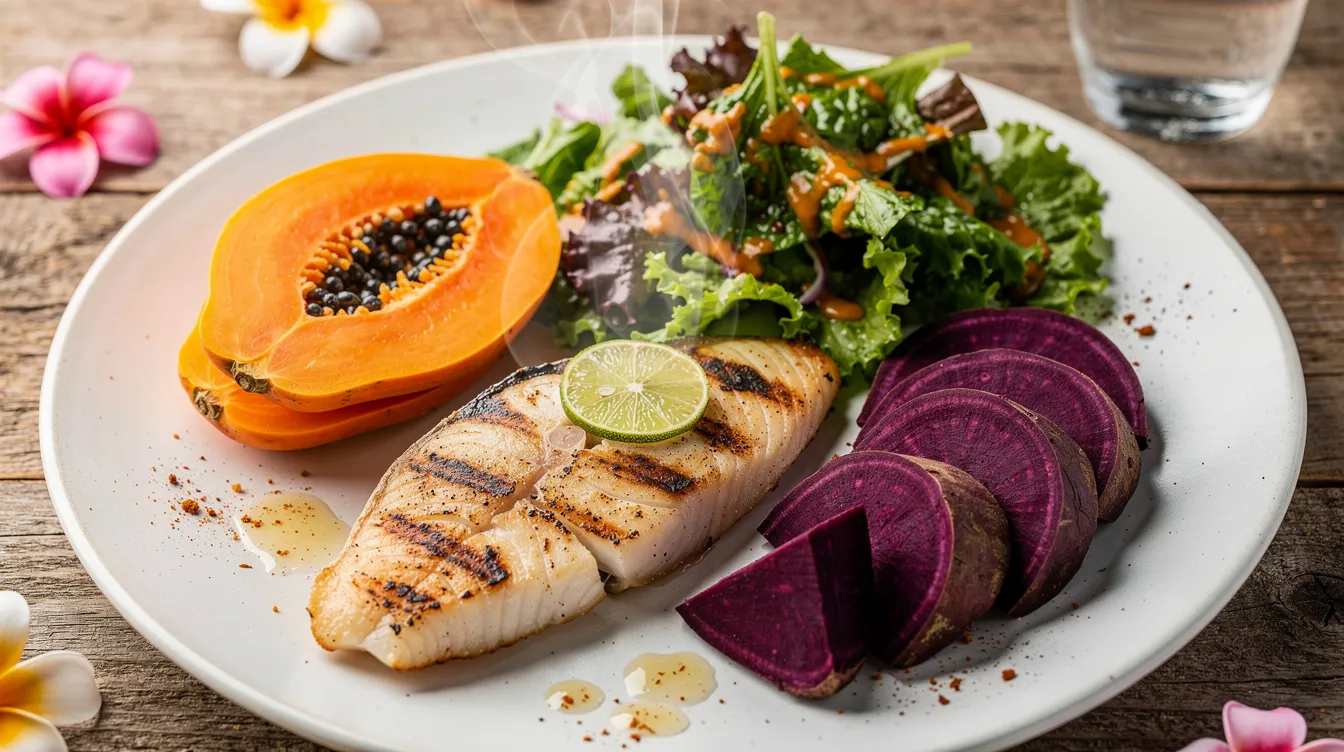
A simple way to visualize a healing plate:
- Half the plate: colorful vegetables, including leafy greens and cruciferous vegetables
- One quarter: high-quality protein like local fish, eggs, or tofu
- One quarter: complex carbs such as sweet potatoes, taro, or brown rice
- A small side: healthy fats from avocado, nuts, or olive oil
Colorful plant foods provide a wide range of protective plant compounds that support cellular repair and immune defense. Here are nutrient dense foods readily available on the Big Island:
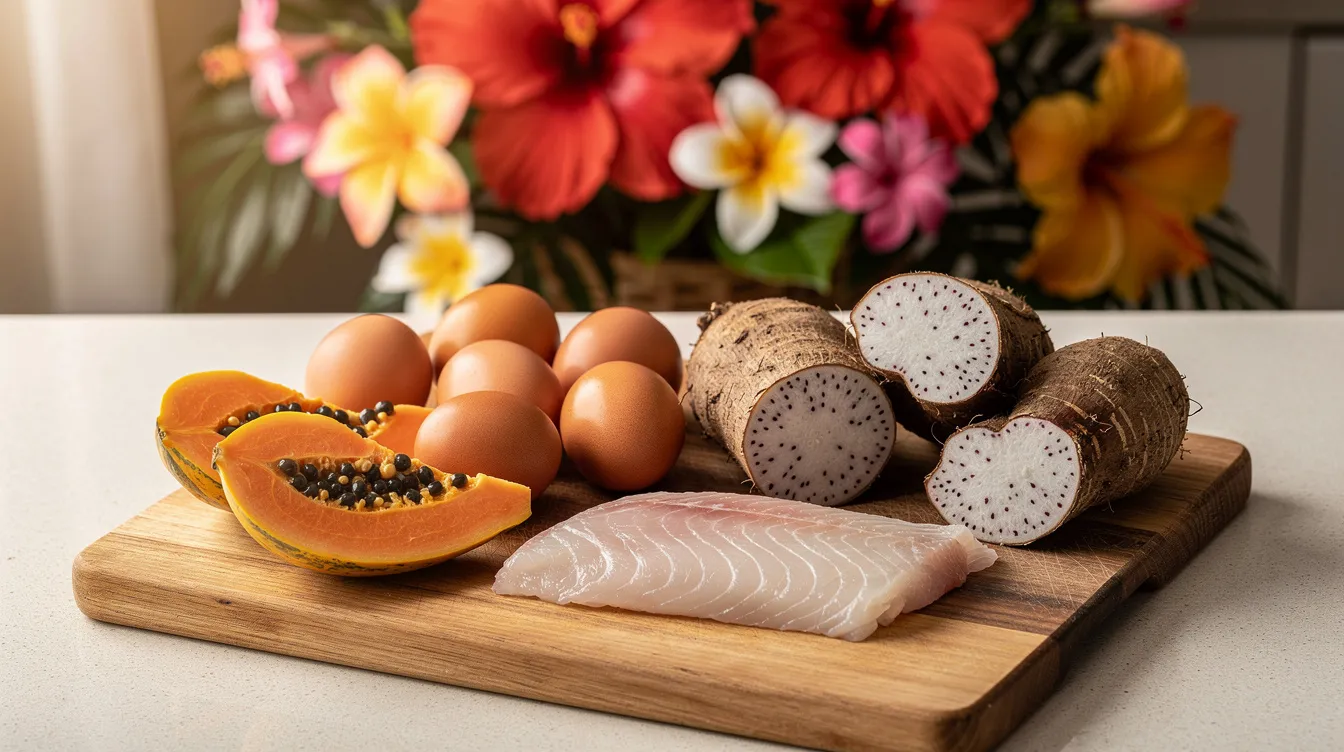
- Local fish ('ahi, mahi mahi, opah): complete protein, B vitamins, omega-3s
- Eggs: protein, choline, vitamin A, vitamin D
- Papaya and guava: among the highest vitamin C fruits grown anywhere
- Taro (kalo) and cooked taro leaves (lu'au): iron, calcium, vitamins A and C
- Kale and Okinawan sweet potatoes: beta-carotene, fiber, antioxidants
- Macadamia nuts: healthy monounsaturated fats, manganese
Aim for nutrient dense foods at every meal, especially breakfast and lunch when energy and repair demands are highest. Hawaii Advanced Wound Care nurses can review food logs or pantry contents during a home visit and suggest simple swaps, like choosing frozen local fish instead of canned meats loaded with sodium.
Protein: The Cornerstone Nutrient for Tissue Repair
Protein provides the amino acid building blocks your body uses to construct new skin, synthesize collagen, and produce immune cells. It is the single most critical macronutrient for wound healing. Every phase of repair, from inflammation control to scar formation, depends on having enough protein available.
Protein intake should be 0.7–0.9 grams per pound after surgery or during chronic wound management. For a 150-pound adult, that translates to roughly 105–135 grams of protein per day. International pressure ulcer guidelines recommend at least 1.25–1.5 grams per kilogram of body weight daily for people with chronic wounds.
High-protein foods to prioritize:
- Eggs (6 grams per egg)
- Greek yogurt or cottage cheese (12–15 grams per serving)
- Tofu and tempeh as plant based protein options (10–20 grams per serving)
- Chicken and turkey (25–30 grams per 4 ounces)
- Local fish like mahi mahi and 'ahi (25+ grams per 4 ounces)
- Beans and lentils (15 grams per cooked cup)
Practical meal ideas for Hawaii:
- Breakfast egg and spinach scramble with a side of papaya
- Miso soup with tofu, seaweed, and local greens
- Grilled mahi mahi with steamed broccoli and sweet potatoes
- Chicken bone broth simmered with vegetables and ginger
Bone broth is rich in collagen and amino acids that are essential for repairing connective tissue, making it a smart addition for anyone struggling to meet protein targets.
Hawaii Advanced Wound Care can coordinate with your primary care provider or a dietitian if kidney or liver disease limits how much protein you can safely eat, while also providing advanced mobile wound care across Hawaii to manage complex or high-risk wounds at home.
Healthy Fats: Reducing Inflammation and Absorbing Nutrients
Healthy fats help manage inflammation and support overall recovery in ways that go beyond just calories. They are necessary for absorbing fat-soluble vitamins like vitamin A, D, E, and K, all of which are vital for skin integrity and immune health. They also form the membranes of every new cell your body creates during healing.
Not all fats are equal. Here is the difference:
- Choose: olive oil, avocado, nuts, seeds, fatty fish
- Avoid: trans fats, deep-fried foods, heavily processed snacks
Fatty fish supply omega-3 fatty acids that support heart health and reduce inflammation. Omega-3s help resolve the inflammatory phase of wound healing, improving circulation to the wound area and reducing swelling. Nuts and seeds are excellent sources of healthy fats, vitamin E, and zinc, making them ideal snacks during recovery.
Quick serving suggestions:
- Drizzle olive oil on leafy greens and roasted vegetables
- Add avocado slices to sandwiches or rice bowls
- Sprinkle chia or flaxseeds on oatmeal or yogurt
- Choose baked or grilled fish instead of fried plate lunches
Trans fats and fried foods increase inflammation and should be avoided during wound recovery. Very high-fat keto-style diets may not be appropriate for everyone with wounds, especially if appetite is already low. Discuss your fat choices with a Hawaii Advanced Wound Care nurse during your next home visit.
Leafy Greens and Cruciferous Vegetables: Vitamin C and Detox Support
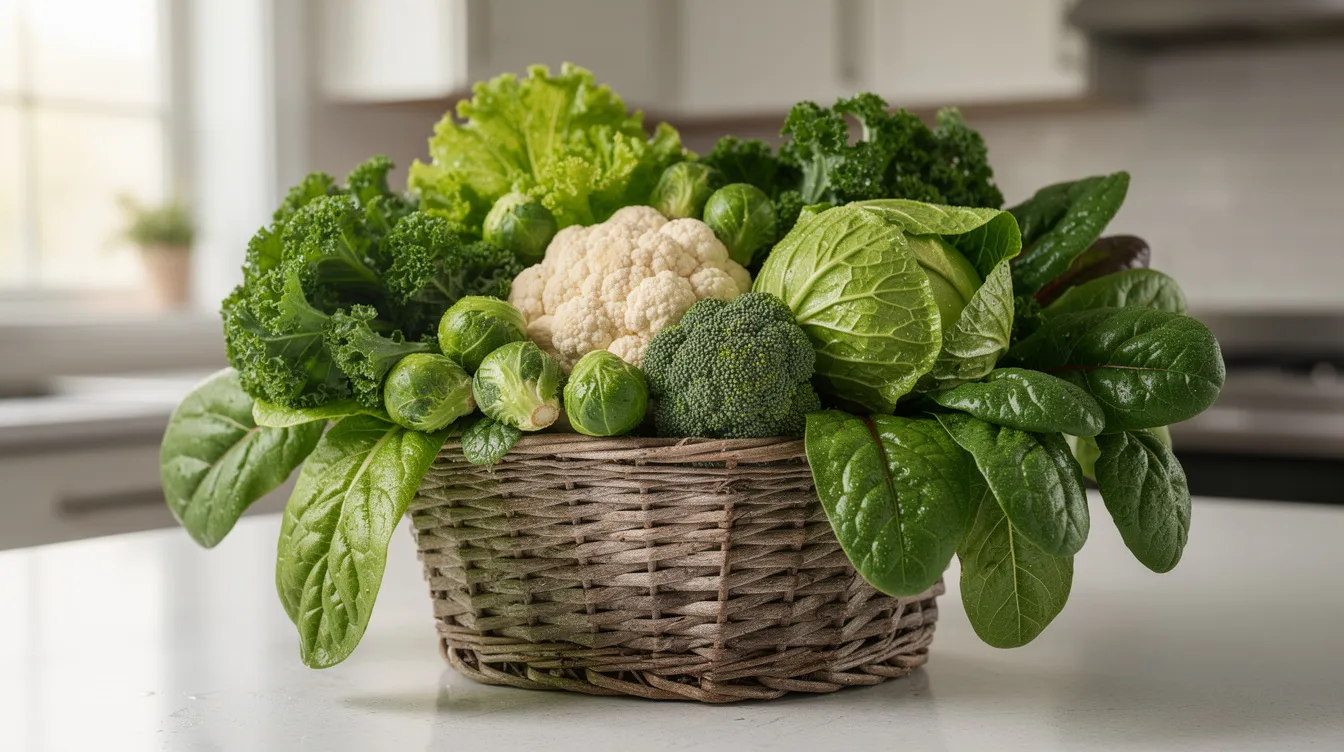
Leafy greens and cruciferous vegetables are among the best foods for wound recovery. Kale, spinach, lu'au leaves (properly cooked taro greens), and Swiss chard deliver concentrated doses of vitamin C, folate, vitamin K, and phytonutrients that directly assist tissue repair. Leafy greens enhance immune function and improve wound healing through multiple mechanisms.
Leafy greens contain vitamin C and antioxidants that lower inflammation, helping your body manage the immune response without excessive swelling or tissue damage. Cruciferous vegetables like broccoli, cauliflower, Brussels sprouts, and cabbage add sulforaphane and other compounds that support liver detoxification pathways. This matters during healing because your body processes medications and metabolic waste more efficiently.
Research from the University of Hawaii's College of Tropical Agriculture shows that locally grown Hawaiian vegetables often have higher vitamin content than imported produce because of shorter transport times. Leafy greens are rich in nutrients that enhance immune function, and eating them fresh from local farms maximizes their healing value.
Hawaii-appropriate serving ideas:
- Kale salad with sesame dressing and macadamia nuts
- Sautéed taro leaves (cooked thoroughly to reduce oxalates) with garlic
- Steamed broccoli with ginger and soy
- Cabbage stir-fry with local pork and brown rice
Aim for at least two servings of leafy greens or cruciferous vegetables per day. A home-visit nurse from Hawaii Advanced Wound Care can help plan simple recipes based on what is affordable and available on the Big Island.
Berries, Citrus, and Other Vitamin C–Rich Foods
Vitamin C is one of the most important micronutrients for wound healing. It drives collagen production, neutralizes free radicals, and supports immune defense at every stage of repair. Vitamin C is essential for collagen production in wound healing, which is why deficiency can lead to weak, fragile tissue that breaks down easily.
Berries are rich in vitamin C, promoting collagen production and providing concentrated antioxidant support. Berries are high in antioxidants that combat oxidative stress, which is particularly damaging around wound sites.
Practical vitamin C sources in Hawaii:
- Papaya (one cup exceeds daily vitamin C needs)
- Guava and lilikoi (passion fruit)
- Oranges and tangerines
- Strawberries, blueberries, and blackberries
- Bell peppers and broccoli
Needs may be higher for people with large or infected wounds. Simple snack ideas: papaya with lime at breakfast, a small bowl of mixed berries, sliced bell peppers with hummus, or citrus fruit with afternoon herbal teas.
Hawaii Advanced Wound Care may recommend vitamin C supplements in specific cases, but prefers a "food first" approach whenever possible. Whole fruits deliver fiber, water, and additional phytonutrients that supplements cannot replicate.
Gut Health, Green Tea, and the Immune System
Your gut is home to roughly 70% of your immune system, which means gut health directly influences how well your body fights infection and closes wounds. A disrupted microbiome can increase inflammation, reduce nutrient absorption, and weaken immune defenses during recovery from various conditions.
Fermented foods introduce probiotics that support gut health and immune function. Include small regular servings of yogurt with live cultures, kefir, kimchi, sauerkraut, miso, or natto to promote healing and diversify your gut bacteria. Fiber from vegetables, oats, and whole grains feeds beneficial microbes and supports digestion.
Green tea deserves special attention as a healing beverage. It is rich in catechin antioxidants that may supports heart health, mildly reduce inflammation, and support brain health through L-theanine, an amino acid that promotes calm focus. For more ideas on daily habits that protect wounds at home, explore Hawaii Advanced Wound Care's blog of expert wound care tips and in-home healing guidance. Swapping one sugary drink per day for green tea is a good rule to follow during recovery.
Simple daily routines:
- Drink 1–2 cups of green tea instead of soda or sweetened coffee
- Add a spoonful of miso to warm (not boiling) water for a light probiotic soup
- Include small amounts of kimchi with rice-based meals
- Choose yogurt with live cultures as a snack
Some probiotic supplements or herbal teas may interact with medications. Ask your Hawaii Advanced Wound Care nurse before starting new products, especially if you take blood thinners or antibiotics.
Bone Broth and Collagen-Supporting Foods
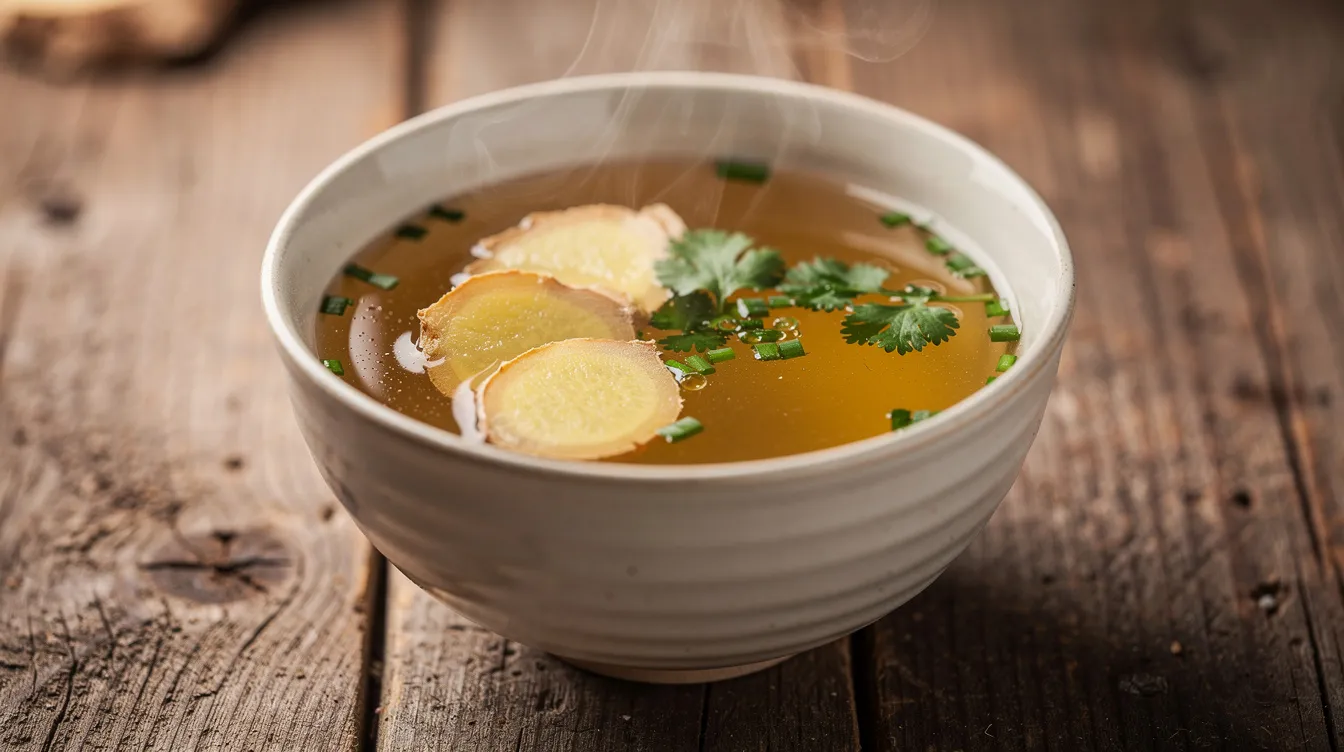
Bone broth made from chicken, beef, or fish bones simmered for many hours provides collagen, gelatin, amino acids like glycine and proline, and minerals that support joint, skin, and gut health. It is one of the oldest forms of natural medicine for recovery, and modern research backs its value. A clinical trial on burn patients found that supplemental hydrolyzed collagen improved healing rates and increased early markers of nutritional recovery.
For patients with poor appetite or chewing difficulties, bone broth is especially useful because it is easy to sip throughout the day. Enrich it with vegetables and anti inflammatory herbs like turmeric and ginger. Turmeric contains curcumin, known for its anti-inflammatory properties and widely used in traditional medicine across cultures.
Tips for making or sourcing bone broth in Hawaii:
- Use leftover fish frames from local markets or chicken bones from home-cooked meals
- Simmer bones with water, a splash of vinegar, garlic, and ginger for 12–24 hours
- Purchase ready-made low-sodium broth and enhance it with fresh vegetables and herbs
- Store in portions and reheat as a warm drink between meals
Other collagen-supporting foods include eggs (for sulfur-containing amino acids), citrus fruits (for vitamin C needed to synthesize collagen), and organ meats (for copper and vitamin A). Hawaii Advanced Wound Care nurses may recommend bone broth as part of a "healing liquids" plan for patients recovering from surgery, burn treatment, or who struggle to meet protein targets, especially when they are also receiving expert mobile wound care in Hawaii for burns, ulcers, and other injuries.
Organ Meats and Shellfish: Powerful but Often Overlooked Healing Foods
Organ meats like liver, heart, and kidney are some of the most nutrient dense foods available. A single serving of beef liver delivers substantial vitamin A, B vitamins, iron, zinc, and copper, all critical for immune function, collagen production, and cellular repair. These nutrients work together as building blocks that no single supplement can fully replicate.
You do not need large amounts. Small weekly portions of 2–4 ounces of beef or chicken liver once or twice a week can significantly boost micronutrient intake. In Hawaii, where fresh seafood is part of daily life, organ meats may be less familiar, but they are worth incorporating even occasionally.
Shellfish are equally impressive. Just 6 medium oysters provide over 300% of the Daily Value for zinc, making them one of the most efficient ways to support cell growth and repair. Salmon provides over 70% of daily selenium needs in 3 ounces, adding another layer of immune and antioxidant support. Mussels and clams also deliver concentrated zinc, iron, and B vitamins.
Caution: people with gout, shellfish allergies, or certain medication interactions should consult with their health care provider or Hawaii Advanced Wound Care nurse before increasing shellfish or organ meat intake.
Preparation ideas:
- Liver sautéed with onions and leafy greens
- Miso clams with garlic over rice
- Steamed mussels with tomatoes, herbs, and a squeeze of lemon
Sweet Potatoes and Healing Carbohydrates
Carbohydrates are not the enemy during wound recovery. They provide the primary fuel your body uses to power the energy-intensive process of healing. Without adequate carbohydrate energy, your body may catabolize protein stores, undermining tissue repair even if you are eating enough protein.
The key is choosing complex carbohydrates over refined sugars and white flour products:
- Sweet potatoes and Okinawan purple sweet potatoes: vitamin C, beta-carotene (a vitamin A precursor), manganese, and fiber
- Brown rice: steady energy, B vitamins, magnesium
- Taro (kalo): culturally significant, rich in fiber and potassium
- Oats: soluble fiber that supports digestion and steady blood sugar
Sweet potatoes are standout healing foods for immune support and tissue repair. Their deep orange or purple flesh signals high concentrations of antioxidants that protect new cells from oxidative damage.
Serving ideas:
- Baked sweet potato with olive oil and sea salt
- Mashed Okinawan sweet potatoes with coconut milk
- Purple sweet potato salad with greens and sesame dressing
- Sweet potato paired with salmon and steamed broccoli
Low-carb diets can slow wound healing and recovery, particularly for people managing chronic or surgical wounds or non-healing chronic wounds like diabetic foot ulcers and pressure sores. Individuals with diabetes should work with their clinician and Hawaii Advanced Wound Care to balance blood sugar and carbohydrate intake rather than eliminating carbs entirely.
Foods That Slow Wound Healing (and What to Choose Instead)
Certain foods actively work against your body's repair systems. Knowing what to limit is just as important as knowing what to eat, and having access to the right wound care supplies and healing solutions in Hawaii helps your diet changes translate into safer at-home care.
Processed foods high in sugar can increase inflammation throughout the body. Excess sugar can suppress the immune system during recovery, reducing your white blood cells' ability to fight infection for hours after a high-sugar meal. Alcohol can dehydrate the body and impair nutrient absorption, while high sodium levels can also impair nutrient absorption and worsen swelling, especially in people with heart disease or kidney health issues.
Trans fats and fried foods increase inflammation and should be avoided. Red meat in excessive amounts, heavily processed snack foods, refined white breads, and pastries also delay recovery by spiking blood sugar and providing empty calories.
Smart swaps:
| Instead of... | Choose... |
|---|---|
| Soda or sugary drinks | Water, green tea, or herbal teas |
| Candy or pastries | Fresh fruit (papaya, berries, oranges) |
| Fried chicken or fried plate lunch | Baked or grilled fish |
| Chips or processed snacks | Nuts and seeds |
| Processed deli meats | Fresh-cooked chicken, turkey, or tofu |
Start with gradual changes, like replacing one sugary drink per day. Hawaii Advanced Wound Care nurses can help create realistic, culturally respectful plans that fit your budget and your taste without making meals feel like a chore.
Lifestyle Habits That Work with Healing Foods
Food heal strategies deliver the best results when combined with other supportive lifestyle habits. Nutrition alone cannot overcome chronic illness patterns that undermine your body's repair systems.
Sleep: Aim for 7–9 hours per night. Growth hormone release and tissue repair peak during deep sleep. Poor sleep can stall healing even when your diet is excellent.
Hydration: Adequate hydration is crucial during recovery and wound healing. Hydration is crucial for every aspect of healing because water helps transport oxygen and nutrients to wounds. Dehydration slows the wound healing process and can dry out wound beds, increasing the risk of complications. Illnesses with fever increase hydration needs significantly. In Hawaii's warm climate, drink water consistently throughout the day. Avoid caffeine and alcohol to prevent dehydration. Herbal teas and bone broth count toward your fluid intake.
Movement: Gentle walking or prescribed physical therapy improves circulation to a wound, which is essential for delivering nutrients and oxygen. Hawaii Advanced Wound Care will advise how much activity is safe based on wound location and severity. If you are unsure about showering or bathing with an open wound, your nurse can guide you through safe routines, and you can also review their mobile wound care FAQs for common at-home questions.
Smoking and alcohol: Both significantly impair oxygen delivery and collagen formation at the wound site. Quitting or reducing these habits can produce measurable improvements in wound progress within weeks, supporting your overall health and well being.
How Hawaii Advanced Wound Care Integrates Nutrition into Home Visits
Hawaii Advanced Wound Care is a locally owned mobile wound care service based in Hilo, currently serving patients across the Big Island of Hawaii. It is the only mobile wound care clinic in the state, bringing registered nurse expertise directly to your home and offering convenient Hawaii mobile wound care resources and patient support.
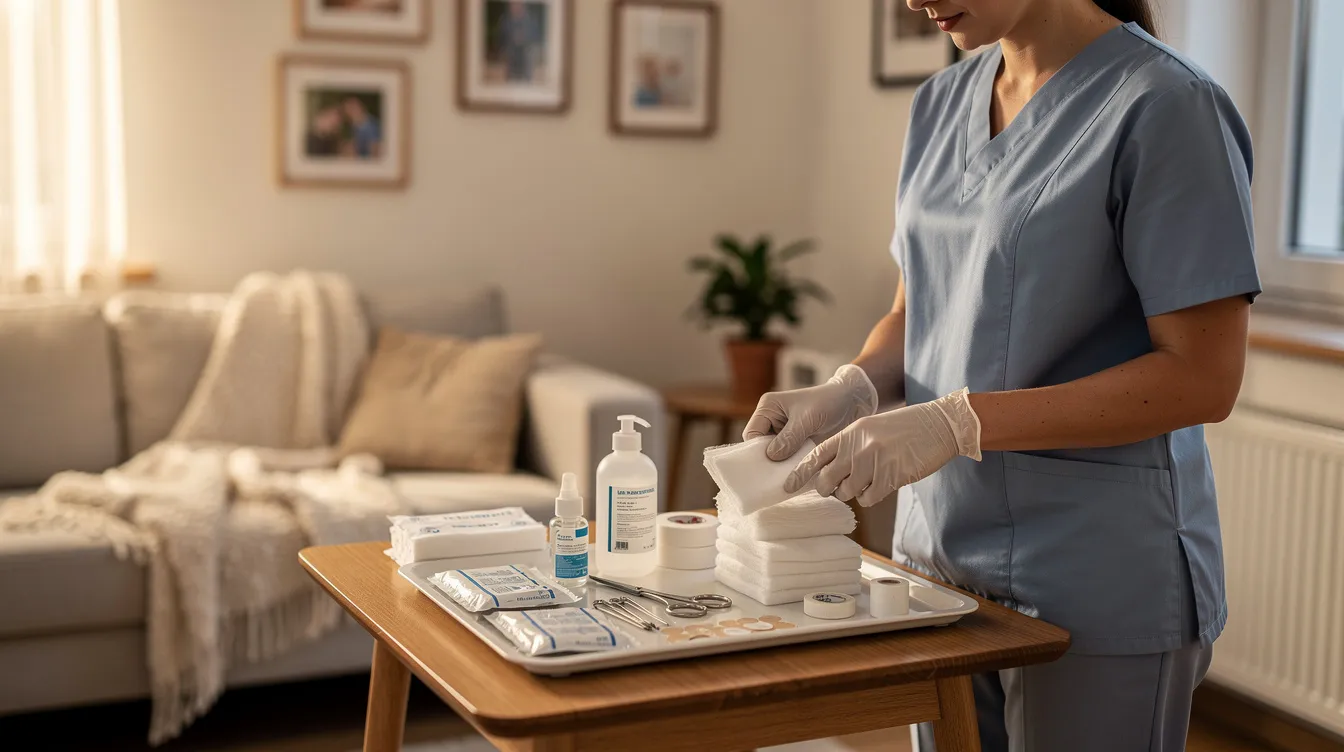
During a typical in-home visit, your nurse performs a thorough wound assessment, changes dressings, checks for signs of infection, and may perform advanced debridement when needed. But the visit does not stop at the wound itself. Nurses ask about your typical meals, pantry items, weight changes, appetite, and gut health in order to tailor food heal recommendations to your situation and cultural preferences.
Examples of support include:
- Suggesting affordable healing foods that fit your budget and taste
- Recommending simple swaps to increase protein, vitamin C, and zinc intake
- Coordinating with your doctor about supplements like vitamin C, zinc, or protein shakes
- Monitoring wound progress as your diet improves over weeks
This personalized approach treats disease prevention and wound management as interconnected goals, not separate problems.
Contact Hawaii Advanced Wound Care: 101 Aupuni Street, Suite 320, Hilo, HI 96720 Phone: (808) 258-1298, or use their contact page to request expert mobile wound treatment. Website: hawaiiadvancedwoundcare.com
Check the website for current Big Island service areas.
Frequently Asked Questions About Food and Wound Healing
How quickly can changing my diet help my wound heal?
Some changes produce results faster than others. Improved hydration and higher protein intake can begin supporting optimal healing within days, as your body immediately uses these resources for cellular repair and immune response. However, visible improvements in wound size and tissue quality often take 1–3 weeks of consistent effort.
Chronic wounds or those complicated by diabetes, poor circulation, or chronic illness may require several months of sustained nutrition alongside professional care. If your wound has not noticeably improved in 2–4 weeks despite basic care, schedule a home visit with Hawaii Advanced Wound Care to have a nurse evaluate your wound and your diet together.
Can I rely on supplements instead of healing foods?
Supplements like vitamin C, zinc, and protein powders can be helpful tools, but they should complement a balanced diet of healing foods rather than replace it. Whole foods deliver combinations of nutrients, fiber, and plant compounds that supplements cannot replicate. A good rule is to treat supplements as insurance, not a substitute.
Be cautious: high-dose zinc can interfere with copper absorption, and some herbal products may interact with medications. Ask your Hawaii Advanced Wound Care nurse or prescribing provider before starting new supplements, especially if you have kidney disease or take multiple medications. Thy food should be thy medicine first, and supplements second.
Is spicy food bad for wound healing?
Spicy food is not automatically harmful for most wounds on the skin. However, it can irritate surgical sites in the mouth, throat, or digestive tract. For some people, very spicy meals worsen heartburn or gut discomfort, which may indirectly reduce appetite and nutrient intake.
Moderate your spice level and avoid foods that clearly cause discomfort, particularly right after surgery or during active infection. Mild natural medicine options like ginger and turmeric can add flavor and anti inflammatory benefits without excessive heat.
What should I drink to support wound healing?
Water is the primary beverage for better health during wound recovery. It supports brain function, maintains blood pressure, and delivers oxygen and nutrients to healing tissues. Herbal teas and green tea are beneficial additions that provide mild antioxidant support and can lower blood pressure gently.
Bone broth and protein-rich smoothies made with yogurt, fruit, and leafy greens are excellent for those struggling with appetite or chewing. Avoid alcohol and high-sugar drinks because they dehydrate the body and interfere with immune function and blood sugar control. These beverages promote healing far more effectively than any sugary alternative.
When should I call a professional instead of managing my wound and diet alone?
Call a professional when you notice any of these warning signs: increasing redness or warmth around the wound, worsening pain, foul odor, pus or unusual drainage, fever, or a wound that has not shrunk or improved over 2–4 weeks.
People with diabetes, poor circulation, or a history of slow healing should seek professional wound care early rather than waiting for problems to escalate. Prevention through early intervention and proper nutrition guidance can help treat disease complications before they become severe. Contact Hawaii Advanced Wound Care at (808) 258-1298 to schedule an in-home wound assessment and personalized food heal plan. Your nurse can evaluate both the wound and your nutrition to support brain health, heart health, and whole-body recovery.
Heal Faster at Home: Partner with Hawaii Advanced Wound Care
Combining healing foods, healthy lifestyle habits, and expert in-home wound treatment gives patients in Hawaii the strongest foundation for faster, safer recovery. You do not need to figure out nutrition and wound care alone, and you do not need to drive across the Big Island to get help.
If you or a loved one is managing a chronic wound, recovering from surgery, living with a diabetic ulcer, or dealing with a pressure injury, Hawaii Advanced Wound Care brings registered nurse expertise directly to your door. Every visit includes wound assessment, professional treatment, and real-life nutrition coaching that meets you where you are, in your own kitchen and pantry. Eat the right foods, follow your care plan, and let your body do what it was designed to do.
Call Hawaii Advanced Wound Care today at (808) 258-1298 or visit hawaiiadvancedwoundcare.com to schedule a mobile wound care visit. Located in Hilo, Hawaii, and serving patients across the Big Island. With the right foods on your plate and the right care at your door, your body is designed to heal.
Recent Posts