Benefits of Mobile Wound Care for Seniors in Hawaii
Chronic wounds affect thousands of older adults across the Hawaiian Islands every year, and getting to a specialty clinic is not always realistic. Long drives across the Big Island, limited public transportation, and physical mobility challenges can delay treatment for weeks, sometimes with serious consequences. Mobile wound care in Hawaii offers a solution that brings hospital-level wound treatment directly to the homes of seniors who need it most.
Key Takeaways
- Hawaii Advanced Wound Care brings comprehensive wound care directly to seniors' homes across the Hawaiian Islands, serving older adults with chronic wounds, mobility challenges, and limited access to specialty clinics. It is currently the only dedicated mobile wound care clinic in the state.
- In-home visits by a wound-specialized registered nurse reduce travel stress, lower exposure to hospital-acquired infections, and can achieve wound resolution rates of 80–95% for chronic wounds like diabetic foot ulcers, venous ulcers, and pressure ulcers.
- Services include advanced wound assessment, negative pressure wound therapy, treatment for non healing wounds, and post–skin grafts support, all tailored to Hawaii's tropical climate and island lifestyle.
- Mobile wound care is especially valuable for kupuna in rural Big Island communities such as Puna, Ka'ū, and the Kona uplands, with the ability to expand to other islands as service areas grow.
- Seniors and families can schedule a home visit with Hawaii Advanced Wound Care by calling (808) 258-1298 or visiting the website to get started with expert mobile wound care in Hawaii.
Understanding Wound Care Needs in Hawaii's Seniors
Hawaii's population is aging faster than the national average. Approximately 19.4% of the state's residents are 65 or older, compared to about 16.8% nationally. Among these older adults, roughly 20.7% have been diagnosed with diabetes, with Native Hawaiians, Filipinos, and Japanese seniors experiencing particularly elevated rates. These conditions, combined with vascular disease affecting 12–20% of seniors, create an increased risk of chronic wounds that demand specialized attention.
Acute wounds like cuts, burns, and skin tears from falls typically heal within two weeks through the body's normal healing process of inflammation, proliferation, and remodeling. Chronic wounds are different. These are wounds that fail to heal within standard timeframes, often stalling beyond four to six weeks. Chronic wounds often stall in the inflammatory stage of healing, unable to progress toward wound closure without intervention. They can be caused by infection, inflammation, or pressure sores, and seniors with diabetes or poor blood flow are especially vulnerable.
The most common wound types among Hawaii's older adults include diabetic foot ulcers, venous ulcers on the lower legs, pressure ulcers from limited mobility, arterial ulcers, and neuropathic ulcers related to peripheral neuropathy. Wound care in Hawaii is primarily managed through clinics and home health agencies, but Hawaii's island geography affects the availability of mobile wound care services. Seniors in rural communities face long drives to Hilo or Honolulu, and some may need inter-island flights just to see a wound specialist. Hawaii Advanced Wound Care was created specifically to close this gap, offering mobile wound care starting on Hawaii Island and expanding across the state.
What Is Mobile Wound Care in Hawaii?
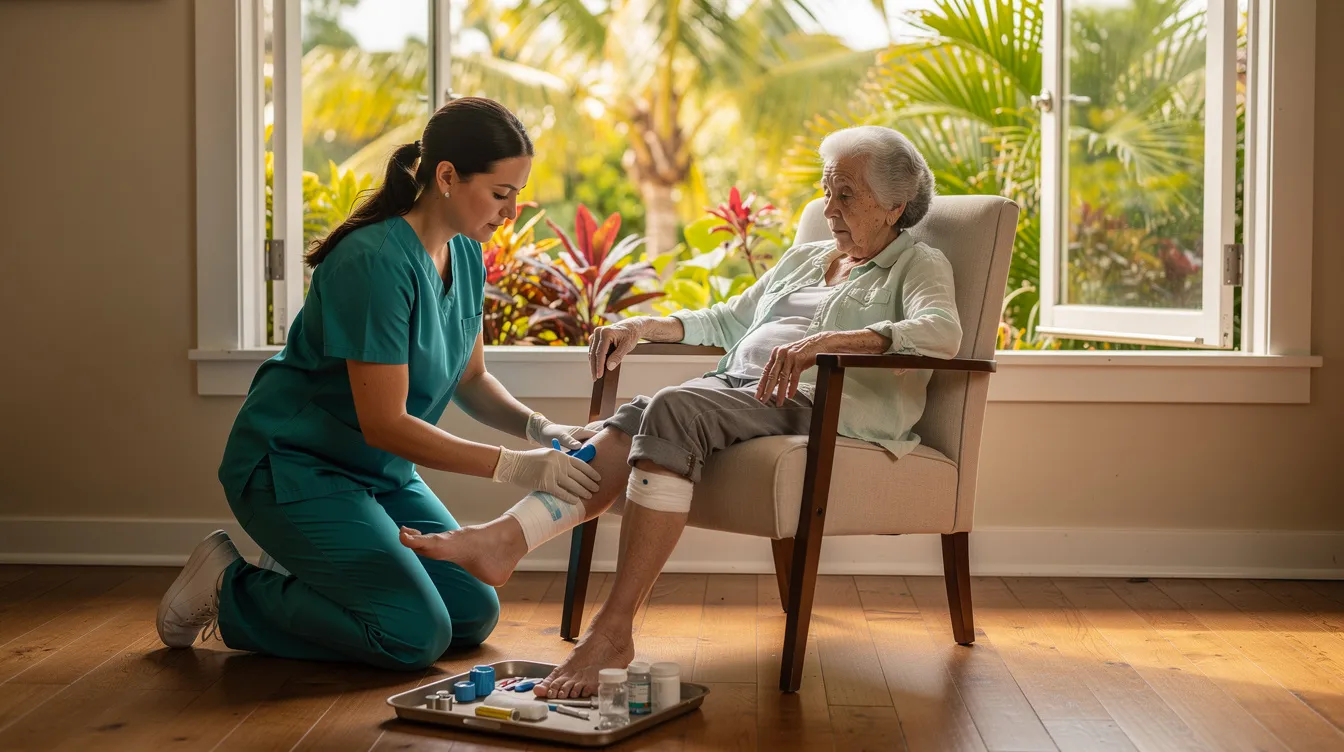
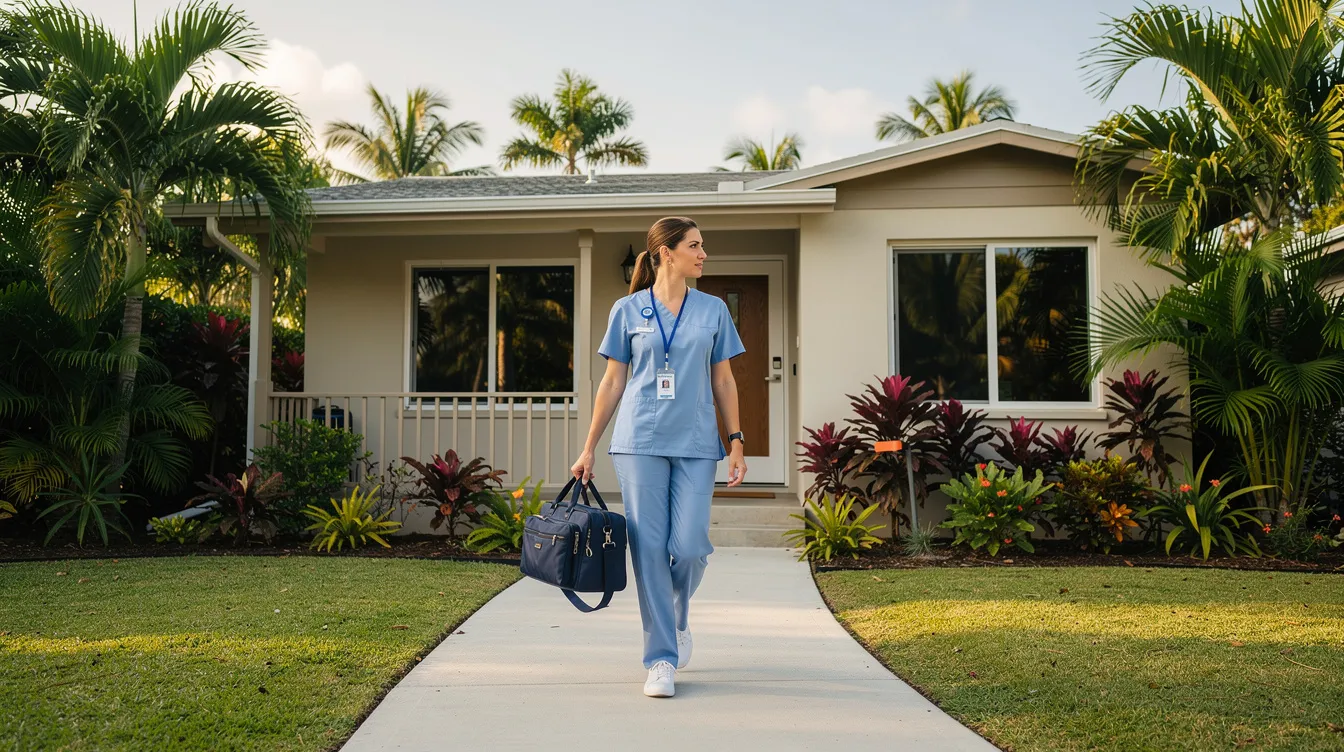
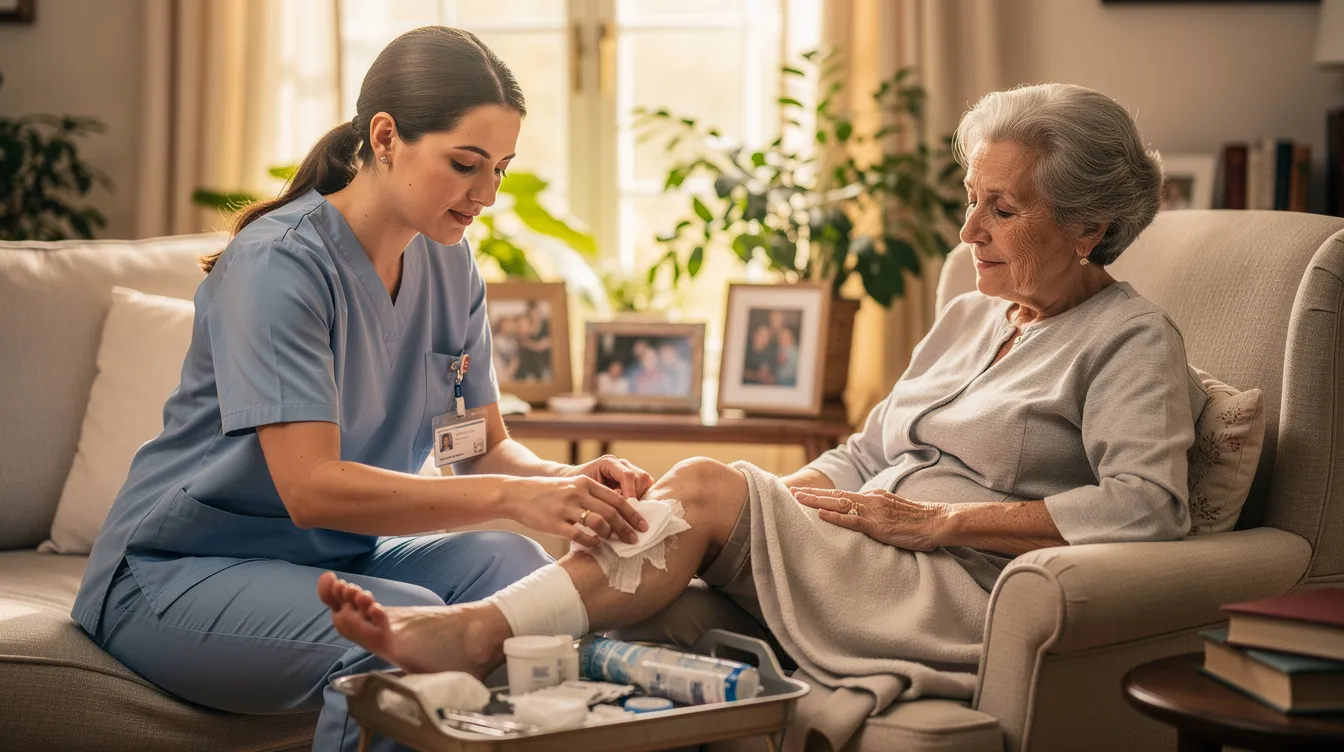
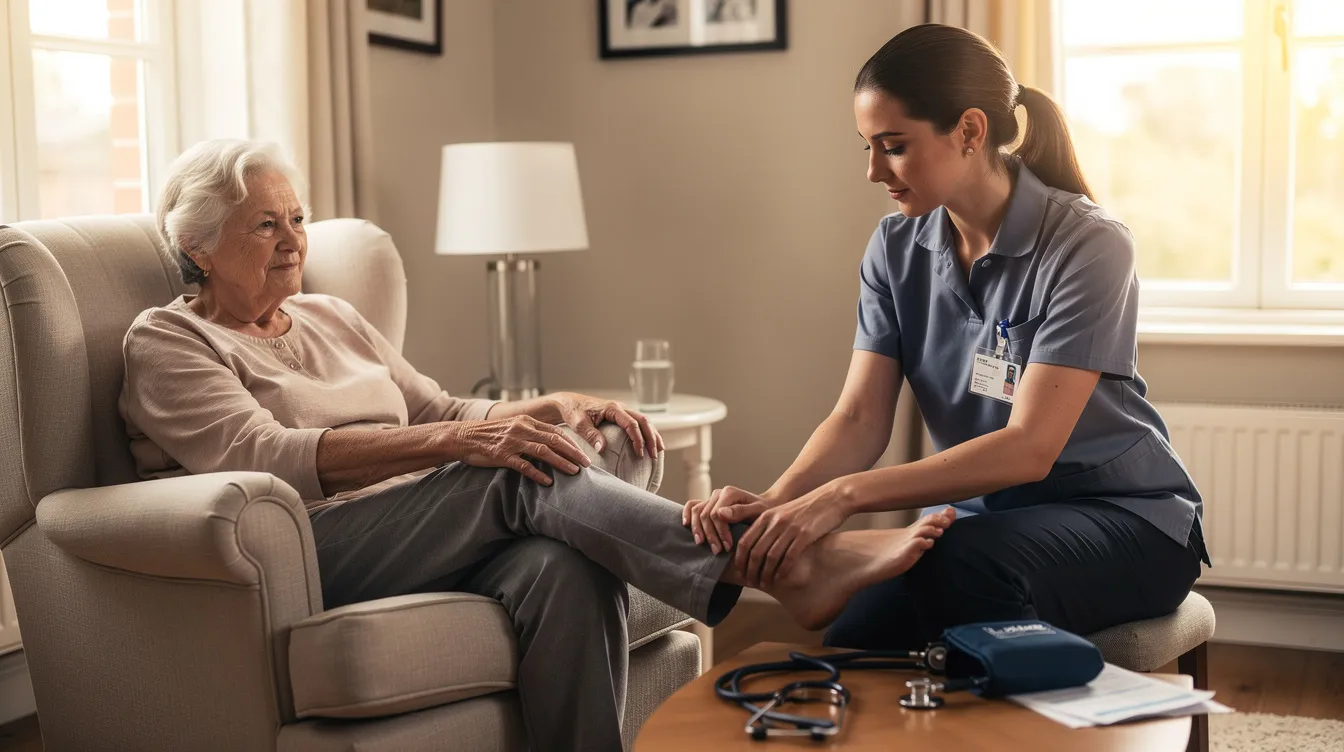
Mobile wound care means a wound-specialized registered nurse travels to the senior's home or care facility to deliver the same level of care normally provided in a hospital-based wound clinic. Effective expert mobile wound care in Hawaii involves specialized clinical teams bringing care to patients' homes, eliminating the need for difficult trips to distant facilities.
Hawaii Advanced Wound Care is the only mobile clinic in Hawaii dedicated entirely to this model. Based at 101 Aupuni Street, Suite 320, Hilo, HI 96720, they serve private homes, senior housing, assisted living, and skilled nursing facilities across the Big Island. Mobile wound care services are relatively rare in Hawaii compared to the mainland, making this service crucial for the state's aging population.
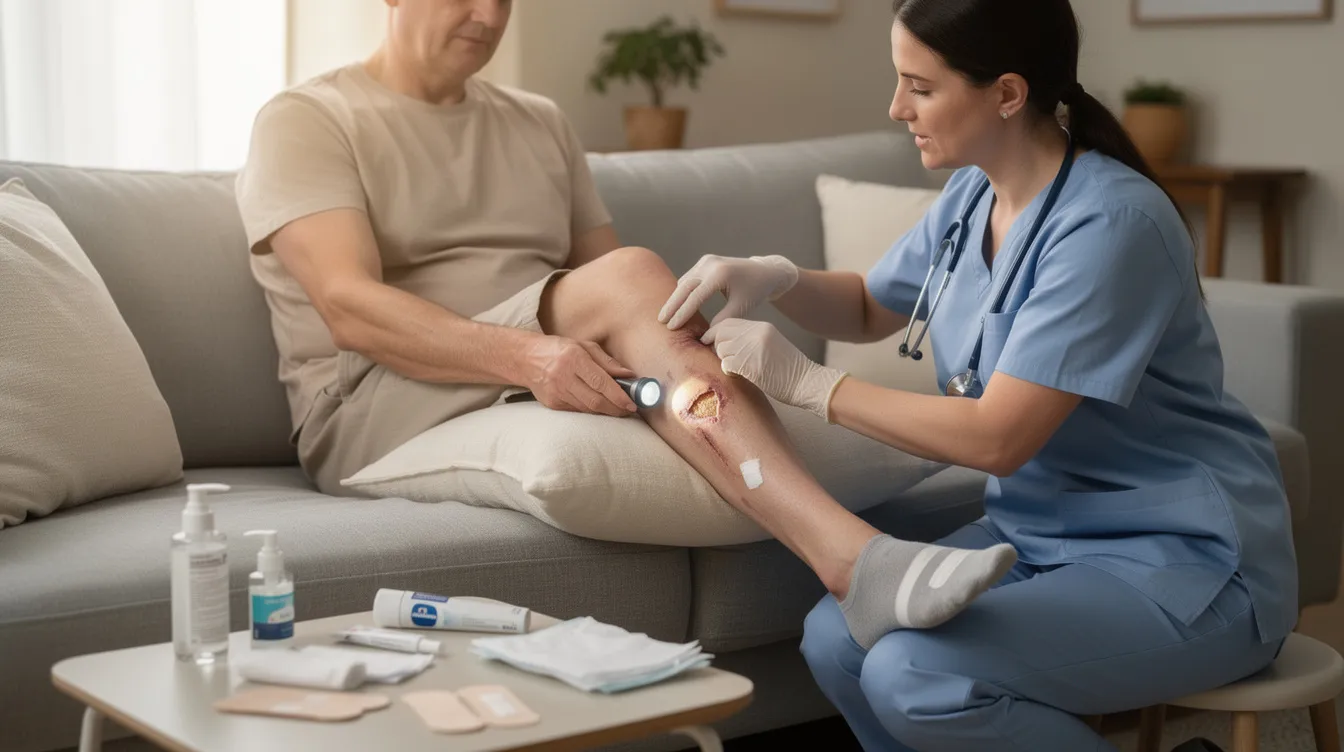
A typical visit follows a structured flow:
- Initial wound assessment, including measurement, photography, and documentation
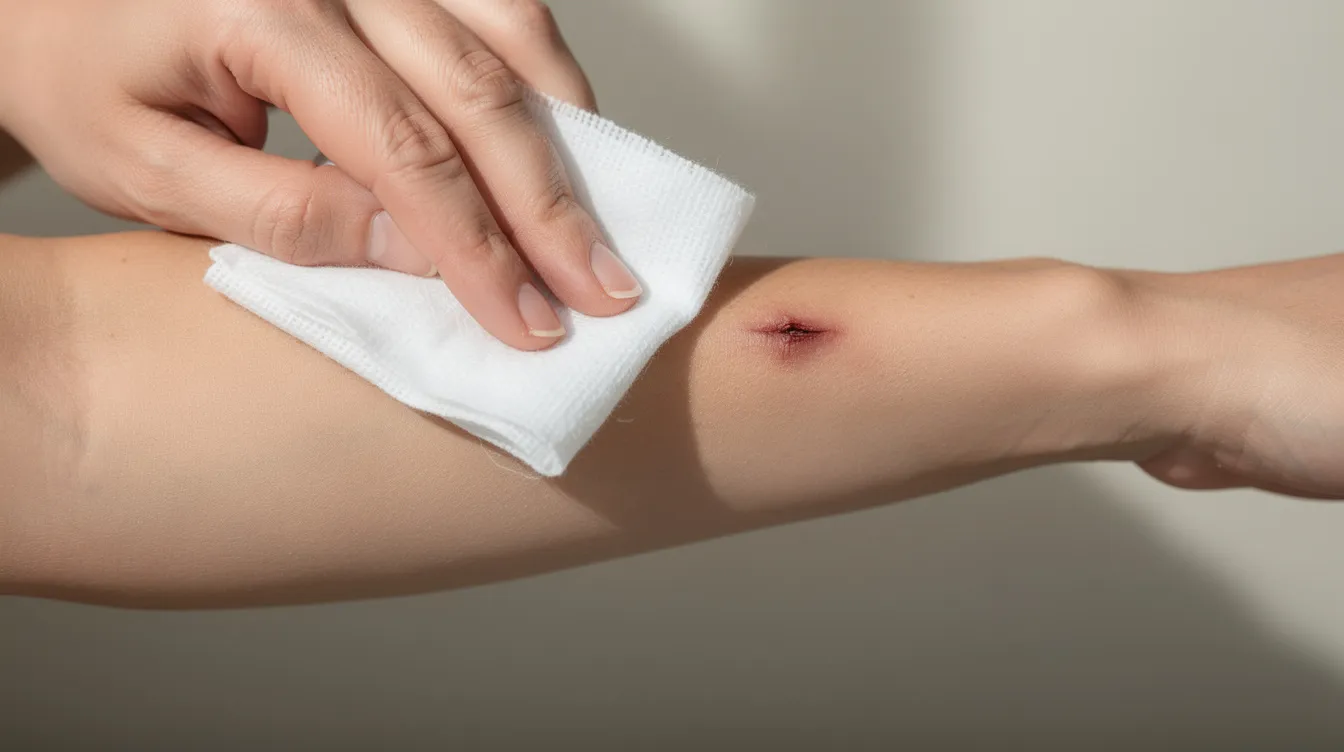
- Wound cleaning and appropriate dressing changes
- Education for the senior and their caregivers on daily wound management
- Coordination with the primary care provider and any involved specialists
House-call wound care specializes in non-healing wound treatment at home, and specialized mobile practices focus on these difficult cases where patients have struggled to heal through standard approaches. Visits are scheduled and customized to each patient's needs. Seniors or family members can call (808) 258-1298 to check availability and learn more about wound expert care at home in Hawaii.
Why Mobile Wound Care Matters for Hawaii's Older Adults
Seniors with limited mobility, oxygen dependence, or no reliable transportation often delay or skip clinic visits entirely. Each missed appointment allows chronic wounds to worsen, and in most cases, what starts as a manageable ulcer can lead to hospitalization or worse. In-home care allows for expert monitoring of wounds without putting patients through the physical and emotional stress of travel.
Mobile wound care eliminates long car rides, navigating stairs, dealing with parking, and sitting in crowded waiting rooms. For kupuna using walkers, wheelchairs, or supplemental oxygen, these barriers are not minor inconveniences. They are reasons people suffer from wounds that go untreated for weeks or months.
In-home evaluations can identify environmental factors affecting healing that are invisible in the clinic. During a home visit, the nurse can assess the senior's bed, chair, footwear, and bathroom setup, spotting risks for pressure ulcers, falls, and skin tears. This kind of observation simply cannot happen in a 15-minute office appointment.
There is also a cultural benefit that matters deeply in Hawaii. Being treated in the comfort of home with ohana nearby can reduce anxiety and improve adherence to wound care plans. Families feel more involved, and patients are more likely to follow through with dressing changes and protective behaviors.
By catching early changes in diabetic foot ulcers, venous ulcers, and pressure ulcers, expert mobile wound care in Hawaii for burns, ulcers, and more can often prevent ER visits, hospital stays, and even amputations for kupuna across the Big Island.
Common Wounds in Hawaii's Seniors and How Mobile Care Helps
Wound care requires specific expertise for different types of wounds including diabetic ulcers and surgical wounds. Dedicated advanced wound care services in Hawaii ensure that treatment plans match each wound type and severity. Here is how mobile care addresses the major wound types seen in Hawaii's older adults.
Diabetic foot ulcers are among the most serious wounds affecting seniors with diabetes. Diabetic wounds often occur on the feet, where neuropathy causes loss of sensation and repeated trauma goes unnoticed. Diabetic foot ulcers significantly increase the risk of lower-limb amputations if left untreated. Mobile nurses provide off-loading strategies, appropriate dressings, and coordinate with physicians and endocrinologists to manage the affected area.
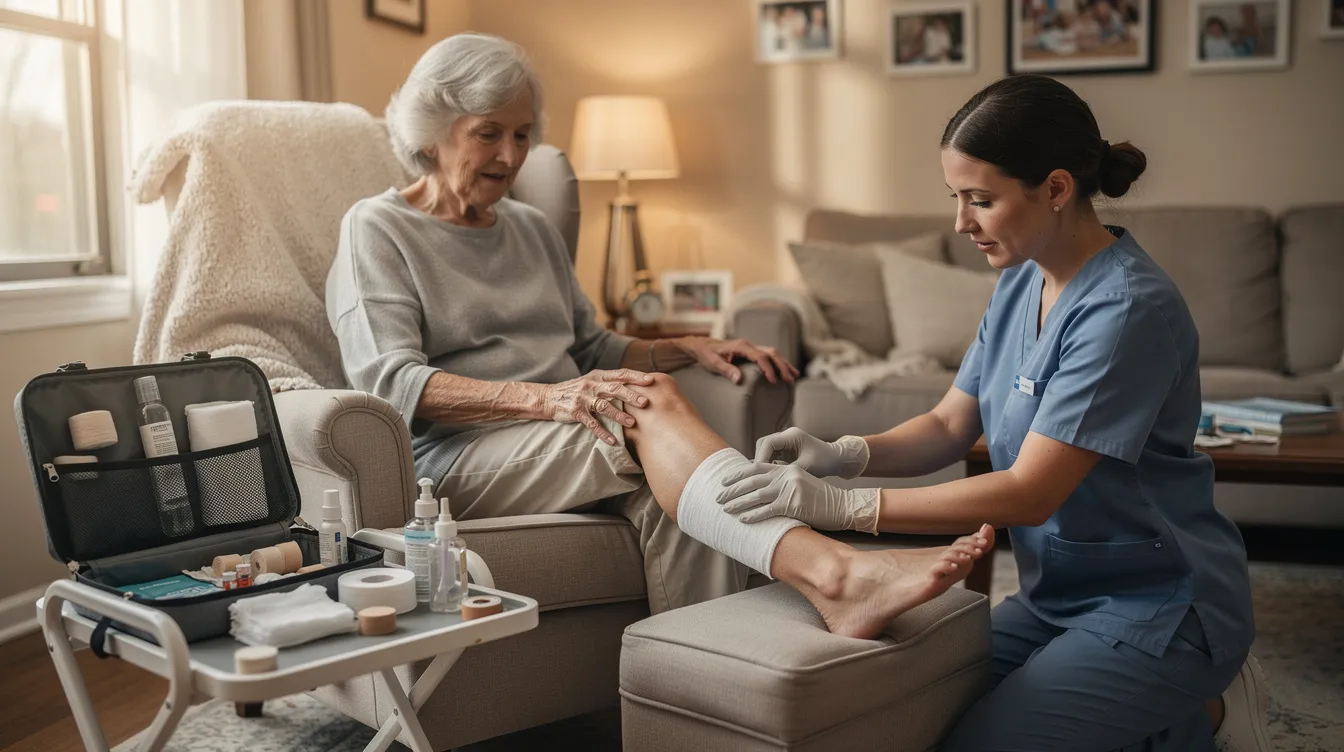
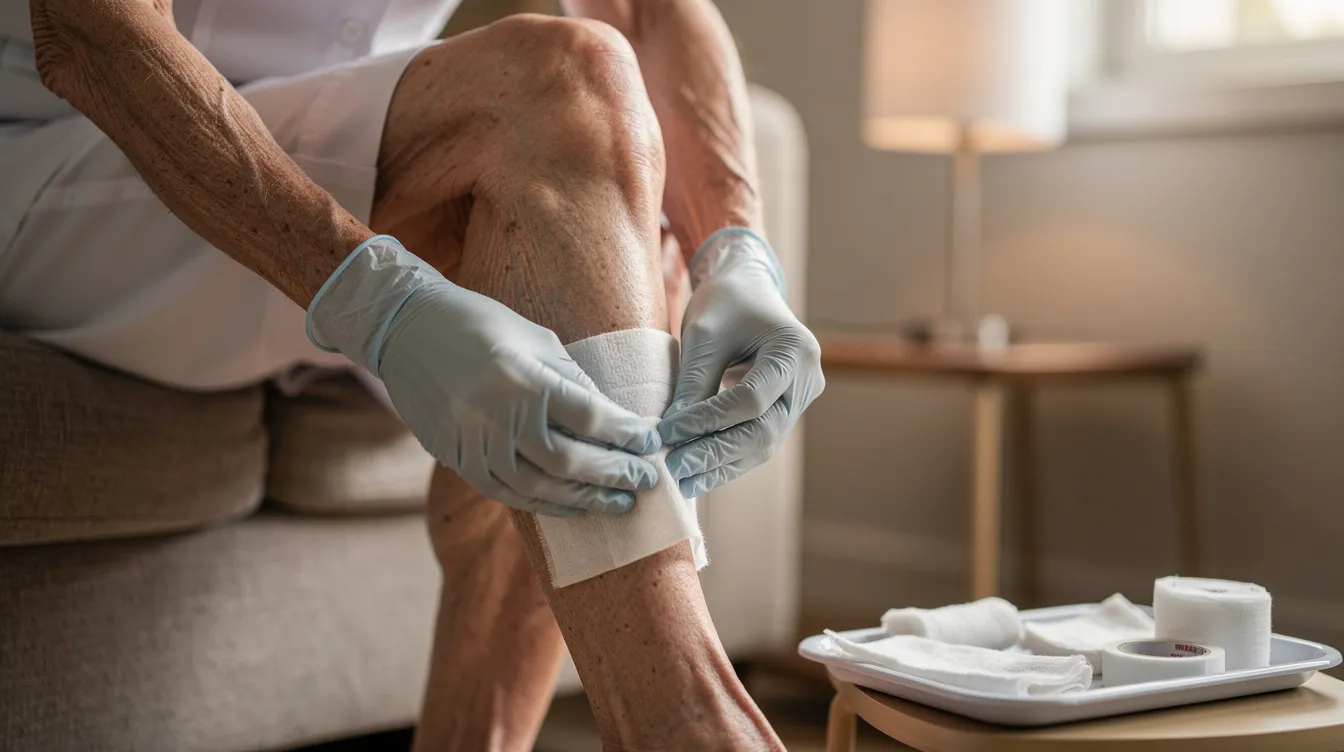
Venous ulcers form due to blood pooling in the lower legs, caused by venous hypertension and valve dysfunction in the blood vessels. These shallow, irregular wounds typically appear around the medial ankle and are accompanied by edema and skin discoloration. Compression therapy, leg elevation, and breathable dressings are vital parts of treatment that a mobile nurse can teach and manage.
Pressure ulcers, also known as bedsores, develop over bony prominences like the sacrum, heels, and hips in seniors with prolonged bed or chair time. Pressure ulcers account for approximately 70% of chronic wounds in the elderly, and approximately 70% of pressure ulcers occur in the elderly population overall. Mobile nurses assess repositioning schedules and recommend pressure-relieving surfaces.
Arterial ulcers have a "punched out" appearance and are painful, typically found on toes or foot edges where blood flow is severely compromised. Neuropathic ulcers develop primarily on pressure points of the feet and are closely related to diabetic neuropathy. Non healing surgical wounds following procedures at local hospitals also benefit from consistent in-home monitoring.
Hawaii Advanced Wound Care provides specialized dressing selection, compression guidance for venous ulcers, off-loading strategies for diabetic and pressure ulcers, and comprehensive in-home wound evaluations with referral back to vascular or surgical teams when needed.
Consider a kupuna living in rural Puna with a chronic venous ulcer that had persisted for months due to irregular dressing changes and inconsistent compression use. After weekly mobile visits with proper compression bandage education and breathable dressings adapted for the humid climate, the swelling reduced and the ulcer size decreased significantly over six to eight weeks, avoiding hospitalization entirely.
Clinical Benefits: Faster Healing and Fewer Complications
Evidence supports that advanced home-based wound care can achieve healing outcomes comparable to specialty clinics, particularly when visits are consistent and follow evidence-based protocols and supported by convenient telehealth wound care follow-ups. Mobile wound care can achieve healing rates of 80–95%, and wound resolution rates can reach 80–95% with specialized care from trained providers.
Hawaii Advanced Wound Care uses evidence-based protocols for chronic wounds, improving healing times across diabetic foot ulcers, venous ulcers, pressure ulcers, and other chronic ulcers. Wound assessment determines size, depth, and tissue damage at every visit, and proper assessment influences wound cleaning and dressing protocols so that treatment evolves as the wound changes.
More frequent in-home monitoring helps catch early symptoms of infection or ischemia. This is crucial for high-risk seniors where a delay of even a few days can lead to hospitalization, sepsis, or major amputation. Research shows that negative pressure wound therapy reduces infection risk by roughly 41% compared to standard treatments in chronic wound settings. Mobile wound care also reduces hospital readmissions by 40%, keeping seniors safer and more comfortable.
Assessment tools help classify wounds for appropriate treatment, and regular reassessment of wound size, depth, and exudate allows for timely changes in dressings and advanced therapies. This coordinated care approach improves outcomes for non healing wounds that have failed to respond to previous treatment.
Consistent care and education help older adults complete full treatment courses. When patients understand their healing process and caregivers know what to watch for, the risk of recurrence drops and durable wound closure becomes achievable.
Safety Benefits: Lower Infection Risk for Kupuna
Older adults have weaker immune systems and are more vulnerable to hospital-acquired infections from antibiotic-resistant bacteria. Chronic wounds that are already infected or at risk of becoming infected face compounding danger in clinical settings where exposure to other pathogens is high.
Receiving wound care at home significantly reduces exposure to crowded clinics and hospitals, lowering the risk of healthcare-associated infections. This matters especially for seniors who may already be on systemic antibiotics or dealing with lower extremity cellulitis, where additional bacterial exposure could lead to serious complications or even death.
Hawaii Advanced Wound Care nurses follow strict infection control protocols in the home, including:
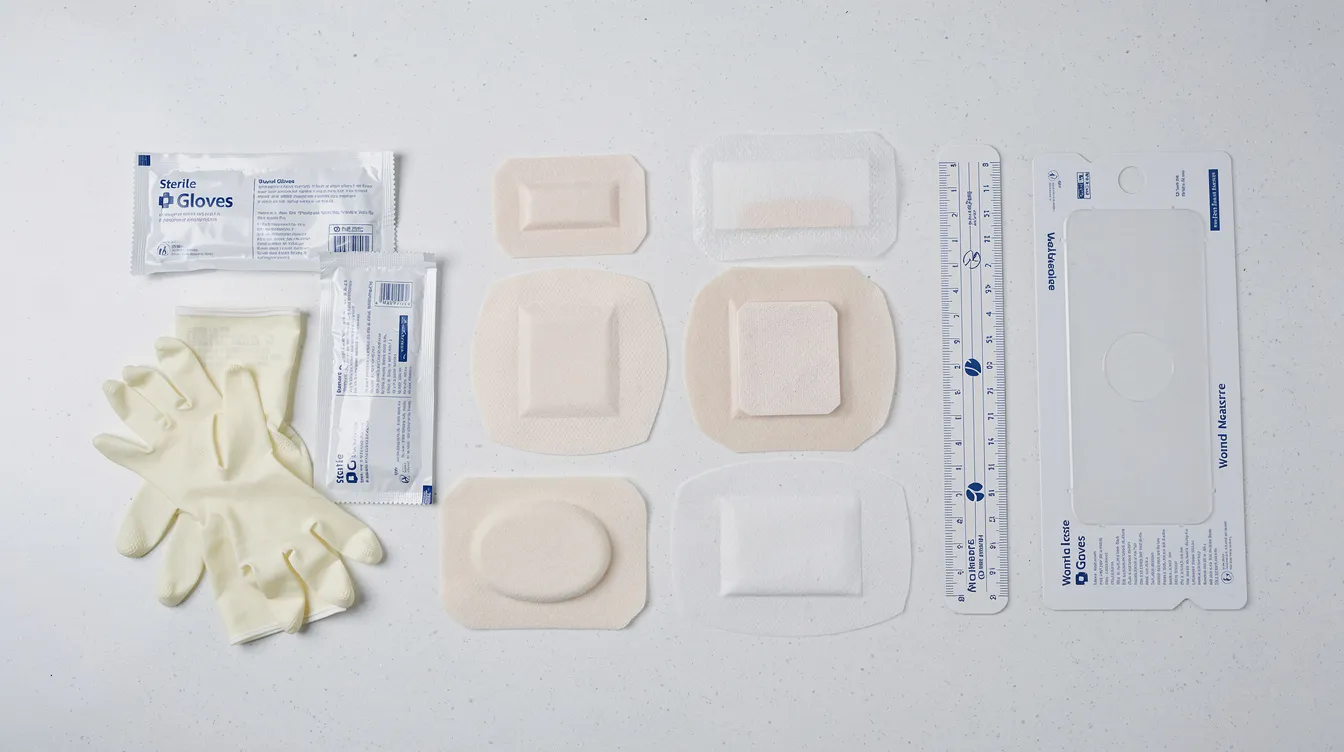
- Use of sterile supplies and proper hand hygiene
- Clean technique for dressing changes
- Safe disposal of dressings, gauze, and sharps
- Environmental assessment to reduce contamination risk
This is especially important for seniors with large chronic wounds, negative pressure wound therapy devices, or post–skin grafts sites that are highly susceptible to biofilm formation and infection. When wounds bleed or fail to show signs of improvement, early detection in the home environment prevents the need for emergency intervention.
Families can feel reassured that mobile wound care is coordinated with vaccination schedules and other preventive care from the senior's existing primary care team, maintaining continuity across all providers involved in the patient's health, along with access to Hawaii mobile wound care patient resources that support healing between visits.
Advanced Therapies Offered at Home by Hawaii Advanced Wound Care
Hawaii Advanced Wound Care brings many hospital-level therapies directly into seniors' homes, eliminating extra trips to outpatient wound centers. The focus is on delivering the right treatment for each individual wound based on thorough assessment and the patient's goals of care.
Advanced debridement removes dead tissue and infections from wounds, creating a clean wound bed that supports healing. This may include conservative sharp debridement performed by the wound-specialized nurse, clearing necrotic tissue that would otherwise harbor bacteria and stall the healing process.
Modern moist wound dressings are selected based on the wound's characteristics. Hydrocolloid dressings absorb moisture and promote autolytic debridement, while foam dressings manage heavy exudate. Topical antimicrobials are applied when there is evidence of local infection or critical colonization in the affected area.
Negative pressure wound therapy accelerates healing by improving blood flow to the wound bed. This device applies controlled suction through a sealed dressing, drawing out excess fluid and promoting tissue growth. Mobile nurses manage dressing changes, troubleshoot alarms, and ensure the device functions properly between visits. Cochrane evidence confirms that combining advanced wound management with proper off-loading produces superior results for diabetic foot ulcers.
Biologic grafts enhance natural healing and tissue regeneration for full-thickness wounds that need additional support. Hawaii Advanced Wound Care also monitors and protects surgical skin grafts placed at local hospitals, ensuring graft sites heal without complications. For burn injuries requiring specialized mobile treatment, the team brings the same level of expertise to the home.
All advanced treatments involve ongoing communication back to the primary physician or specialist, ensuring every provider on the team is aligned.
Supporting Caregivers and Ohana in Daily Wound Care
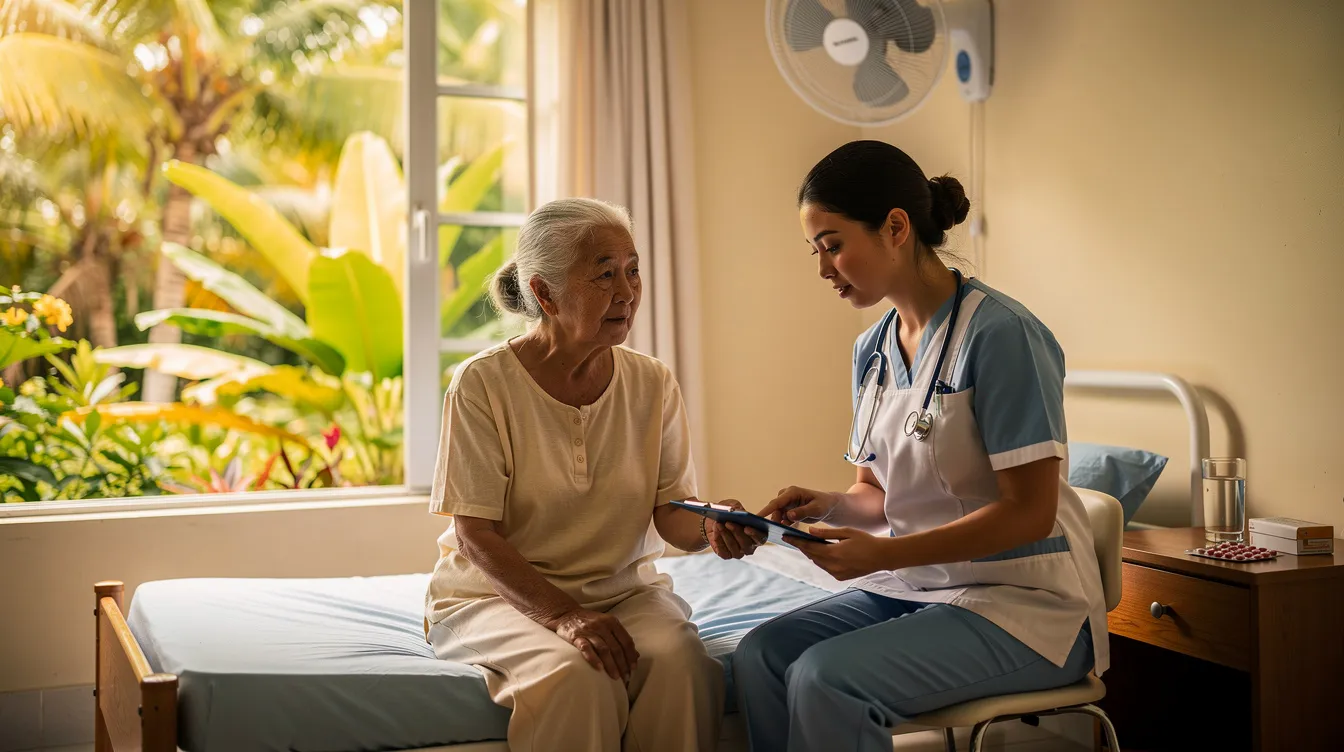
Family members and caregivers are the front line for wound care in Hawaii's multi-generational households. Between scheduled nursing visits, it is the families who check dressings, watch for warning signs, and help their kupuna stay comfortable. Their role is vital to successful outcomes.
During mobile visits, Hawaii Advanced Wound Care nurses teach caregivers how to:
- Perform daily dressing checks and recognize when a dressing needs changing
- Protect fragile aging skin from tears and tissue damage
- Identify early signs of infection such as increased pain, redness, warmth, or foul odor
- Safely manage devices like negative pressure wound therapy units
Written instructions are left in the home after each visit, and follow-up telehealth or phone support is available to answer questions between appointments. This gives families confidence without requiring another in-person visit for every concern.
Caregiver training also covers repositioning techniques to prevent pressure ulcers, proper leg elevation and compression stocking use for venous ulcers, and foot protection strategies for neuropathic and diabetic foot ulcers. Understanding how to shower with an open wound safely at home is another practical skill that nurses address during these sessions.
Having a specialist come to the home can also reduce caregiver burnout. When families know that expert aid is scheduled regularly, the stress of managing a complex wound alone decreases, and repeated emergency trips for wound issues become far less likely.
How Hawaii's Climate and Lifestyle Affect Senior Wound Care
Hawaii's warm, humid tropical climate and active outdoor lifestyle influence how wounds behave and how dressings perform on the body. What works in a dry mainland climate may not be the right approach for a senior living in Hilo or along the Hamakua Coast.
Practical challenges include:
- Sweating under compression wraps, which can cause skin breakdown
- Maceration risk from high humidity, where excess moisture softens the skin around wounds
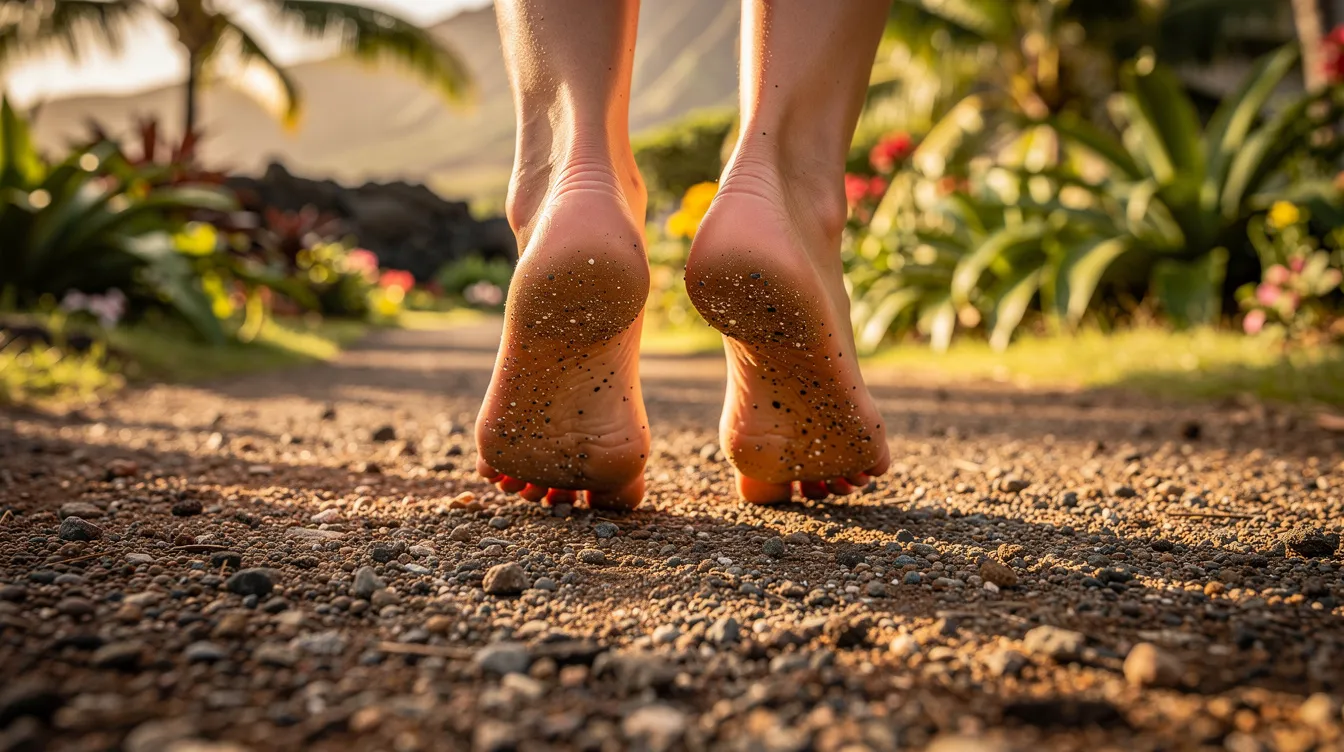
- Footwear choices, since many seniors prefer slippers or going barefoot at home, increasing risk for foot injuries and diabetic ulcers
Hawaii Advanced Wound Care adapts wound care plans to these local conditions. This means choosing breathable dressings that manage moisture without trapping heat, timing dressing changes around bathing or outdoor activity, and advising on appropriate protective footwear that still feels comfortable in the islands.
Cultural practices such as gardening, ocean swimming, and spending time outdoors with ohana are part of daily life for many kupuna. Rather than asking seniors to stop these activities entirely, the nurse helps them enjoy life safely while protecting chronic wounds from contamination and further tissue damage. Proper nutrition guidance is also woven into care plans, since adequate protein and hydration are essential for wound healing in any climate.
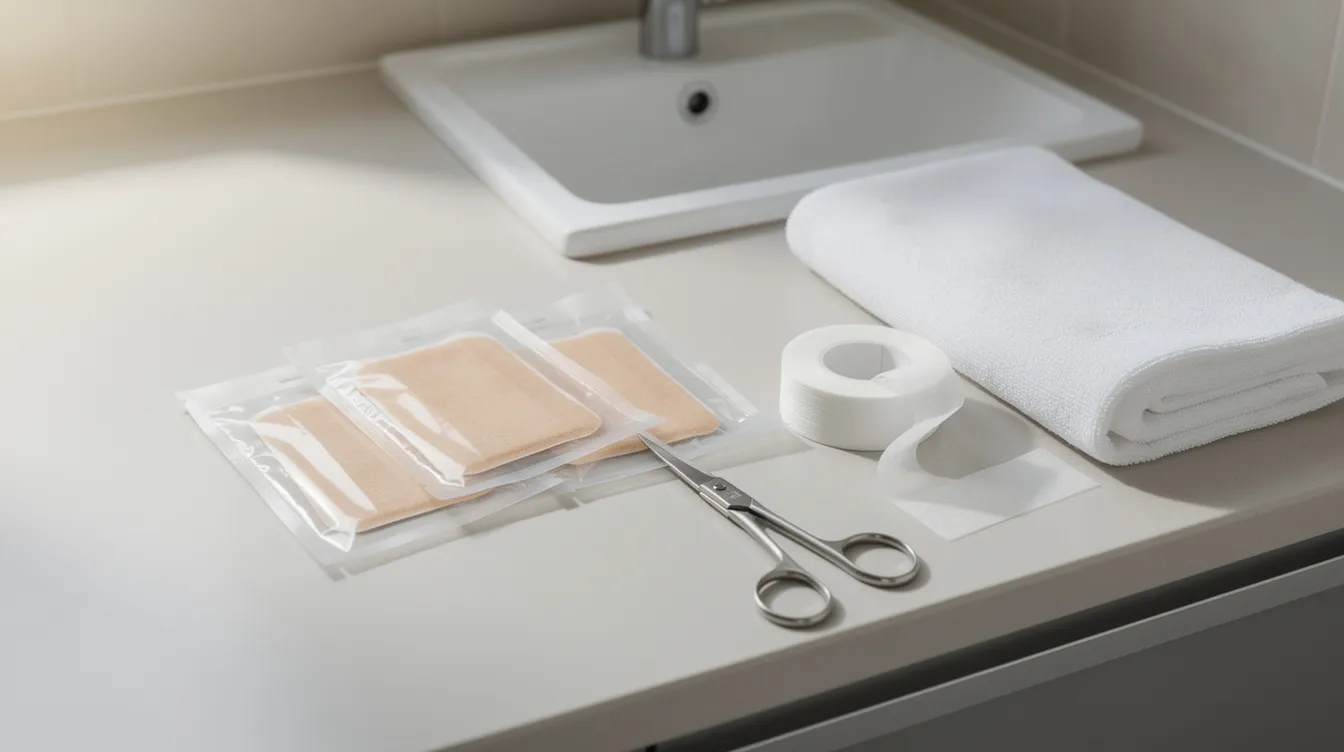
For example, a kupuna in rural Waimea managing a venous ulcer might want to continue light gardening. The mobile nurse can recommend timing outdoor activity for cooler parts of the day, using appropriate compression, having the right essential wound care supplies in Hawaii, and checking the wound immediately after activity for any signs of irritation or bleeding.
Access, Coverage, and How to Get Started with Mobile Wound Care
Hawaii Advanced Wound Care is locally owned and based in Hilo, initially serving the Big Island with plans to extend across more of the Hawaiian Islands. Mobile wound care services are available across all Hawaiian Islands as expansion continues, so checking current coverage is the first step.
Referrals can come from multiple sources:
- Self-referral by seniors or their families
- Referrals from primary care physicians
- Hospital discharge teams coordinating follow-up care
- Home health or skilled nursing facilities
Major healthcare systems in Hawaii coordinate in-home nursing for wound care upon discharge, and mobile wound care specialists may collaborate with existing home health or hospice services to ensure seamless continuity of care. Patients needing mobile wound care must coordinate with their regular medical team so that all providers stay informed.
Insurance coverage for mobile wound care often includes Medicare Part B and private plans. Seniors should verify their specific benefits when scheduling. Patients should also verify clinician credentials before scheduling mobile wound care, and certifications or experience in wound management are important for healthcare providers delivering these services. Patients can find licensed home health agencies accredited for clinical wound management through state resources.
To get started, contact Hawaii Advanced Wound Care for expert mobile wound treatment at (808) 258-1298 or visit hawaiiadvancedwoundcare.com. At the first visit, expect a thorough review of medical history, full wound assessment with photo documentation, a discussion of goals, and creation of an individualized in-home wound care plan.

Frequently Asked Questions About Mobile Wound Care for Seniors in Hawaii
Below are common questions seniors and families ask about mobile wound care. For additional answers and in-depth education, explore the Hawaii Advanced Wound Care blog with expert tips and in-home healing guidance or visit the Patient FAQs page.
Who qualifies for mobile wound care services from Hawaii Advanced Wound Care?
Services are ideal for older adults in Hawaii with chronic or non healing wounds such as diabetic foot ulcers, venous ulcers, pressure ulcers, or post-surgical wounds who have difficulty traveling to a clinic or prefer care at home. Seniors with mobility limitations, transportation barriers, or complex wounds lasting longer than four to six weeks are strong candidates. There is no age minimum, but the service is designed with kupuna and their unique needs in mind.
What happens during a typical home wound care visit?
The wound-specialized registered nurse arrives at the scheduled time, reviews any changes since the last visit, and performs a thorough wound assessment including measurement and photography. The nurse then cleans the wound, selects and applies the appropriate dressing, addresses pain management, and provides education to the patient and caregivers. Each visit concludes with coordination notes sent to the senior's other providers to maintain continuity across the care team.
Can mobile wound care help prevent hospitalizations and amputations?
Yes. Frequent in-home monitoring allows the nurse to detect early signs of infection, poor blood flow, or worsening tissue damage before they become emergencies. For seniors with diabetic and vascular disease, this early intervention is crucial. Studies show that mobile wound care reduces hospital readmissions by 40%, and consistent management of diabetic foot ulcers can significantly lower the risk of major amputation.
Do you only serve Hilo, or other parts of Hawaii too?
Hawaii Advanced Wound Care is based in Hilo but provides mobile wound care throughout much of the Big Island, including Kona, Puna, Waimea, and surrounding communities. The service is gradually expanding to other islands. Call (808) 258-1298 to confirm whether your location falls within the current service area.
How do I schedule a mobile wound care visit for my parent or kupuna?
Scheduling is straightforward:
- Call (808) 258-1298 or submit your information through the website
- Provide basic details about the wound, the patient's location, and medical history
- Confirm insurance coverage and service area availability
- Set up an initial assessment visit at home
The team will guide you through each step and answer any questions about what to expect.
Start Healing at Home with Hawaii Advanced Wound Care
Your kupuna deserves expert wound care without the burden of long drives, crowded waiting rooms, or the stress of navigating a hospital. Hawaii Advanced Wound Care delivers comprehensive wound care directly to seniors' homes, offering the same advanced therapies found in hospital-based wound centers, including negative pressure wound therapy, advanced debridement, biological dressings, and personalized treatment for chronic wounds of every form.
As the only dedicated mobile wound care clinic in Hawaii, Hawaii Advanced Wound Care is locally owned, staffed by wound-specialized nurses, and committed to serving kupuna across the islands. Whether your loved one is managing a diabetic foot ulcer, recovering from a skin graft, or dealing with a pressure ulcer that will not heal, help is one phone call away.
Contact Hawaii Advanced Wound Care today:
- Phone: (808) 258-1298
- Website: hawaiiadvancedwoundcare.com
- Office: 101 Aupuni Street, Suite 320, Hilo, HI 96720
Help your loved one stay at home, stay safe, and keep healing with expert mobile wound care tailored to life in the islands.
Recent Posts