Wound Care Supplies Hawaii: What You Need & How Mobile Care Brings Them to Your Home
Getting the right wound care supplies in Hawaii is harder than it sounds. Specialist clinics cluster around Honolulu and a few larger towns, shipping costs climb with every inter-island mile, and the warm, humid climate demands dressings that most mainland guides never mention. If you or a family member is managing a chronic wound at home, knowing which supplies to use-and when to call in a specialist-can make the difference between healing and months of frustration.
Key Takeaways
- Wound care supplies range from basic first-aid items to advanced dressings, and choosing the wrong product for a complex wound can stall healing or lead to infection.
- Hawaii Advanced Wound Care is the state's only mobile wound care clinic, delivering comprehensive wound care and supplies directly to patients' homes across the Hawaiian islands.
- Chronic or non healing wounds-including diabetic wounds, pressure ulcers, venous ulcers, and skin grafts-require more than off-the-shelf products; they need specialized clinical guidance, coordinated care, and regular reassessment.
- Mobile wound care achieves healing rates of 80–95% and reduces hospital readmissions by 40%, all while eliminating travel stress for patients.
- To schedule an in-home visit or confirm service area availability, call 808) 258-1298 or visit hawaiiadvancedwoundcare.com.
Understanding Wound Care Supplies and Medical Equipment in Hawaii
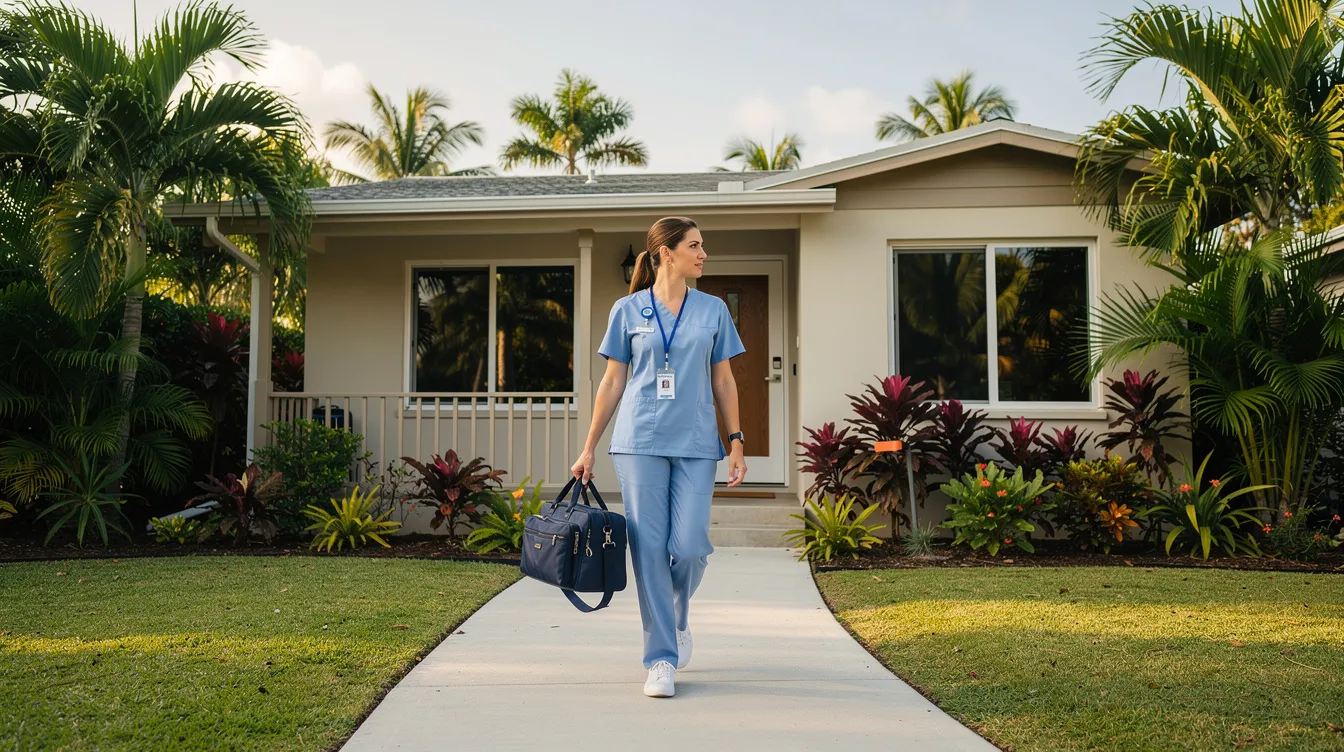
Living on the Big Island, a neighbor island, or in a rural community often means limited access to specialty wound care clinics. Physicians and hospitals with dedicated wound departments are concentrated in urban centers, and reaching them can require hours of driving over mountainous roads or booking an inter-island flight. For patients with limited mobility, that trip may not be realistic at all. Wound care clinics can offer multidisciplinary approaches to wound management, but getting to one is half the battle.
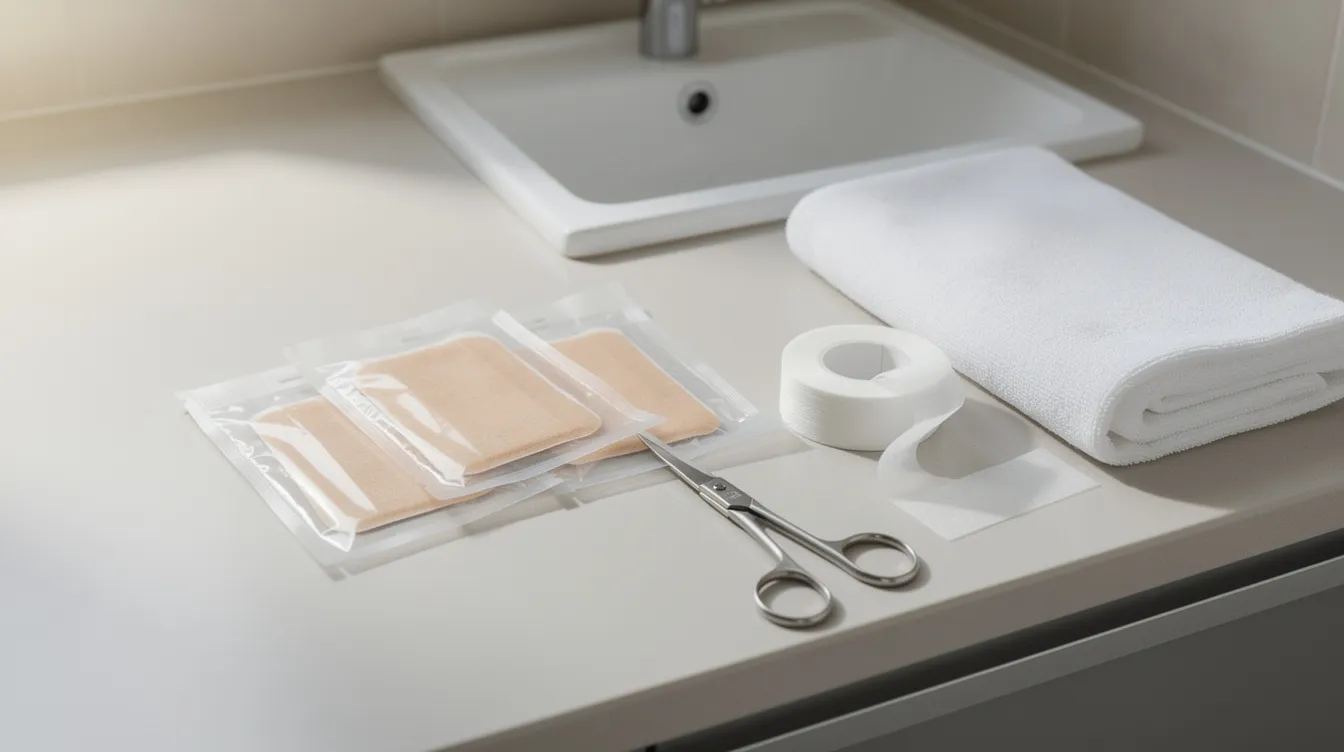
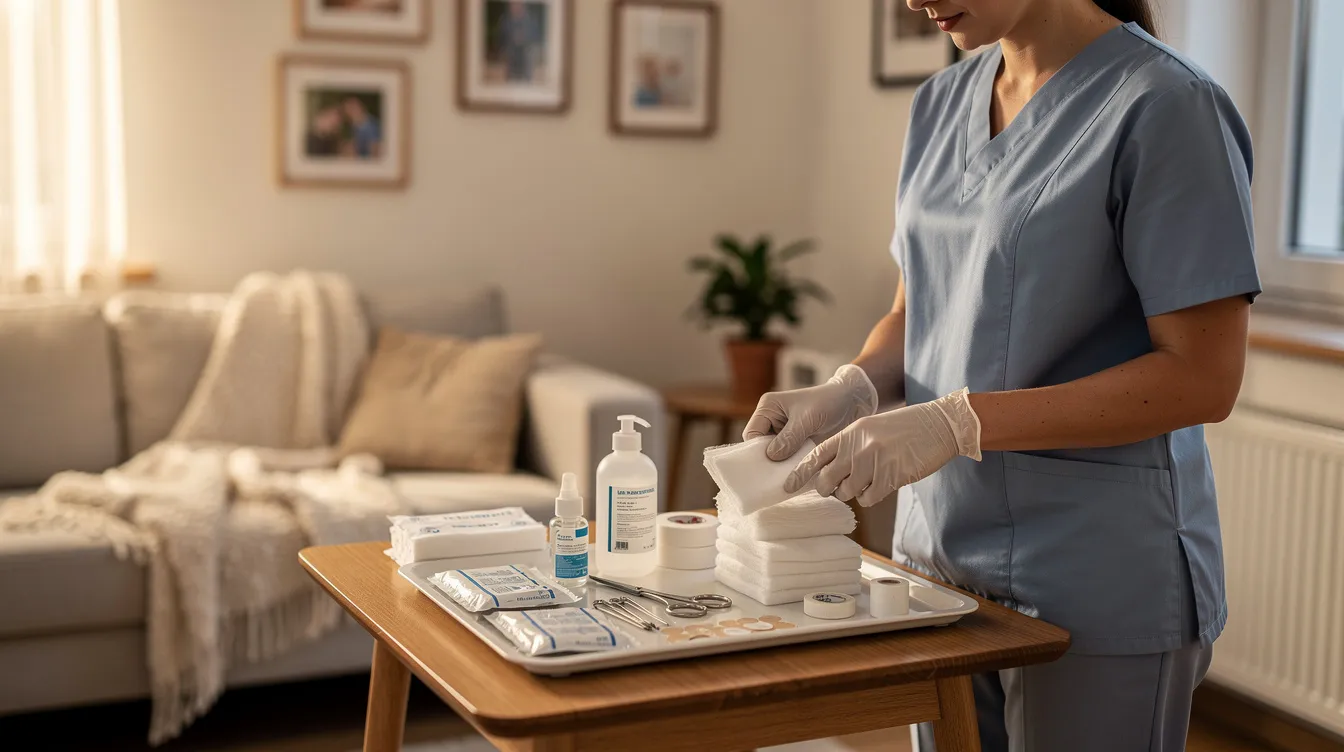
So what exactly counts as "wound care supplies"? Commonly used wound care products include gauze pads, rolled gauze, and medical tape-the basics you can pick up at a local pharmacy in Hilo or Kona. Beyond those, the list grows quickly:
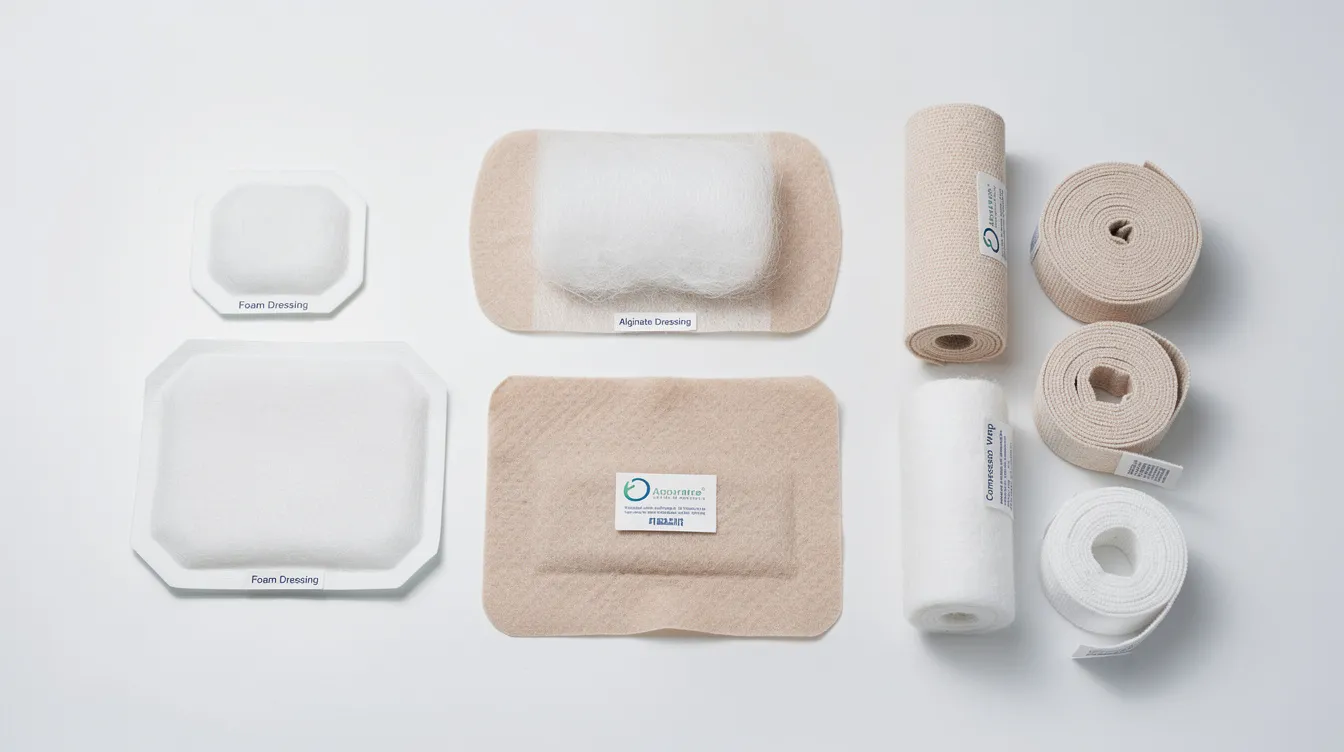
- Foam dressings for moderate drainage
- Alginate and hydrofiber dressings for heavy exudate
- Hydrocolloid dressings for low-to-moderate drainage
- Compression wraps for venous insufficiency
- Topical antibiotics and antiseptics
- Skin prep barriers, adhesive removers, and sterile saline
Medical supply companies in Hawaii offer specialized products such as wound dressings and bandages, and wound care supplies are available through local medical suppliers and pharmacy networks in Hawaii. For patients managing wounds at home, understanding the phases of healing, safe dressing changes, and essential at-home wound care tips can make these supplies far more effective. Specialty items like advanced dressings and non-woven gauze are often stocked in medical supply stores, while specialty devices require a provider's order.
Wounds that typically need ongoing supplies include diabetic foot ulcers,pressure ulcers over bony areas in immobile patients, post-surgical incisions that fail to close, venous stasis ulcers on the lower legs, partial-thickness burns, and radiation injury wounds. Chronic wounds fail to heal within a standard timeframe-generally beyond four to six weeks-and when that happens, supplies must be matched to the wound's depth, drainage level, body location, and underlying conditions. Guesswork leads to delays, maceration, or worse.
On the coverage front, Medicare Part B covers surgical dressing services when wounds are medically necessary and surgically treated. After meeting the Part B deductible, the beneficiary typically pays 20% of the approved amount. Patients can also review mobile wound care patient resources and billing information to better understand costs and coverage. However, a provider's order and thorough documentation are required, and basic home supplies like simple gauze are generally not covered unless they are part of an advanced treatment plan.
Essential Supplies for Chronic and Non-Healing Wounds
Long-lasting or complex wounds in Hawaii often require specific supply combinations customized by a wound specialist. A dressing that works well for a shallow scrape can cause damage when applied to a deep, draining ulcer-and vice versa. Advanced dressings create optimal healing environments for wounds by managing moisture, temperature, and bacterial load simultaneously.
Moisture-Balancing, Negative Pressure Wound Therapy, and Advanced Dressings
Specialized wound care supplies include alginates, foams, hydrogels, and NPWT systems. Each product targets a different exudate level and wound depth. For example, facilities like KMC utilize various dressings including hydrocolloids and alginates to match wound characteristics precisely. Advanced biological dressings restore damaged tissues and enhance healing in wounds that have stalled despite weeks of standard care-these are the products available through providers like Hawaii Advanced Wound Care's biologic grafts program.
Negative pressure wound therapy creates optimal healing environments by applying continuous or intermittent suction to draw out excess fluid, reduce swelling, and stimulate tissue repair. Detailed in-home wound evaluations for advanced therapies like NPWT help ensure these systems are prescribed and monitored appropriately. Negative Pressure Wound Therapy (NPWT) supplies are typically provided by prescription and require close monitoring by a wound care team.
Diabetic Wound Supplies
For diabetic wounds on the foot, the supply list goes beyond dressings:
- Offloading devices (walking boots, cast walkers, therapeutic footwear)
- Non-adhesive dressings to protect fragile, neuropathic skin
- Topical antimicrobials-topical antibiotics deliver concentrated doses directly to wounds to fight localized infection
- Frequent, supervised dressing changes by a wound nurse
Wound debridement devices cleanse wounds by removing dead tissue, which is often a necessary step before advanced dressings can work. For many patients with stubborn, non-healing wounds that resist standard treatment, this combination of debridement and advanced dressings is what finally restarts the healing process. Hawaii Advanced Wound Care offers advanced debridement including ultrasonic methods as part of their in-home services.
Pressure Ulcer Supplies
Pressure ulcers demand a different approach:
- Pressure-redistribution surfaces such as specialty mattresses, foam overlays, and cushions
- Barrier creams to protect intact surrounding skin
- Foam or hydrocolloid dressings selected for the ulcer stage
- A written repositioning schedule (typically every two hours for bedridden patients)
Supplies for Skin Grafts and Post-Surgical Wounds
For skin grafts and post-surgical wound sites, which may need specialized support after surgery, infection control compliance is vital. Supplies include non-adherent contact layers, protective secondary dressings, sterile saline, and single-use instruments-all chosen to minimize contamination risk.
Climate Considerations
Hawaii's warm, humid climate demands extra attention to dressing selection. Heat and sweating can loosen adhesive dressings, accelerate maceration, and create conditions where bacteria thrive. Moisture-wicking foams, waterproof secondary barriers, and more frequent dressing changes are often necessary compared to drier climates.
How Hawaii Advanced Wound Care Delivers Supplies and Treatment to Your Home
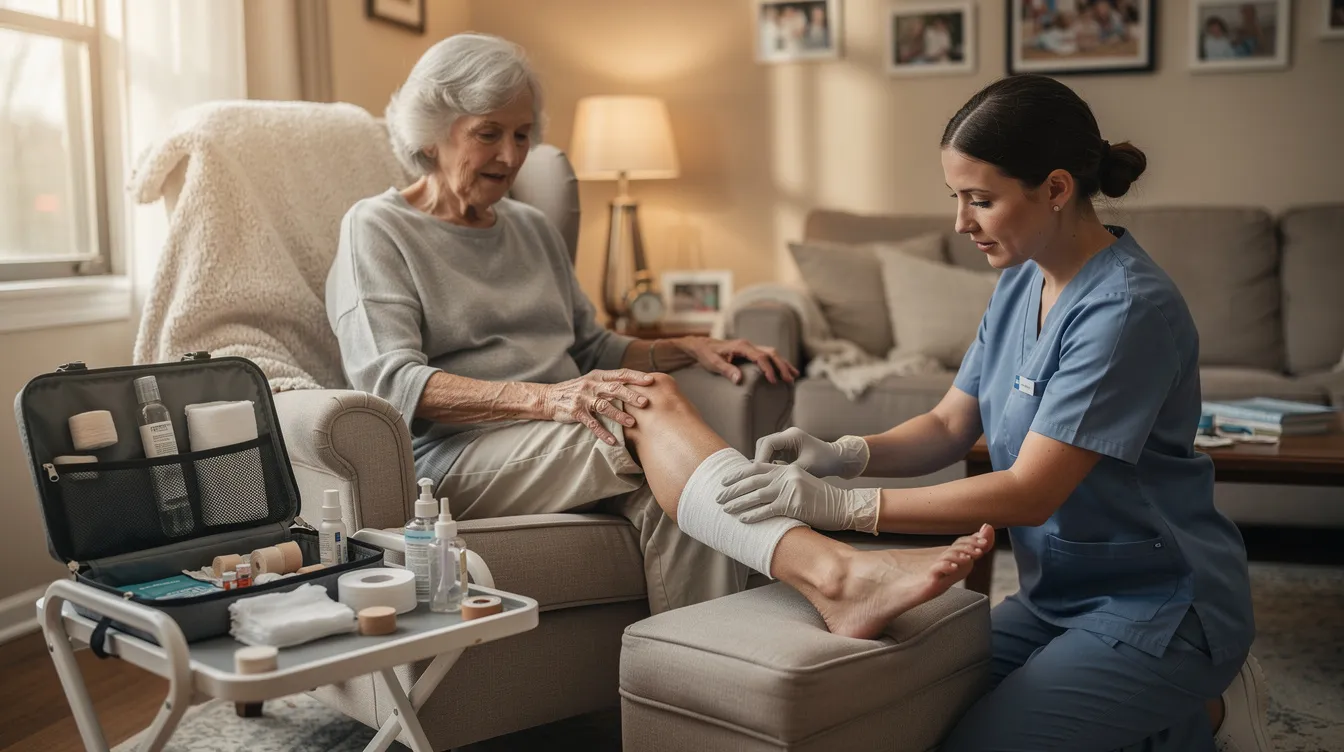
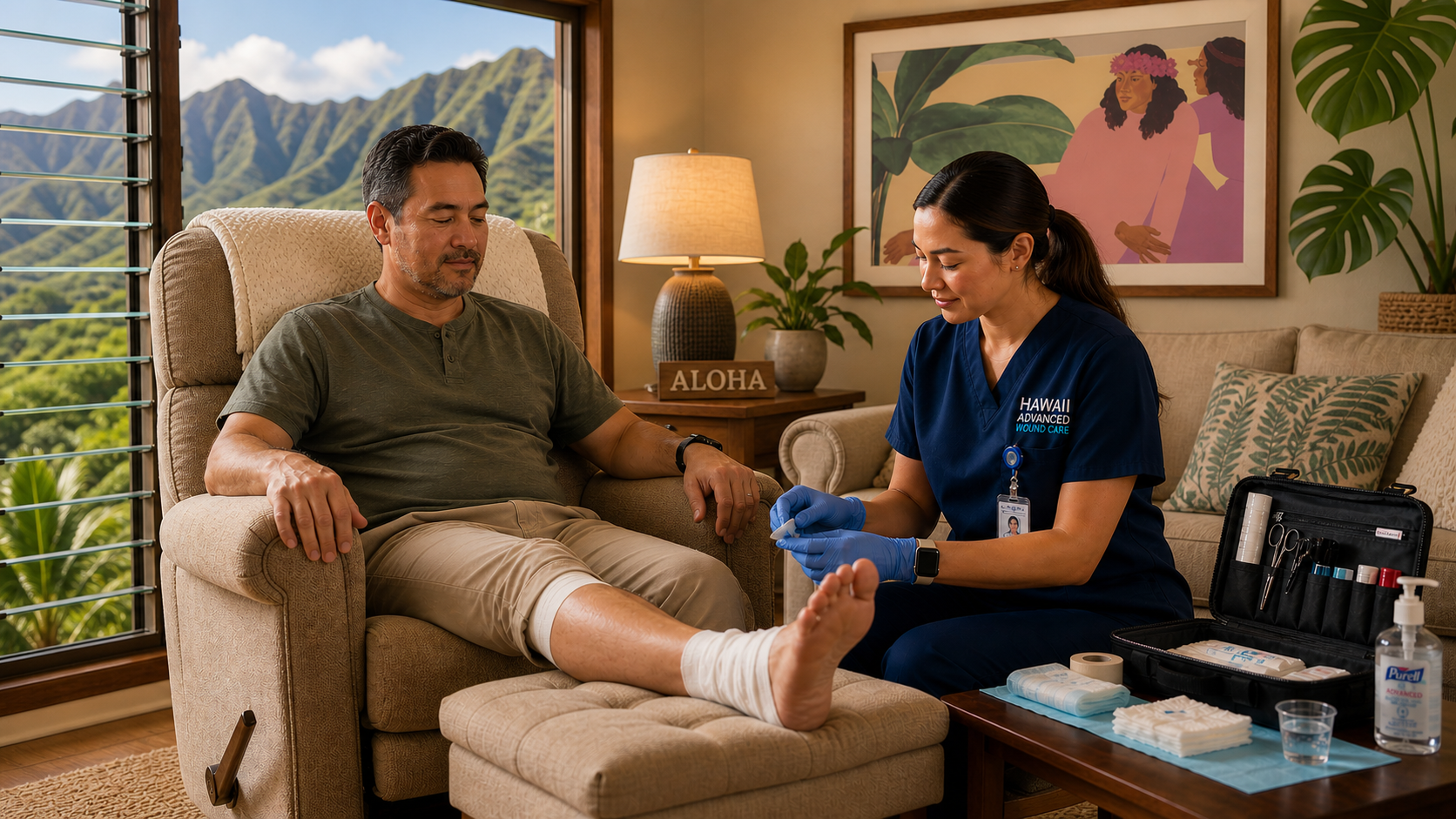
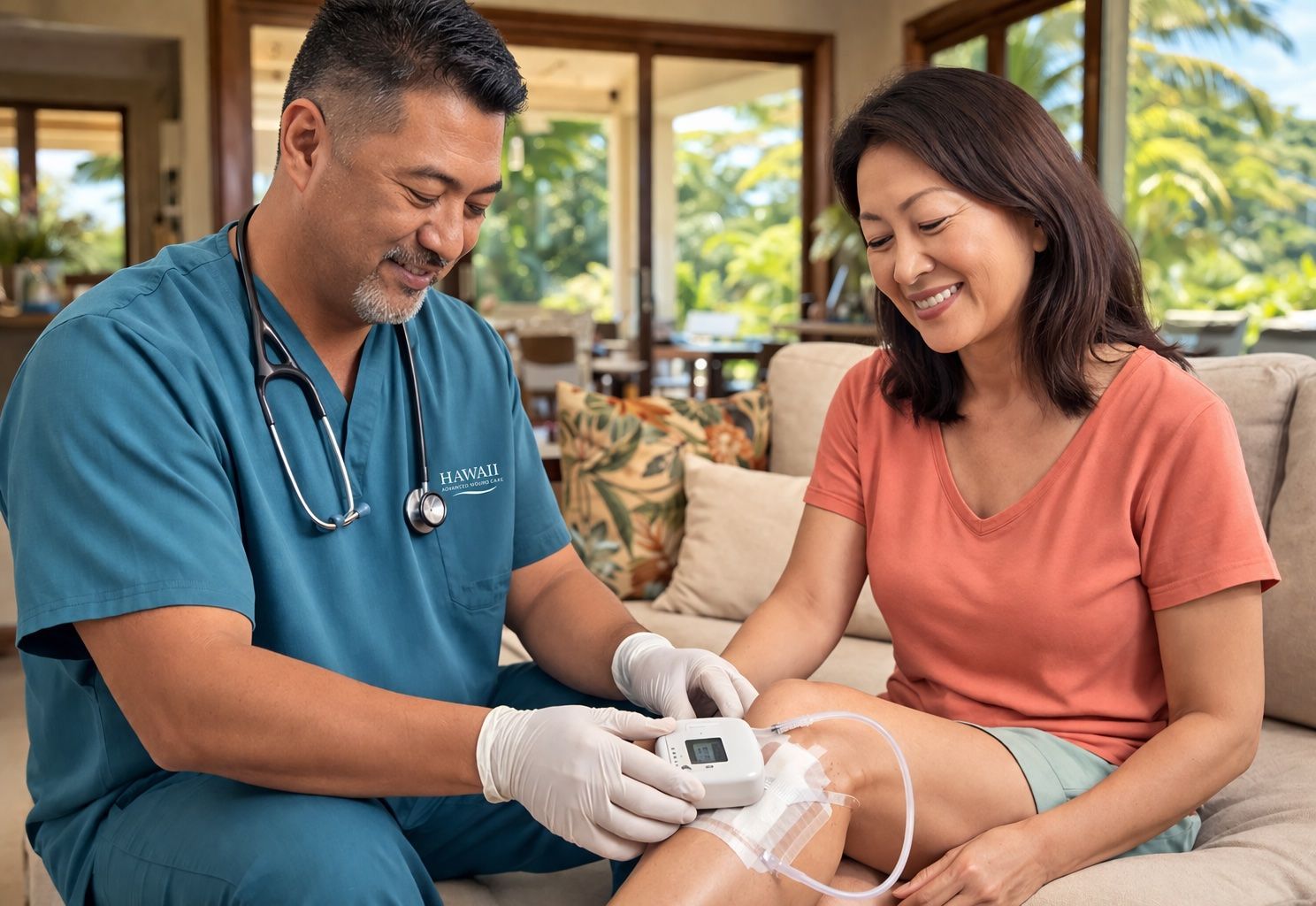
Hawaii Advanced Wound Care is the only mobile wound care clinic in the state. Based at 101 Aupuni Street, Suite 320, Hilo, HI 96720, this dedicated operation brings hospital-level treatment directly to patients in their homes or facilities, while some providers such as Aloha Wound Care operate through outpatient wound centers. Their expert mobile wound care services across Hawaii focus on faster healing, reduced readmissions, and lower infection risk. Skilled nursing services for wound care can be delivered in-home by wound care specialists, and that is exactly the approach this team takes-a commitment to meeting patients where they are, not where it is convenient for a hospital department, with the added benefit of helping reduce avoidable hospitalizations for chronic wound patients.
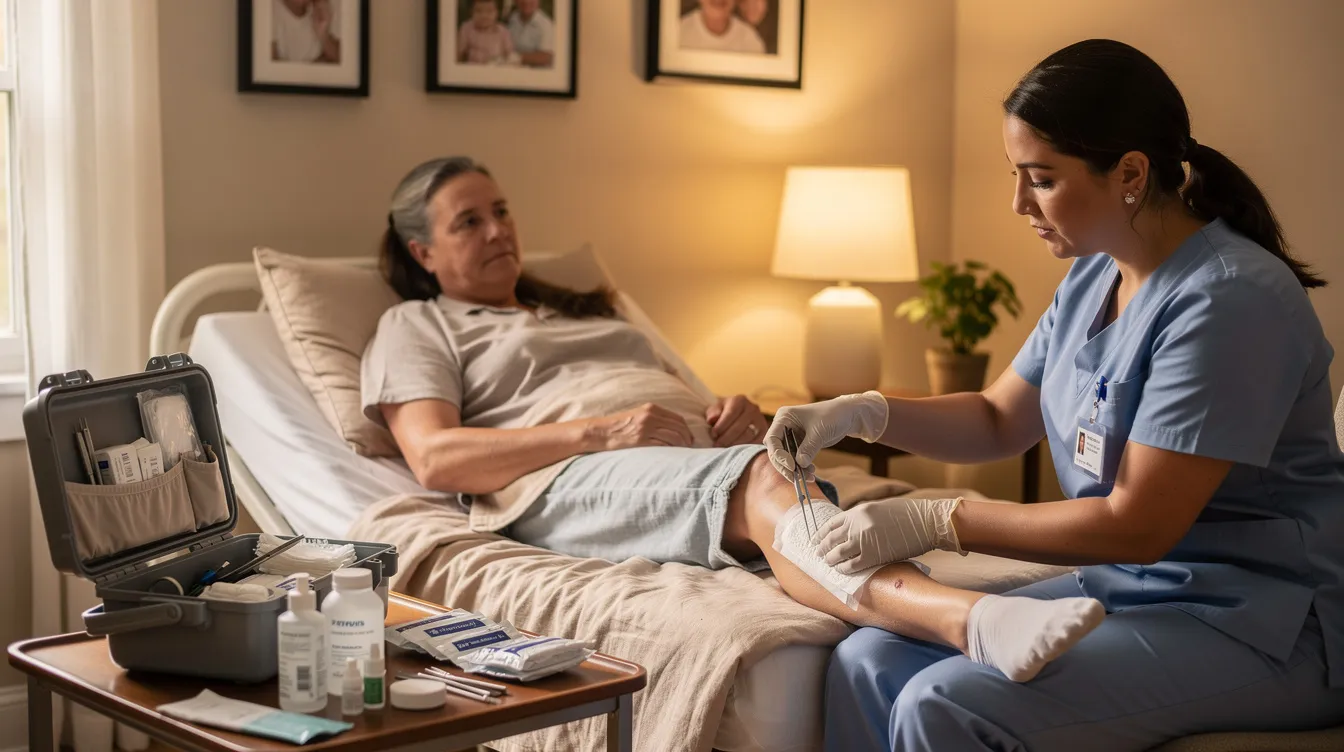
The In-Home Wound Evaluation
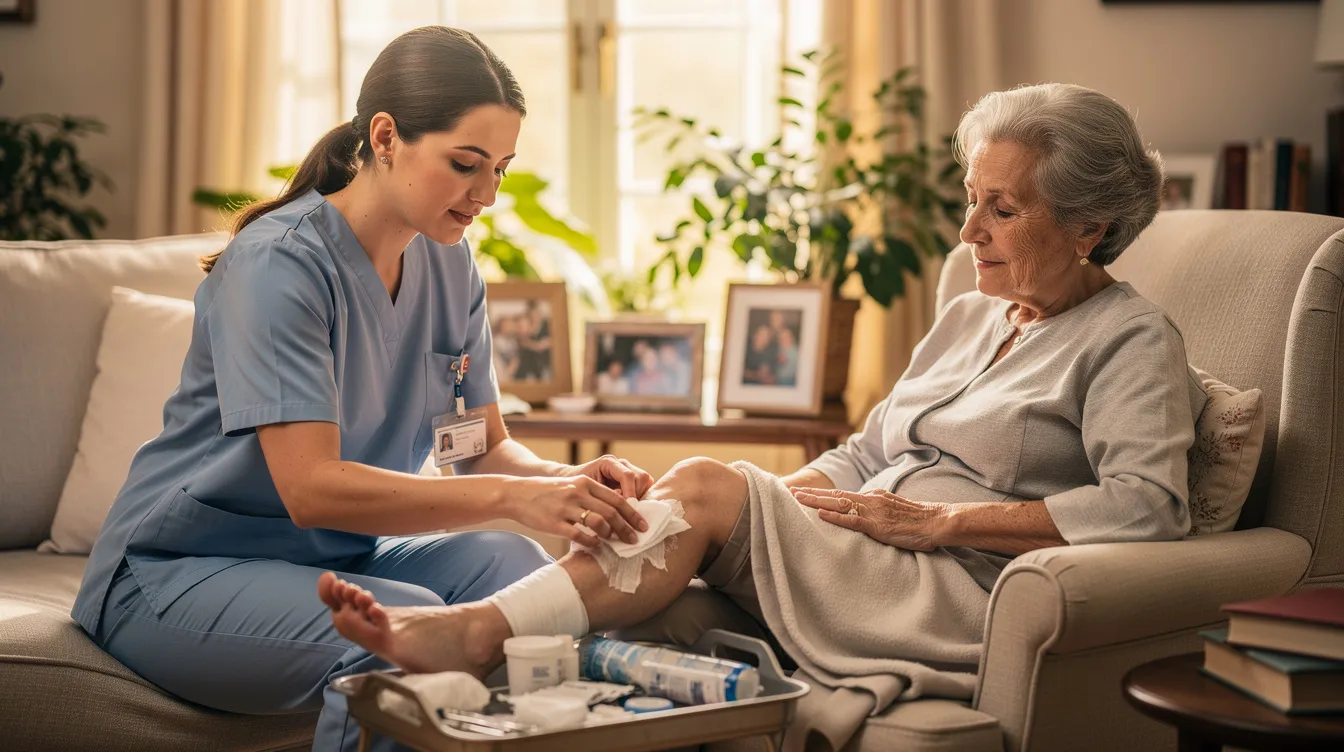
During the first visit, a registered nurse specializing in wound care comes to the home to perform a thorough assessment, and the initial in-home wound evaluation typically takes 60 to 90 minutes of focused time. This includes measuring the wound's size and depth, evaluating drainage and infection signs, reviewing current supplies, and updating orders as needed as part of comprehensive in-home wound care services. This is comprehensive wound care delivered with the same focus and precision you would expect at a facility-without the travel.
Wounds Treated In-Home
The types of wounds commonly treated include a wide range of conditions addressed through expert mobile wound care for burns, ulcers, and more:
- Diabetic foot ulcers and neuropathic ulcers
- Pressure ulcers from limited mobility
- Venous and arterial ulcers
- Non healing post-surgical wounds
- Complex skin graft sites requiring close monitoring
- Partial-thickness burns and traumatic wounds that have failed to heal
Supply Coordination
The nurse determines exactly which dressings, compression products, and topical treatments are appropriate, then helps arrange delivery or pickup through local pharmacies, licensed DME suppliers, or mail-order sources. Patients or caregivers can contact the office to find provider information or report directory issues, and updates may be shared by fax when needed. Hawaii maintains a statewide registry of licensed durable medical equipment suppliers, and consultation for specialized wound care products can be found through the state-regulated DME supplier directory. This coordinated care approach ensures patients receive the right products without the search and guesswork.
Infection Control
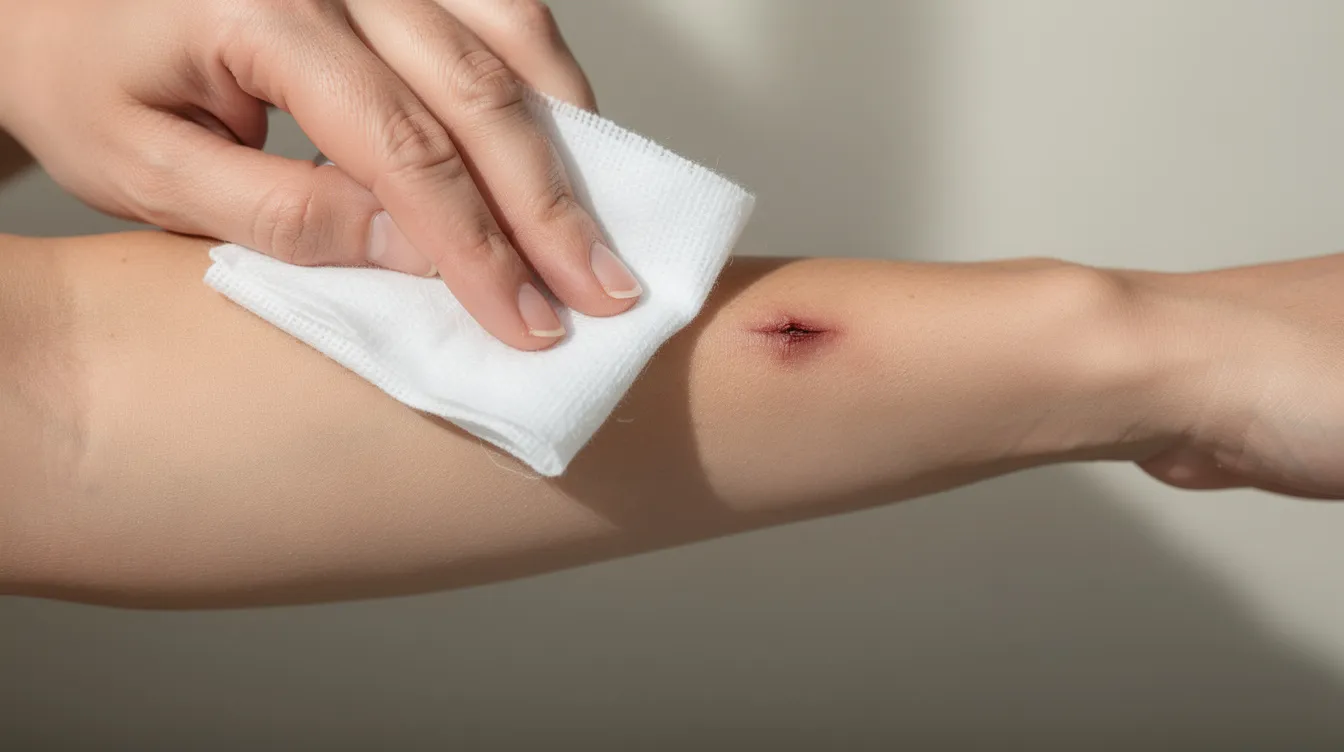
Infection control is crucial for effective wound management. Every visit follows sterile technique, uses proper wound cleansing solutions, and applies topical antibiotics when ordered by physicians. Clear written instructions are provided for caregivers to follow between visits-this continuity is what separates professional wound management from simply changing a bandage.
Follow-Up Across the Islands
Hawaii Advanced Wound Care follows patients using a combination of in-person visits and telehealth check-ins to adjust supplies and care plans without unnecessary travel. Their model of effective in-home wound care for ongoing treatment needs helps patients stay on track between visits. This approach covers the islands efficiently, and the team is expanding services to ensure broader access for patients statewide.
The results speak for themselves. Mobile wound care achieves healing rates of 80–95%, and in-home care reduces hospital readmissions by 40%. Mobile wound care provides hospital-level treatment at home, and mobile wound care eliminates travel stress for patients-a real concern for anyone living in remote areas of the Big Island or on smaller islands like Molokai or Lanai.
Ready to start? Call (808) 258-1298 or visit hawaiiadvancedwoundcare.com to check if your Hawaii location is covered and schedule a mobile visit.
Choosing the Right Wound Care Supplies vs. When to Call a Specialist
Families can handle certain basic wound care at home. But for chronic or complex wounds, professional guidance changes outcomes dramatically, allowing patients and caregivers to follow a more precise plan, and wound resolution rates can reach 80–95% with specialized care, compared to far lower rates with generic over-the-counter products alone; the care team is committed to matching supplies to wound complexity.
When Basic Supplies May Be Enough
- Small, shallow cuts that close within a week
- Minor burns without blistering
- Simple scrapes in a person without underlying conditions like diabetes
Red Flags That Require a Specialist
Call Hawaii Advanced Wound Care or another wound care provider if you notice:
- A wound older than four weeks that is not improving
- Increasing pain, foul odor, or new drainage
- Spreading redness, warmth, or fever
- Black or necrotic tissue in or around the wound
Diabetic wounds, pressure ulcers, radiation injuries, and non healing surgical sites almost always require specialists who specialize in these complex wound types and in matching advanced therapies and carefully chosen supplies to them rather than relying on generic dressings. These are the wounds where working with specialists changes the recovery journey.
Home treatment lowers risk of healthcare-associated infections compared to repeated clinic or hospital visits, and a mobile wound nurse in Hawaii means fewer trips from rural areas and more precise use of advanced supplies such as biologic graft materials. The safest approach for serious wounds is to let a specialist design the supply list and schedule while patients and caregivers focus on following the care plan at home, in the comfort of their own environment.
Frequently Asked Questions about Wound Care Supplies and Mobile Wound Care in Hawaii
Below are common questions that patients and families across Hawaii ask about wound care supplies and in-home services, many of which are also addressed in our mobile wound care FAQs and patient guidance.
Do I need a prescription to get advanced wound care supplies in Hawaii?
Yes, advanced wound care supplies typically require a prescription or referral from a healthcare provider. Hawaii Advanced Wound Care works with your physician to ensure you receive the appropriate medical equipment and tailored supplies needed for your wound healing.
Can Hawaii Advanced Wound Care help if I already have supplies but my wound is not healing?
Absolutely. Our specialists can assess your wound's progress, discuss your current supplies, and recommend advanced modalities or adjustments to your care plan to improve healing outcomes.
Which islands can receive mobile wound care and supply coordination?
We serve patients across the Hawaiian Islands, including Oahu, Maui, Kauai, and the Big Island. Please contact us to confirm if your specific location is covered. Patients looking for related support may also ask about wound, ostomy, and continence services when confirming island coverage.
How often will my wound dressings need to be changed?
Dressing change frequency depends on the wound type, drainage level, and treatment plan. Our wound care specialists provide education and instructions tailored to your wound's needs, ensuring optimal progress and infection control.
How do I get started with mobile wound care in Hawaii?
The first step is to request a wound evaluation by contacting Hawaii Advanced Wound Care at (808) 258-1298 or through our website. We will verify your insurance coverage, discuss your wound care needs, and schedule your in-home visit promptly through Hawaii Advanced Wound Care, LLC.
Ready to Heal with Hawaii Advanced Wound Care?
Don’t let your wound care journey be slowed down by travel or limited access to specialized supplies. Hawaii Advanced Wound Care brings expert, hospital-grade wound treatment and supplies directly to your home, wherever you are in the islands. Experience compassionate, comprehensive care tailored to your unique needs — all without leaving your doorstep.
Take the first step toward faster healing and greater comfort. Call us today at
(808) 258-1298, use our
contact page to reach Hawaii Advanced Wound Care, or visit
hawaiiadvancedwoundcare.com to schedule your in-home wound evaluation. Your path to recovery starts here, with care that comes to you.
Recent Posts