The Four Phases of Healing: How Wounds Repair Themselves (and When to Get Help in Hawaii)
Your body is remarkably good at fixing itself. From the moment skin breaks, a coordinated sequence of biological events kicks in to stop bleeding, fight infection, rebuild tissue, and restore strength. But not every wound follows the script. Here is what actually happens during each phase-and what to do when healing stalls.
Key Takeaways
- The healing process features four main phases: hemostasis, inflammation, proliferation, and remodeling. These healing phases overlap rather than switching on and off in a clean sequence.
- Small, simple wounds often complete all four stages on their own. Chronic wounds-those lasting longer than 4–6 weeks-can get stuck in one phase and typically need professional wound care.
- Normal wound healing looks different at each stage: a clot and scab during hemostasis, redness and swelling during inflammation, pink granulation tissue during proliferation, and a gradually fading scar during maturation. When those signs worsen instead of improving, something is wrong.
- Factors affecting wound healing include diabetes, poor circulation, wound infection, sustained pressure, and smoking-conditions especially common among homebound and older adults in Hawaii.
- Hawaii Advanced Wound Care is a mobile, in-home wound care service based on the Big Island (and expanding across Hawaii) that helps people with chronic or hard-to-heal wounds move safely through all four healing stages.
Understanding the Four Stages of Wound Healing
The wound healing process describes how the body repairs skin and underlying tissues after an injury or surgery. It unfolds across four stages of wound healing-hemostasis, inflammation, proliferation, and maturation-each with a specific role in restoring damaged tissue. Together, these phases stop bleeding, clear out bacteria, rebuild new tissue, and strengthen the final area.
Older references sometimes grouped the process into three stages, but hemostasis (blood clotting) is now widely recognized as its own distinct first phase, bringing the total to four.
These wound healing phases overlap. A wound site may show signs of two stages at once, so rigid timelines are only guidelines. Normal acute wounds move through the stages in an orderly way, while chronic wounds can stall, regress, or cycle back to inflammation.
Here is a quick overview of each stage:
- Hemostasis phase – The body stops bleeding by constricting blood vessels and forming a clot.
- Inflammatory phase – White blood cells flood the area to clean debris and fight bacteria.
- Proliferative phase – Fibroblasts and endothelial cells build granulation tissue and new skin.
- Maturation (remodeling) phase – Collagen fibers reorganize and the scar strengthens over months.
Stage 1 – Hemostasis Phase (Stopping the Bleeding)
The hemostasis stage is the body's immediate response to tissue injury. Its goal is simple: stop bleeding and seal broken blood vessels. Platelets start gathering at the wound within seconds of injury, and hemostasis begins within half an hour. Blood vessels constrict to reduce blood loss, and platelets bind together with fibrin to create a stable clot. A full clot usually forms within a few minutes, acting as a temporary barrier that protects the wound surface and forms the base for later tissue repair.
For superficial cuts, blood clotting wraps up quickly. Deeper wounds or surgical sites can have ongoing clot stabilization, and hemostasis can take up to two days to complete in those cases.
What you can do at home: Apply firm, clean pressure, elevate the injured area if possible, and keep the wound covered. If bleeding persists beyond 10–15 minutes or is spurting, seek urgent medical care.
People on blood thinners, with clotting disorders, or with liver disease may experience delayed hemostasis and should be extra cautious about further blood loss. Smooth muscle cells in vessel walls play a key role in vasoconstriction, and when that response is impaired, even minor injuries can become concerning.
Stage 2 – Inflammatory Phase (Cleaning and Protecting the Wound)
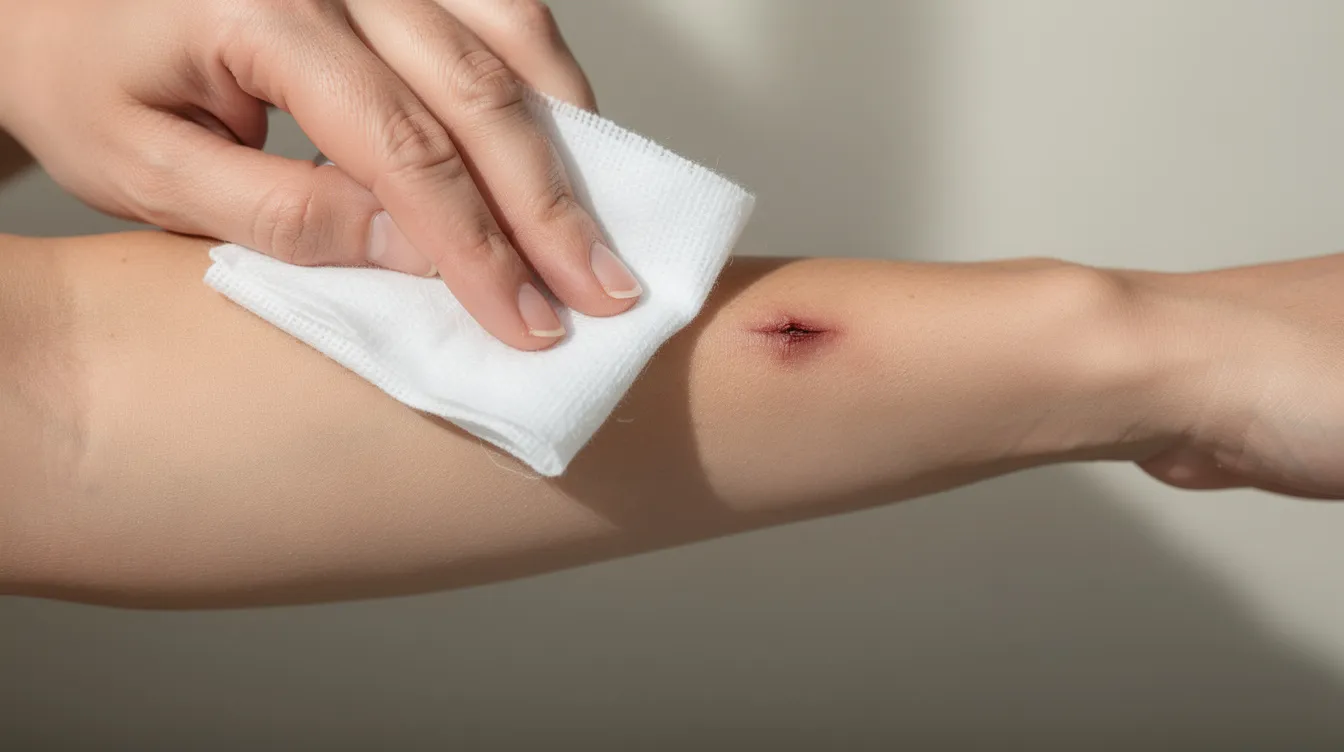
The inflammatory stage is the body's clean-up and defense system. Inflammation begins within 24 hours after an injury as blood vessels dilate and increase permeability. This allows inflammatory cells, enzymes, and growth factors-including transforming growth factor and platelet derived growth factor-to rush into the wound site. The inflammatory stage lasts about 4–6 days in uncomplicated wounds.
Neutrophils are the first responders in inflammation, arriving early to phagocytose bacteria and damaged cells. Macrophages take over from about day two to five, clearing debris and releasing cytokines that signal the transition to tissue regeneration.
Signs of inflammation include redness, swelling, and warmth around the wound. Mild soreness is normal. These are expected parts of primary healing-not signs that something has gone wrong.
When to worry: Redness that spreads outward, increasing pain after the first few days, foul odor, or pus suggest an infected wound where the inflammatory phase is not resolving properly. Fever or red streaks moving up a limb require prompt medical attention.
In Hawaii's warm, humid climate, increased blood flow to exposed skin and frequent barefoot walking or ocean contact can raise wound infection risk. Keep the wound clean with gentle saline or mild soap, use appropriate dressings, and avoid harsh antiseptics that destroy healthy skin cells along with bacteria.
Stage 3 – Proliferative Phase (Granulation Tissue and New Skin)
The proliferative phase is the rebuilding stage. Proliferation begins around day 3 and can last several weeks, during which new tissue forms to fill the wound bed. More precisely, proliferation lasts between 4 to 24 days after injury depending on wound size and depth.
Granulation tissue forms during the proliferation phase-it is the moist, bumpy, pink to bright red tissue that fills the wound from the bottom up. This tissue is rich in new blood vessels form through angiogenesis, and an extracellular matrix made of collagen and other proteins provides structural scaffolding. Fibroblasts produce collagen during the proliferation phase, laying down new connective tissue. Epithelial cells migrate across the wound during proliferation, gradually covering the wound edges to restore skin integrity.
Healthy granulation tissue looks moist, slightly uneven, and pink to red. Unhealthy tissue appears dark, gray, pale, or has a foul odor-often connected to infection, sustained pressure, or poor blood flow.
Wound contraction occurs during this stage as well, pulling wound edges closer together and reducing the wound surface area.
What this phase needs most:
- Moisture balance-not too wet (which causes maceration), not too dry
- Adequate oxygenation from healthy blood flow
- Protection from trauma or shear forces
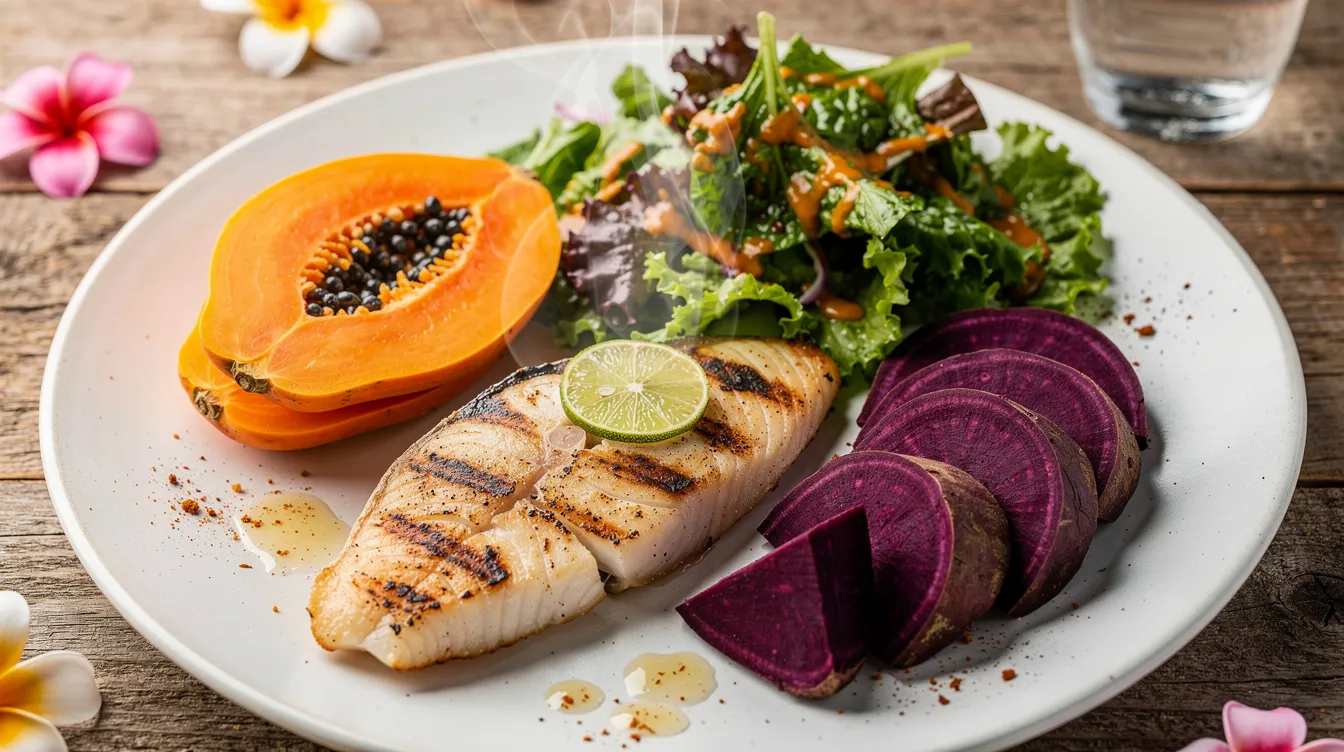
- A balanced diet rich in protein, vitamin C, and zinc
In chronic wounds, inadequate or fragile granulation tissue often signals the wound is stuck between inflammation and proliferation and may benefit from advanced debridement or specialized dressings, including negative pressure wound therapy.
Stage 4 – Maturation Phase (Collagen Remodeling and Scarring)
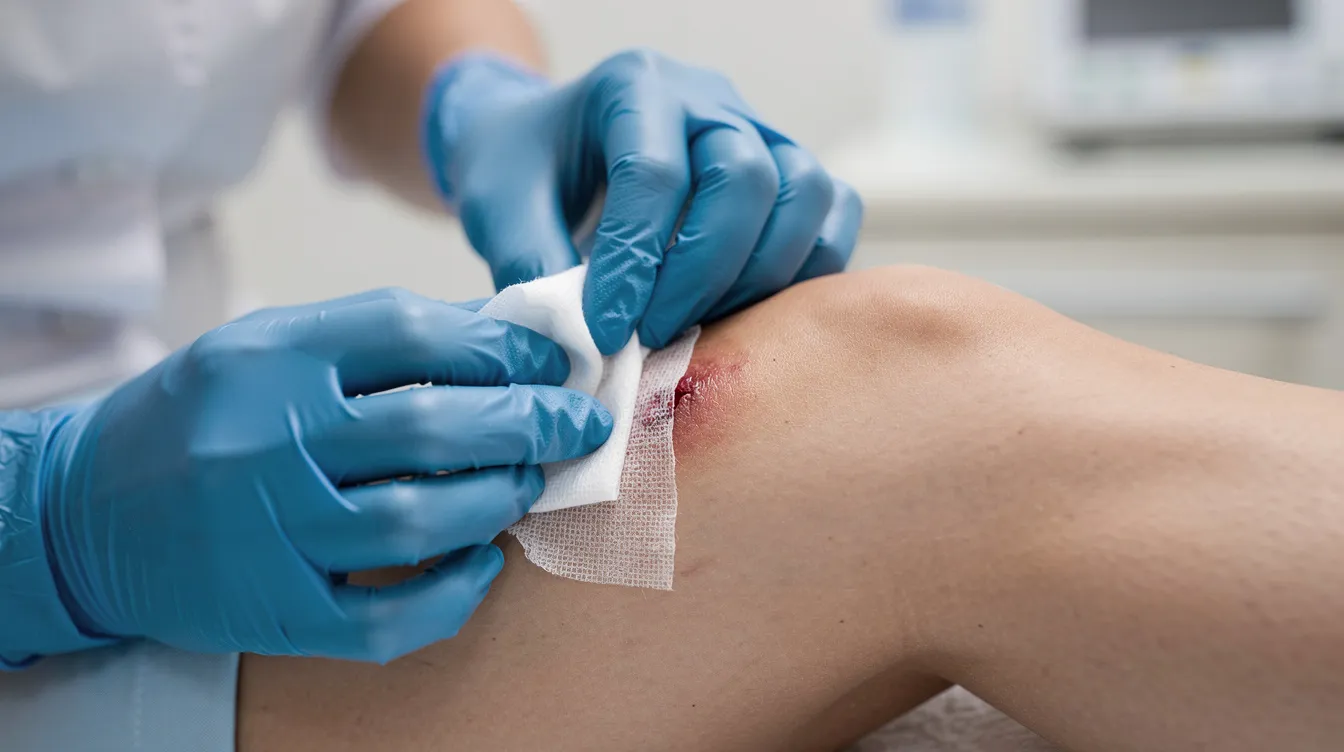
The maturation phase-also called the remodeling stage-is the final stage of cutaneous wound healing. The remodeling phase begins around 21 days after injury and can extend for months. Remodeling can take up to a year to complete, and in some cases up to two years for deep or extensive wounds.
Collagen remodeling occurs during the final stage of healing. The type III collagen laid down during proliferation is gradually replaced by stronger type I collagen. Collagen fibers realign along tension lines of mechanical stress, and unnecessary blood cells and fibroblasts undergo apoptosis. The result: scar tissue becomes flatter, paler, and less noticeable over time through this maturation process.
Scar formation is a natural part of the remodeling process. However, even after full collagen remodeling, healed skin reaches only about 70–80% of its original tensile strength, so previously injured areas remain slightly more fragile.
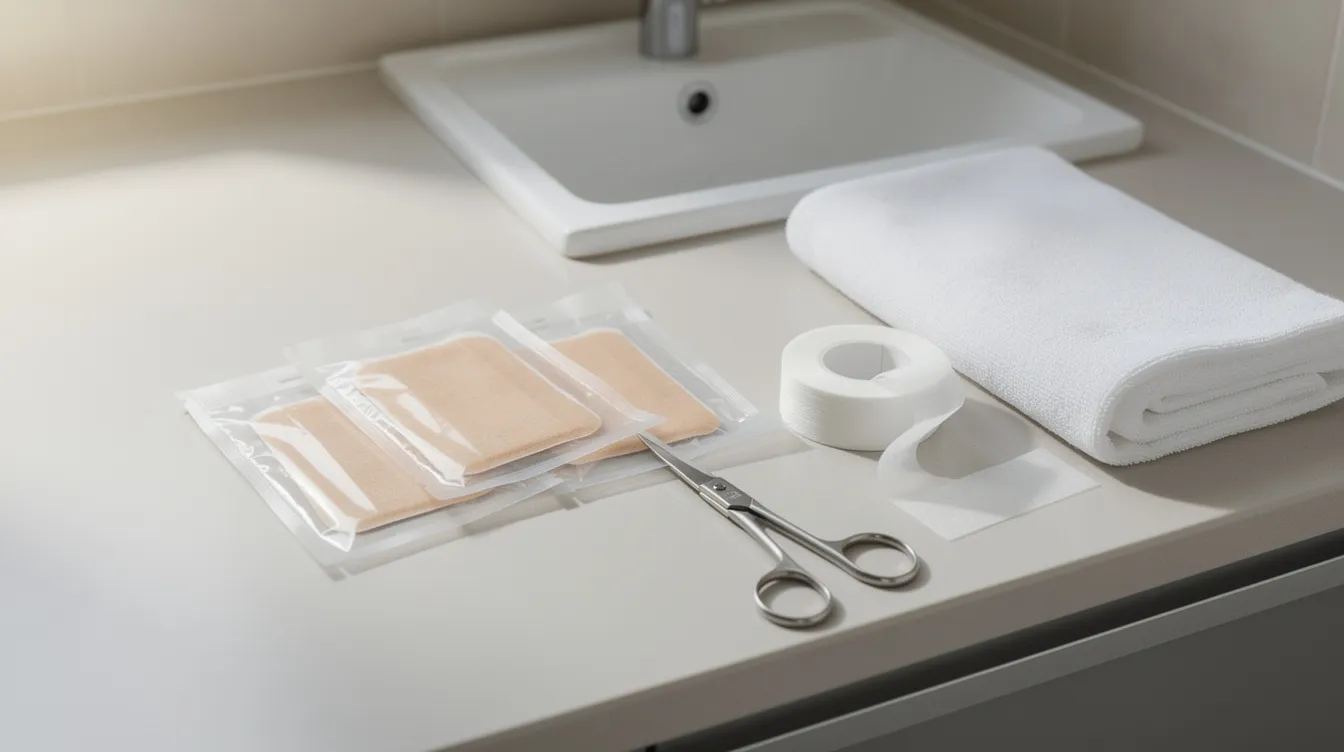
Problematic scars-hypertrophic and keloid scars caused by excess collagen buildup-are more common in individuals with darker skin tones, including many people in Hawaii. Specialized care such as silicone sheets, pressure therapy, or topical treatments can reduce symptoms like itching and tightness.
Scar appearance often continues to improve for 12–24 months. In Hawaii's climate, sun protection with high-SPF sunscreen or clothing is crucial to prevent scar discoloration during the remodeling phase.
When a Wound Becomes "Chronic": Warning Signs and Risk Factors
A chronic wound fails to progress through the normal wound healing stages in an orderly way and typically has not healed within 4–6 weeks despite basic care. Common types include diabetic foot ulcers, venous leg ulcers, pressure sores from limited mobility, and non-healing surgical or traumatic wounds.
Chronic wounds often get stuck in the inflammatory phase, with persistent redness, drainage, and failure to form healthy granulation tissue. Several external patient conditions and systemic issues drive this:
- Poor circulation (peripheral arterial or venous disease)
- Uncontrolled diabetes and impaired immune function
- Smoking and malnutrition
- Repeated pressure or friction on the wound
- Ongoing infection or biofilm formation
Red flags to watch for: No visible improvement in 1–2 weeks, increasing wound size, black or necrotic tissue, strong odor, worsening pain, or systemic signs like fever and chills.
In Hawaii, limited transportation and distance from clinics-especially on the Big Island, where 30–90 minute drives are common-make timely wound management harder. Overall health, nutrition, and blood supply significantly influence the healing process, and delays in care raise the risk of hospitalization or amputation.
How Professional Wound Care Supports Each Healing Stage
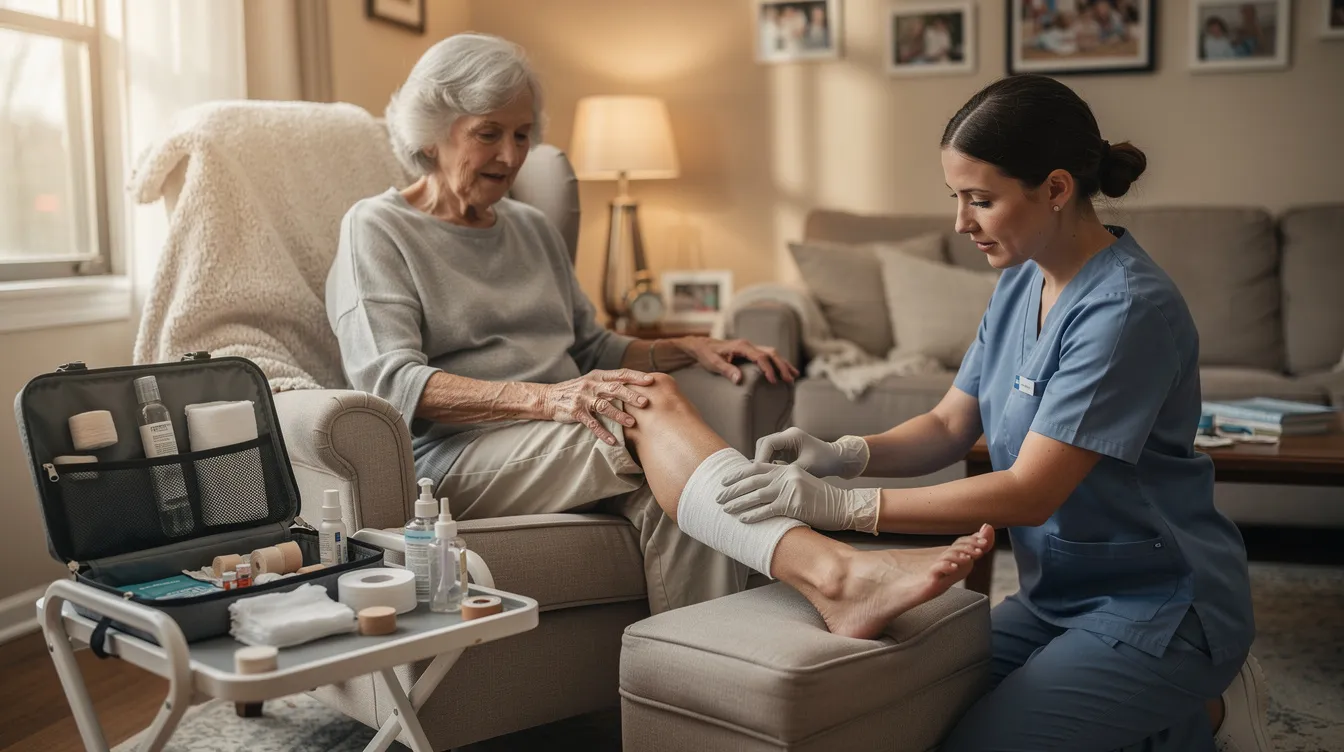
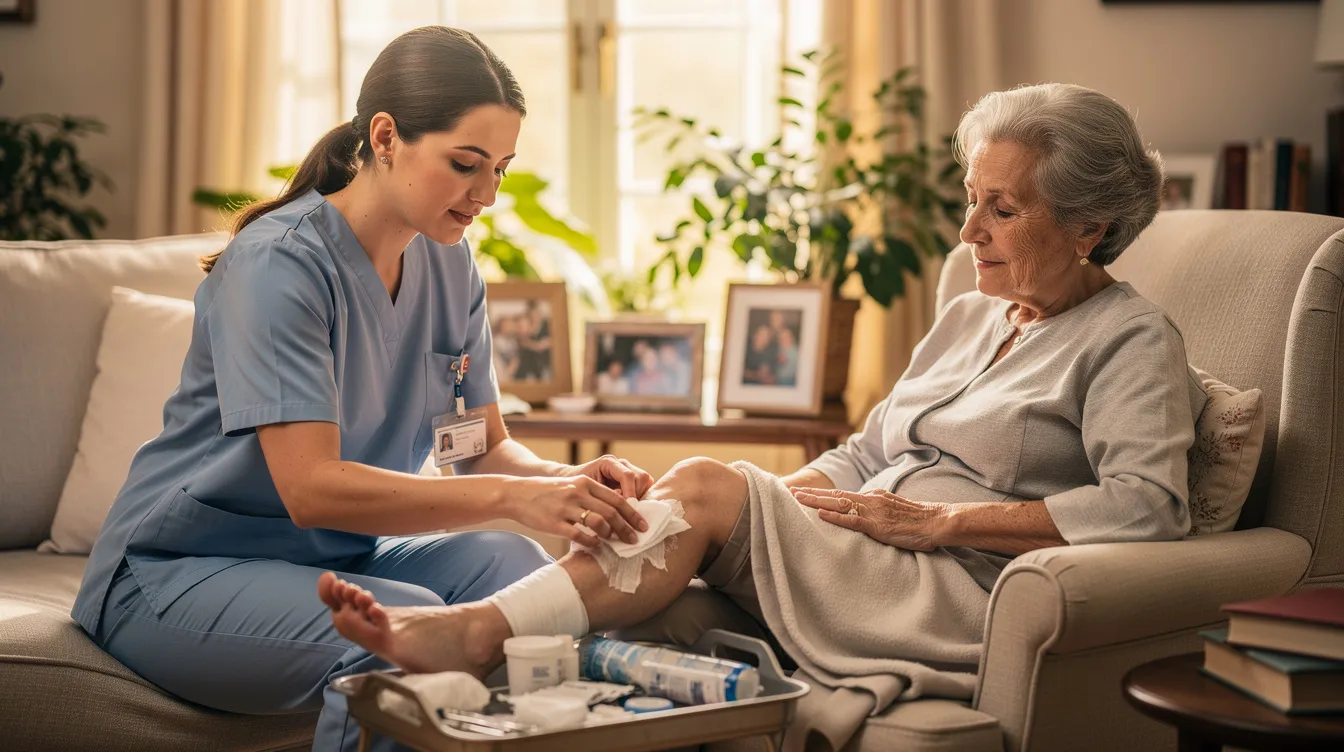
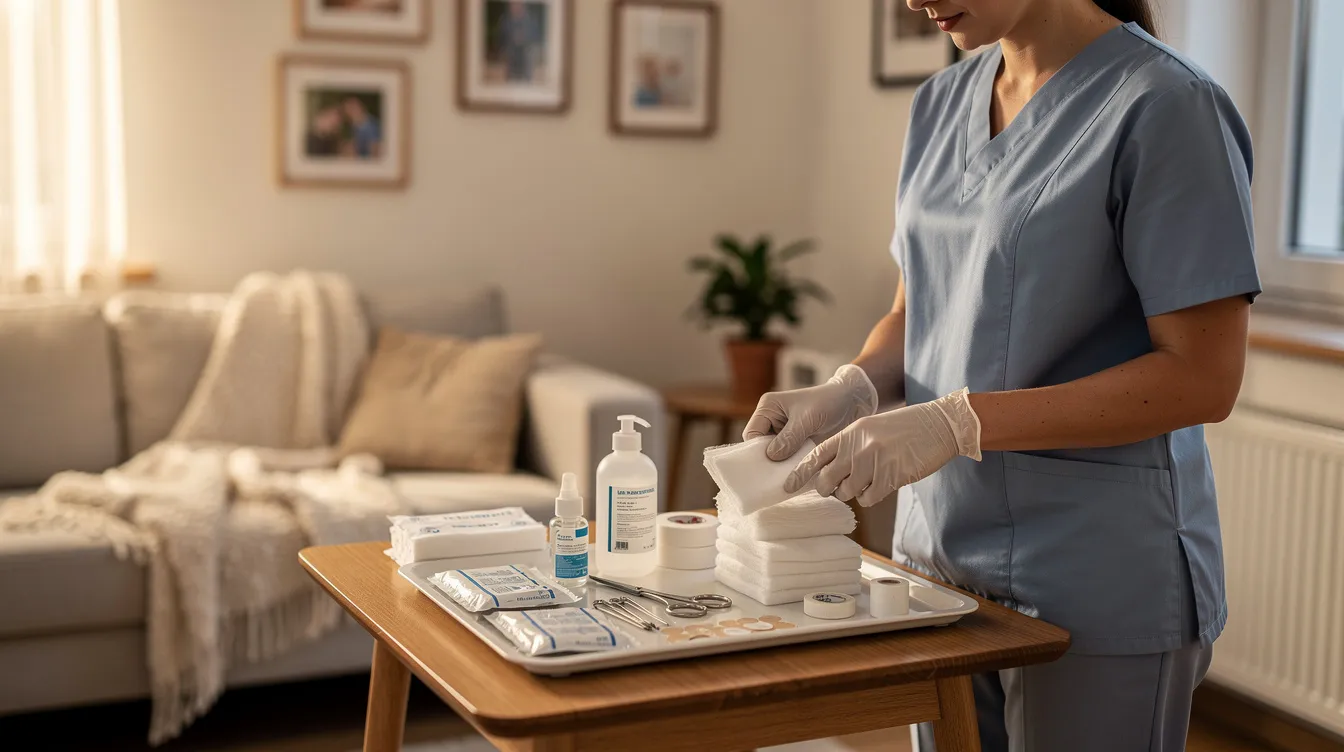
Specialized wound care aims to "unstick" stalled wounds and promote healing through every phase. A wound care nurse assesses blood flow, manages wound infection, performs wound cleansing and debridement, selects moisture-balancing dressings, and applies compression for venous disease or offloading for pressure injuries.
Professional care reduces chronic wound risks by controlling bacterial load, disrupting biofilm, and optimizing the wound bed so new blood vessels and granulation tissue can develop. During the remodeling phase, a specialist monitors collagen remodeling and scar formation to prevent complications.
A wound expert also evaluates systemic factors affecting wound healing-blood sugar control, nutrition, medications, immune system status-and coordinates with primary care when needed. For example, a leg ulcer that has been open for months may finally begin healing properly once compression, edema control, and infection treatment allow secondary healing and healthy tissue regeneration to proceed.
Early involvement of a wound specialist often shortens healing time, reduces pain, and lowers the chance of hospitalization.
Hawaii Advanced Wound Care: In-Home Support for Chronic and Difficult Wounds
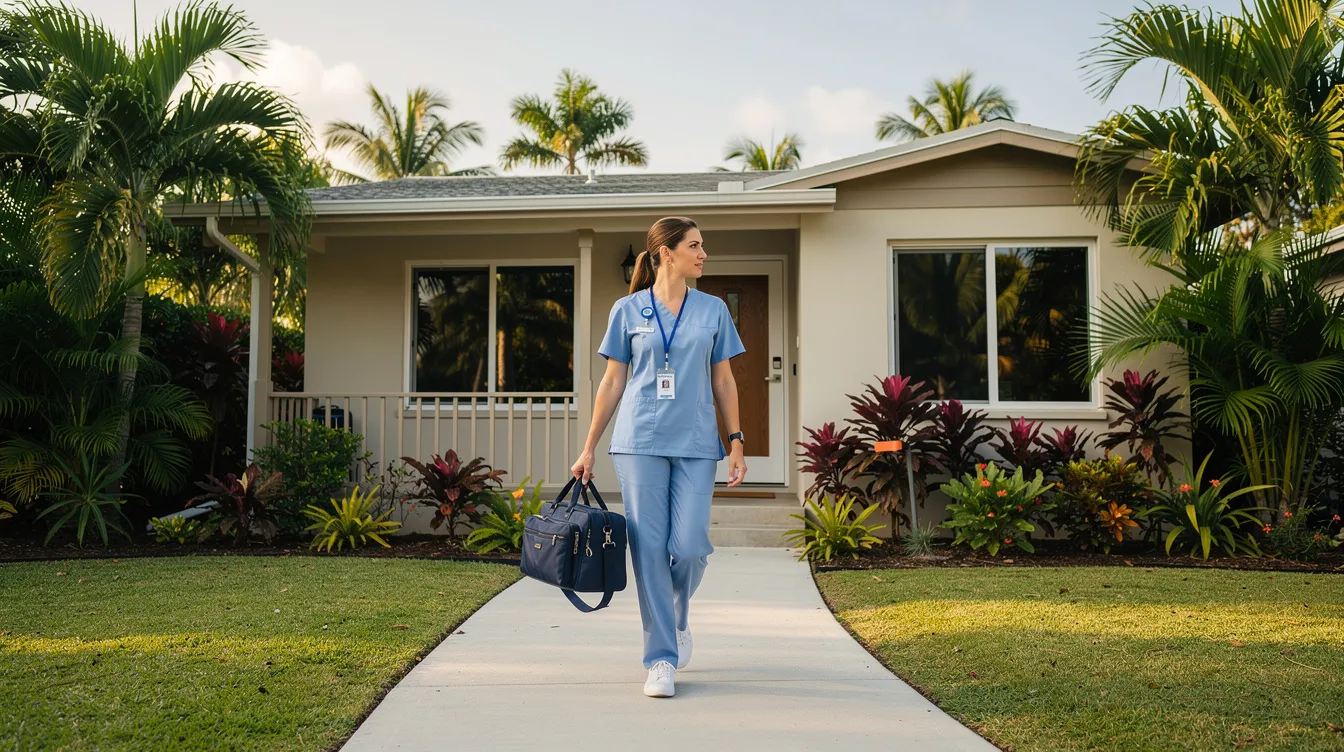
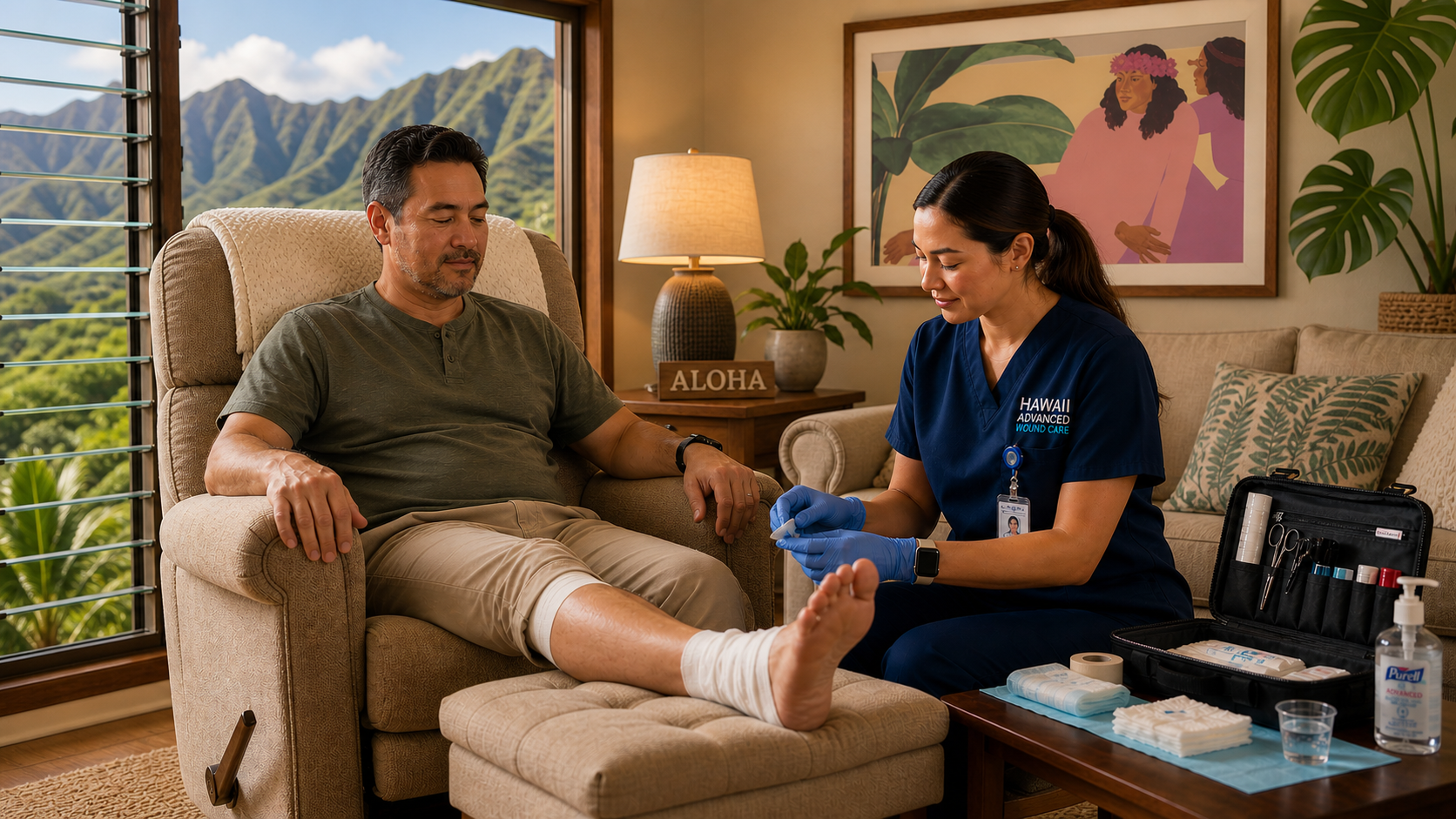
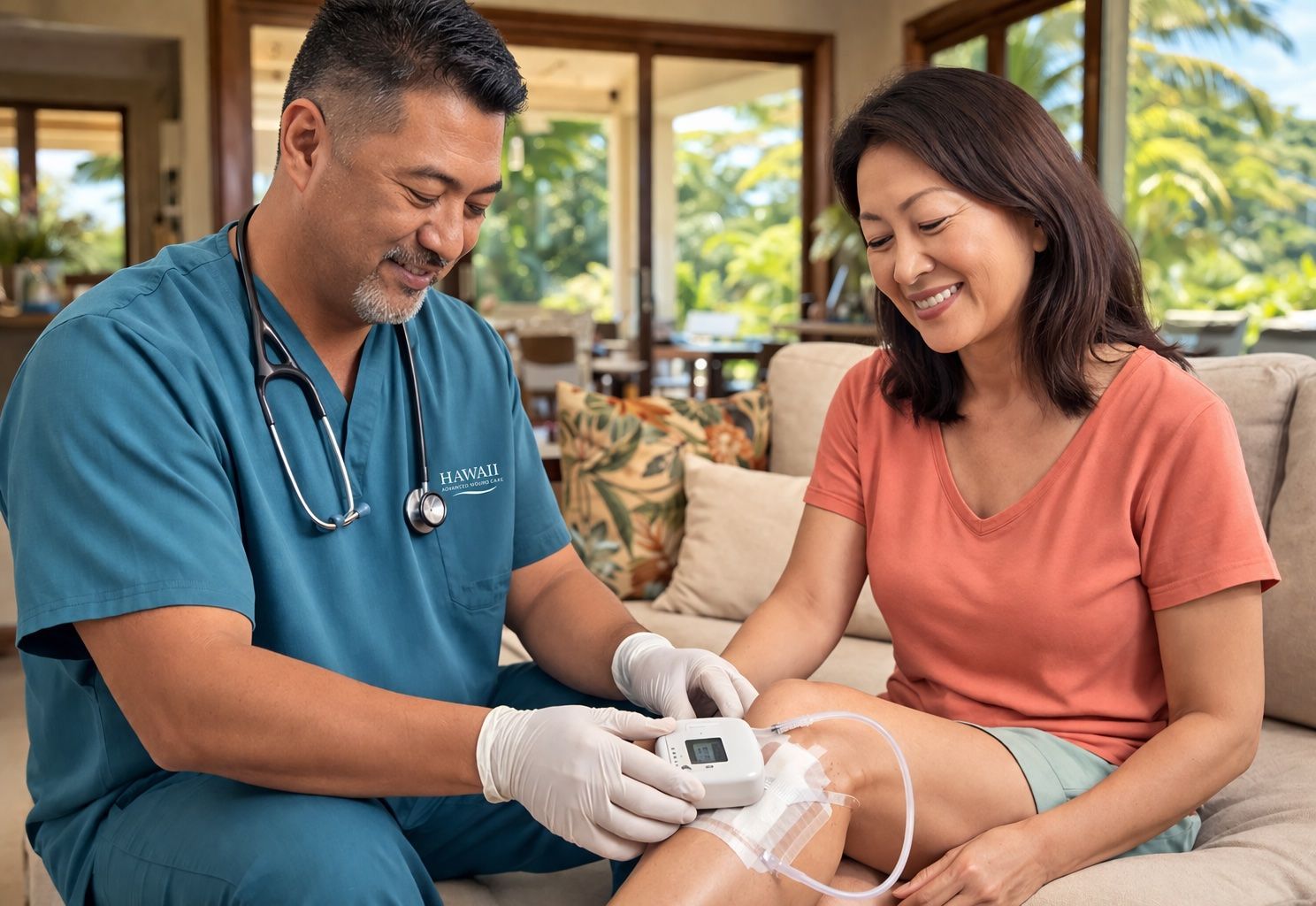
Hawaii Advanced Wound Care is a locally owned mobile wound care service based in Hilo, providing in-home visits by a registered nurse specializing in advanced wound management. It is currently the only mobile wound care clinic in the state.
Services aligned with the four stages include:
- Detailed wound assessment and identification of stalled healing stages
- Debridement of necrotic tissue when appropriate
- Selection and application of advanced dressings to promote optimal wound healing
- Compression therapy for venous ulcers
- Offloading and pressure-relief strategies for pressure sores and diabetic foot wounds
The nurse monitors how each wound progresses through the healing stages, watching for healthy granulation tissue, proper wound contraction, and early signs of problems so the care plan can be adjusted promptly.
For Hawaii residents, this mobile model means avoiding long drives from rural areas, reducing caregiver burden, and receiving proper wound care in a familiar home environment.
Schedule a mobile wound care visit by calling (808) 258-1298 or visiting hawaiiadvancedwoundcare.com. Services currently cover the Big Island and are expanding across the Hawaiian Islands-check your location for availability.

Practical Tips to Support Healing at Home (Without Delaying Needed Care)
Good daily care at home supports each healing phase. Here are the essentials:
- Keep the wound clean with gentle saline or mild soap and keep it wound covered with appropriate dressings
- Eat a balanced diet rich in protein, fruits, vegetables, and adequate fluids-proper wound care in the early phases is crucial for a healthy recovery
- Quit smoking, move within safe limits, elevate legs to reduce swelling, and relieve pressure if sitting or lying in one position most of the day
- Avoid using harsh household antiseptics repeatedly on open wounds, leaving chronic wounds uncovered, or relying on home remedies alone for weeks while the wound worsens
When to call for help: If a wound has not noticeably improved within 1–2 weeks, or meets the chronic wound definition (not healed in 4–6 weeks), contact Hawaii Advanced Wound Care for an in-home assessment. Home care and professional wound repair work together-good daily care supports tissue repair, while a wound specialist guides treatment when the healing process is not on track.
Frequently Asked Questions About the Phases of Healing and Wound Care in Hawaii
How long should each healing stage last before I start worrying?
Typical timelines run roughly: hemostasis from minutes to hours, the inflammation stage about 4–6 days, the proliferation phase roughly 4–24 days, and the maturation stage from several weeks up to 1–2 years. Larger or deeper wounds take longer. If a wound shows no improvement after about 1–2 weeks, or is not significantly smaller or healthier looking by 4–6 weeks, it may be a chronic wound needing professional evaluation. Hawaii residents with slow-healing wounds can call Hawaii Advanced Wound Care at (808) 258-1298 for an in-home assessment.
What does healthy granulation tissue actually look like?
Healthy granulation tissue is moist, bumpy or "cobblestone" in texture, and pink to bright red in color. It is often slightly raised above the wound edges with small visible new blood vessels. Concerning appearances include dark brown, black, gray, yellow-green, or very pale tissue, or tissue that bleeds easily with a foul smell-which can indicate infection or poor blood flow. If you are unsure about how your wound looks, a mobile visit from Hawaii Advanced Wound Care lets a wound care nurse examine the tissue in person.
Can a wound move backward to an earlier phase of healing?
Yes. Wounds do not always progress in a straight line. New trauma, infection, or unrelieved pressure can push a wound that was in the proliferative phase-forming granulation tissue and new connective tissue-back into a more inflammatory state. Repeated setbacks increase the risk of a chronic wound, especially in people with diabetes, vascular disease, or limited mobility. One role of Hawaii Advanced Wound Care is to identify what is causing these setbacks and adjust the care plan at home to keep wound repair moving forward.
Do I always need a specialist, or can small wounds heal on their own?
Many small, shallow cuts and scrapes heal normally through all four stages with basic home care: cleaning, keeping the wound covered, and watching for wound infection. Professional wound care is most important for deeper wounds, surgical sites that reopen, diabetic foot wounds, leg ulcers, pressure sores, or any wound that is not clearly healing properly within 1–2 weeks. If you are unsure, it is appropriate to call Hawaii Advanced Wound Care-the nurse can help decide whether a full in-home wound care plan is needed.
How does mobile wound care in Hawaii work, and what should I expect at a visit?
A registered nurse travels to your home, performs a full wound and health assessment, and reviews medications, nutrition, and risk factors. The nurse then cleans, measures, and photographs the wound, develops a customized treatment plan, selects dressings, and teaches you and your family how to support each phase between visits. Care is coordinated with your primary care provider or specialists as needed. Contact Hawaii Advanced Wound Care at (808) 258-1298 or visit hawaiiadvancedwoundcare.com to check if your Big Island or other island location is currently served.
Recent Posts