Phases of Wound Healing: Understanding the Four Stages and When to Seek Help in Hawaii

June 12, 2026

Key Takeaways


  • Wound healing is a complex, 4-stage biological process: hemostasis, inflammation, proliferation, and maturation.
  • Normal wound healing phases overlap, but healthy progress usually includes less pain, less drainage, shrinking size, and pink granulation tissue.
  • Warning signs include no improvement after 2–4 weeks, odor, spreading redness, dark dead tissue, or an infected wound.
  • Hawaii Advanced Wound Care provides mobile wound care in Hilo and across the Big Island for chronic wounds, diabetic ulcers, pressure sores, surgical wounds, and complex wound management.
  • If your wound is not healing properly, call Hawaii Advanced Wound Care at (808) 258-1298 or visit https://www.hawaiiadvancedwoundcare.com/.

Introduction: How the Body Heals a Wound


Every cut, scrape, ulcer, or surgical incision moves through a predictable healing process. If you searched “phases of healing wound,” the key idea is this: the body uses coordinated biochemical processes to stop bleeding, prevent infection, rebuild new tissue, and strengthen scar tissue.


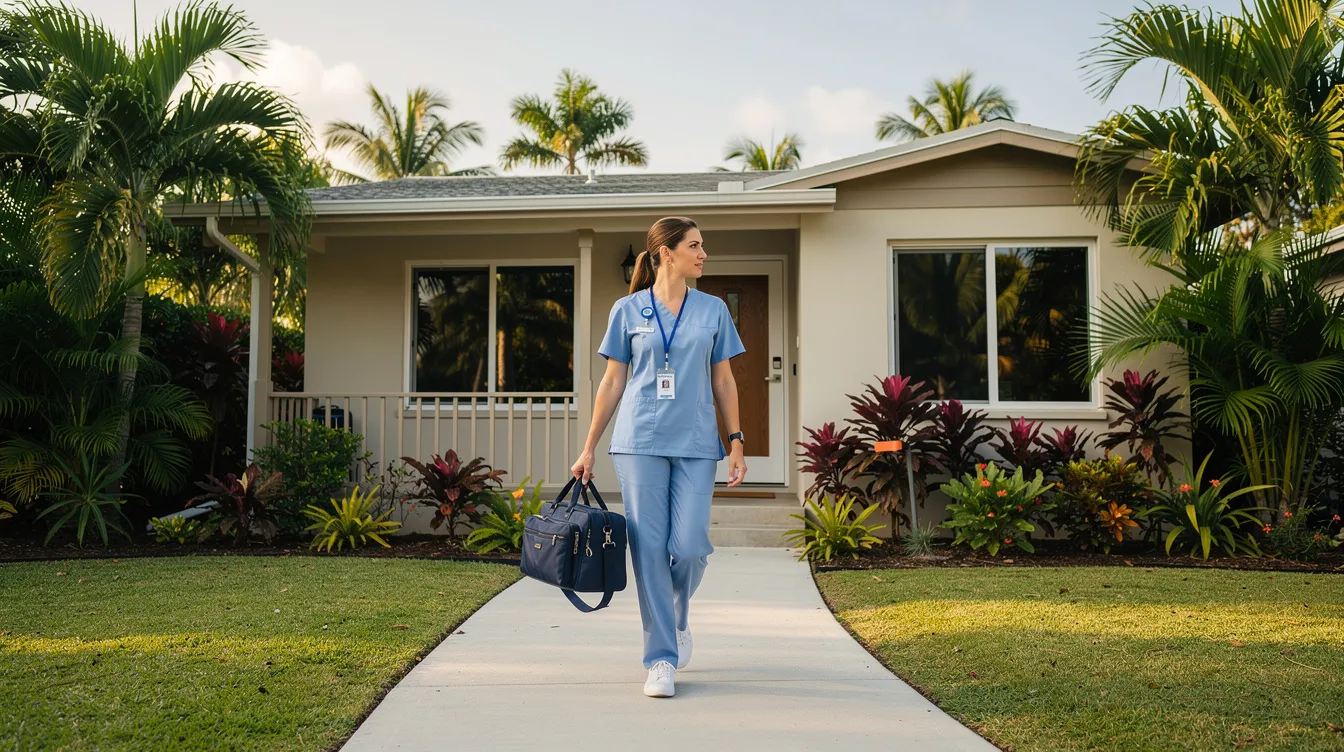
Small wounds may heal with basic proper wound care, but deep wounds, diabetic foot ulcers, pressure injuries, and wounds affected by infection, nutrition, or circulation often need professional wound care. Hawaii Advanced Wound Care, based in Hilo, brings in-home nurse services to patients who have difficulty traveling to a clinic.

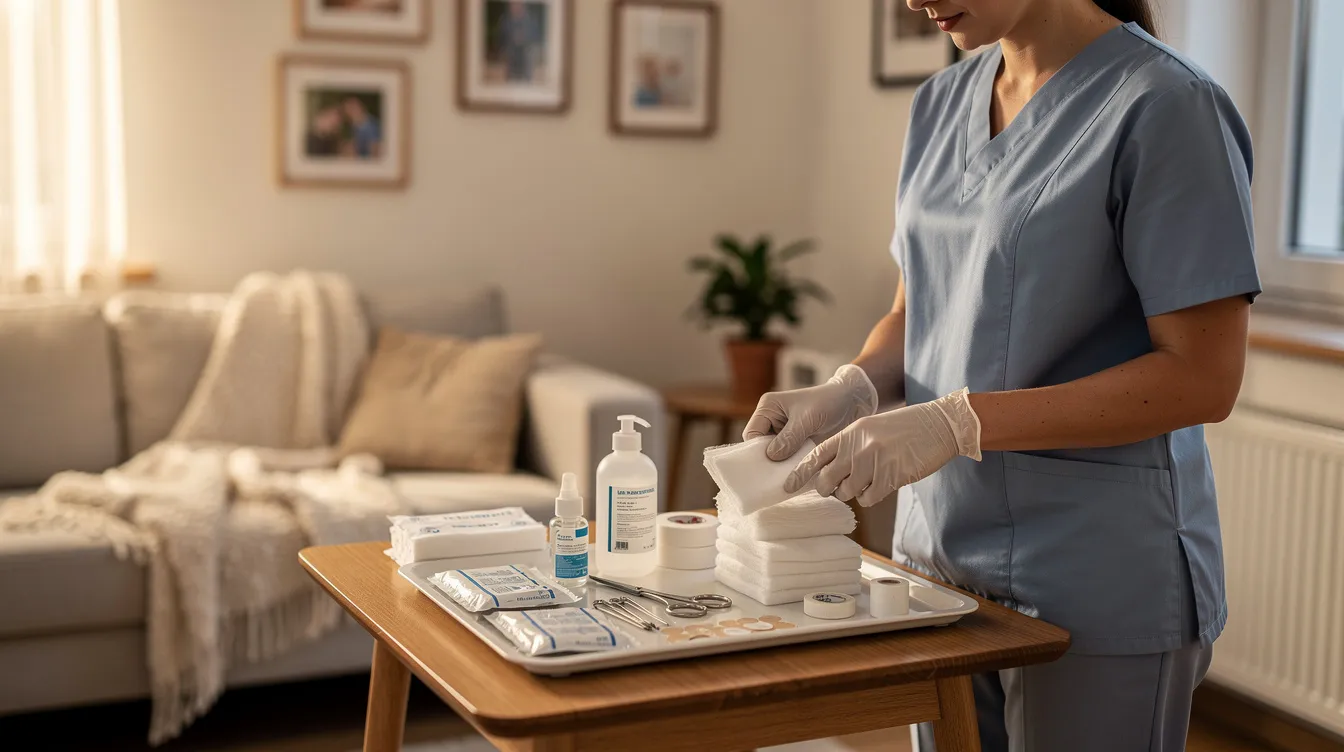
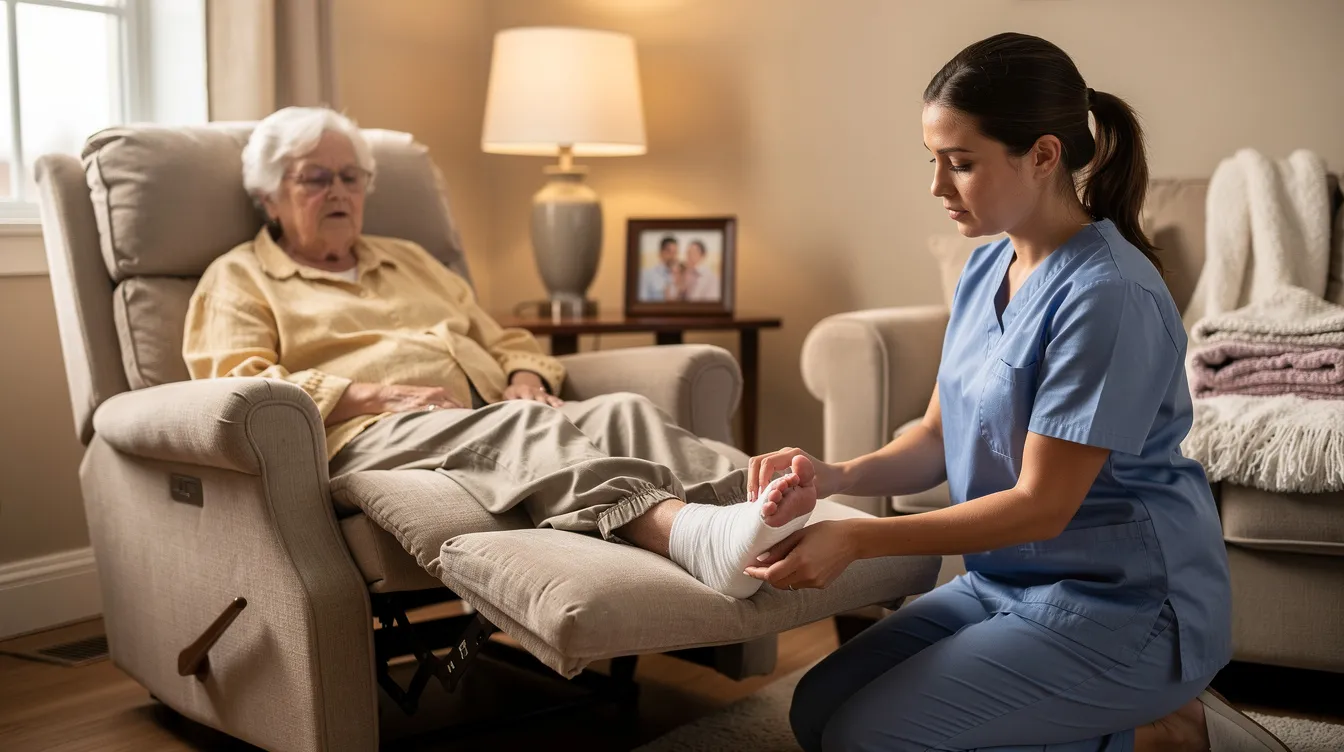
A nurse is calmly preparing wound care supplies in a cozy home setting, emphasizing the importance of proper wound care to promote healing. The image captures the essence of the wound healing process, highlighting the nurse's role in managing the stages of wound healing and ensuring optimal wound healing for patients.

The Four Main Healing Phases of a Wound


The four stages of wound healing are hemostasis, inflammation, proliferation, and maturation. These wound healing stages do not switch on and off perfectly; they overlap throughout the entire healing process.

Stage Typical timing Main purpose
Hemostasis phase Minutes to 2+ days Stop blood loss
Inflammatory phase Hours to 4–6 days Clean and defend
Proliferation phase Several days to weeks Replace lost tissue
Maturation phase Around day 21 to 2 years Strengthen scar

Hawaii Advanced Wound Care evaluates which healing stages are delayed, then tailors treatment such as advanced debridement, moisture balance, infection control, off-loading, and advanced biological dressings to promote healing.

Stage 1 – Hemostasis Phase (Stopping the Bleeding)


Hemostasis is the first phase of wound healing. Hemostasis begins within half an hour of injury, often within seconds, especially when broken blood vessels trigger blood clotting.


During the hemostasis phase, blood vessels constrict to prevent blood loss and further blood loss. Platelets gather at the wound site to form a clot, mixing with blood cells and fibrin to create a temporary protective barrier over the wound surface. This clot supports later inflammatory cells, growth factors, granulation tissue, and tissue repair.


The hemostasis process can last for two days or longer, especially in larger injuries or people taking blood thinners. Hawaii Advanced Wound Care may become involved when bleeding was severe, the wound area is large, or the patient has high blood pressure or medication risks that complicate clotting, providing thorough in-home wound evaluations to guide next steps.

Stage 2 – Inflammatory Phase (The Inflammatory Response)


Inflammation begins after hemostasis, lasting a few hours to several days. Inflammation lasts for 4-6 days after injury in many uncomplicated wounds. Signs of inflammation include redness, swelling, and warmth, plus tenderness and mild drainage.


Neutrophils are the first responders in inflammation, arriving within an hour. These white blood cells help remove bacteria and debris. Macrophages take over inflammation after two days to promote healing by releasing growth factors such as transforming growth factor and platelet derived growth factor. Inflammation helps prevent infection during the healing process.


The problem starts when the inflammatory stage does not calm down. Poor blood flow, vascular disease, uncontrolled diabetes, pressure, biofilm, or a wound infection can keep the immune system activated too long. Hawaii Advanced Wound Care assesses infection risk at home, helps keep the wound clean, removes dead tissue, and coordinates care when topical antimicrobials, cultures, or antibiotics are needed as part of effective in-home wound care.

Stage 3 – Proliferative Phase and Granulation Tissue Formation


Proliferation lasts several days to weeks and focuses on replacing lost tissue. Proliferation lasts for more than two weeks after trauma in many moderate wounds, and longer in complex wounds. Granulation tissue forms during the proliferation phase.


This stage includes angiogenesis, which is a key process in the proliferation stage. New blood vessels and endothelial cells bring oxygen and nutrients; blood vessels form through signals from specialized cells, smooth muscle cells, and the surrounding extracellular matrix. Fibroblasts synthesize collagen during the proliferation phase, creating new connective tissue and connective tissue support.


Epithelialization involves skin cells growing over the wound during proliferation. Epithelial cells move from the wound edges across the wound bed, while wound contraction occurs as myofibroblasts pull the edges inward. Proliferation produces new, healthy tissue for the wound site.


Healthy granulation tissue is moist, pink, red, and slightly bumpy. Gray, black, foul-smelling, or painful tissue suggests poor wound repair. Hawaii Advanced Wound Care supports optimal wound healing with advanced debridement, dressing selection, nutrition education, blood sugar guidance, and off-loading for diabetic ulcers and pressure sores, and may recommend Wound VAC therapy when negative pressure treatment can speed tissue growth.

Stage 4 – Maturation and Remodeling Phase


Maturation begins around 21 days after the initial injury. The maturation phase can last up to two years, and collagen production continues throughout the maturation phase.


During the remodeling stage, collagen in the maturation phase is gradually replaced by stronger, organized collagen. Collagen fibers are realigned along tension lines, and excess collagen is broken down during the maturation process. This improves tensile strength, but scar tissue is about 20 percent weaker than pre-injured skin.


The final stage has less visible day-to-day change. Scars flatten and fade, but fragile skin integrity still matters. Hawaii Advanced Wound Care helps patients protect healing skin from Hawaii sun exposure, humidity, friction, and reopening, using in-person visits and follow-up telehealth wound care when appropriate.

When a Normal Wound Becomes a Chronic Wound


Chronic wounds are wounds that do not move through normal healing phases, often showing little progress after 4–6 weeks. Chronic wounds frequently stall in the inflammation stage, where proteases and ongoing inflammatory response interfere with collagen production, tissue regeneration, and proper wound healing.


Common causes include infection, poor circulation, malnutrition, smoking, immune function problems, diabetes, vascular disease, external patient conditions, pressure, shear, and some medicines such as nonsteroidal anti inflammatory drugs. Local examples include diabetic foot ulcers on the Big Island, venous leg ulcers worsened by humidity, and pressure injuries in kupuna with limited mobility.


Hawaii Advanced Wound Care performs in-home wound assessment, checks edema, drainage, wound edges, pressure points, and blood flow, then creates an advanced wound care plan to restart the healing process.

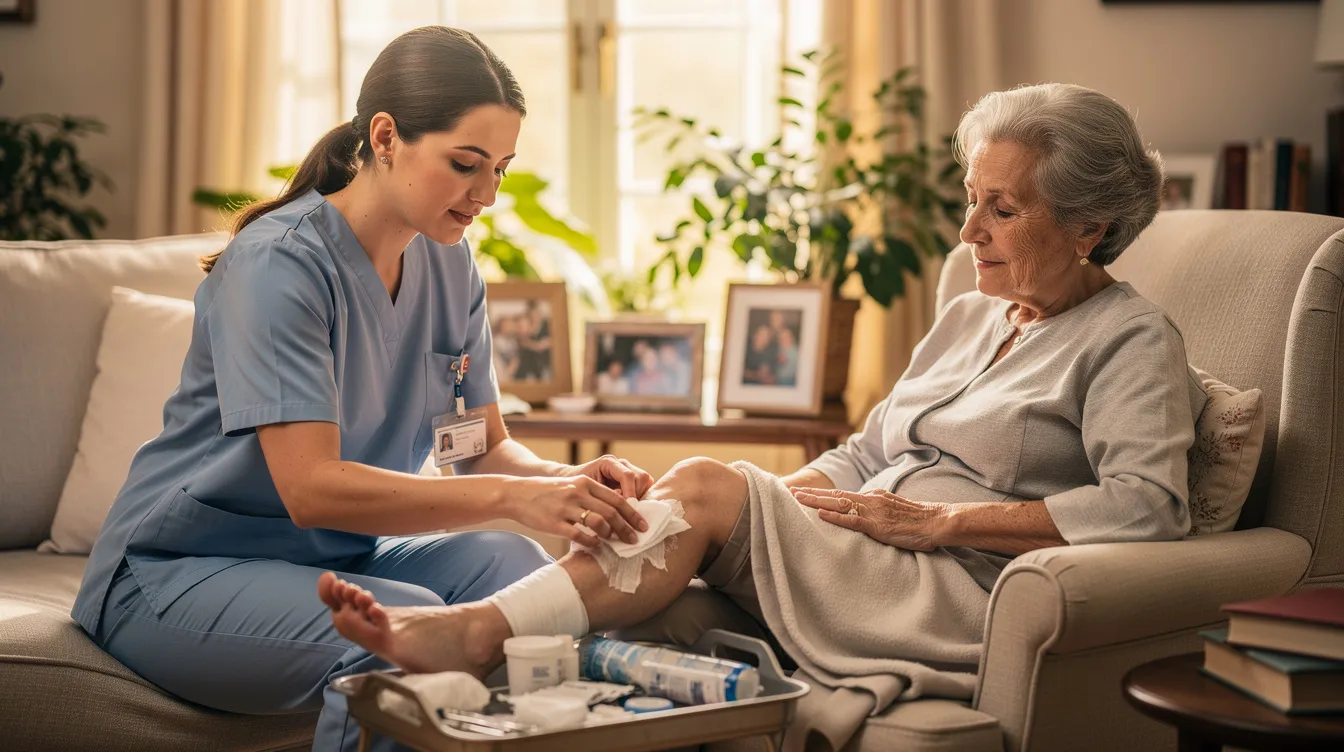
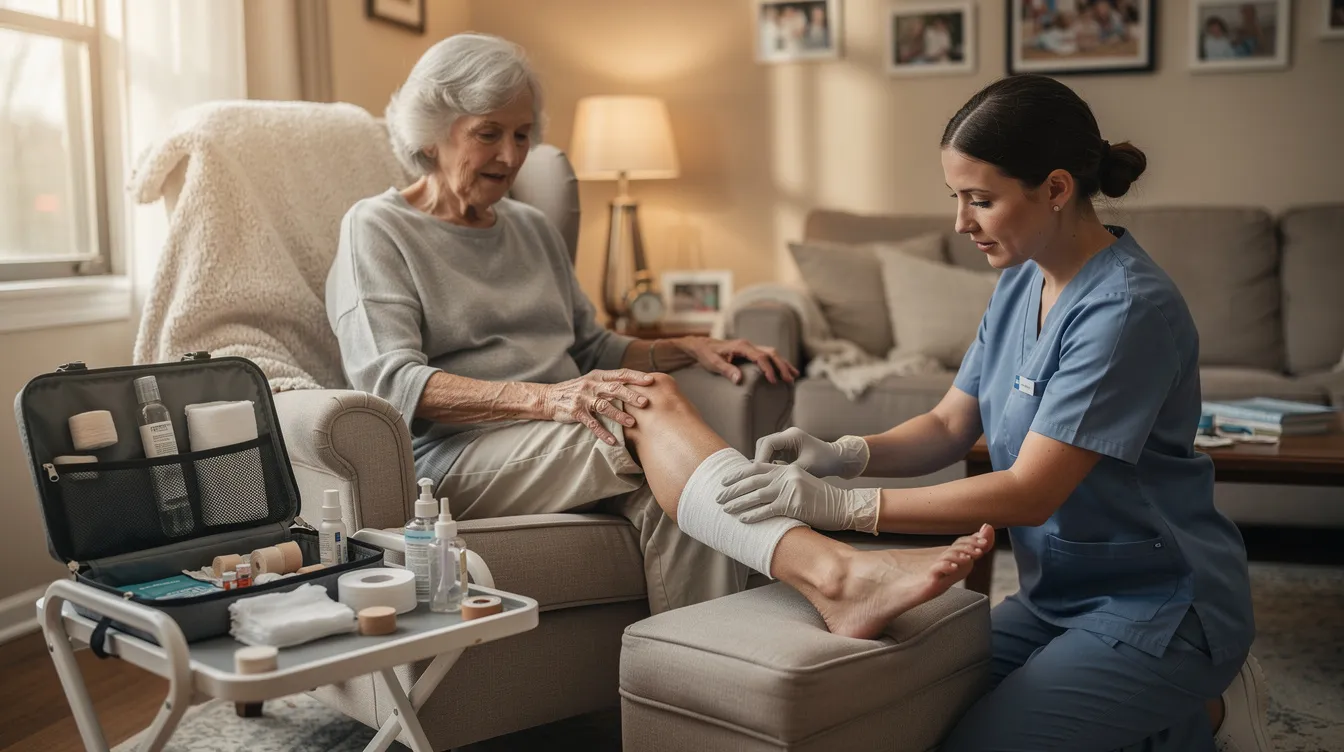
An elderly patient is resting comfortably at home while a caregiver inspects the foot dressing to ensure proper wound care. The caregiver's attention to the wound site promotes healing and aids in the wound healing process, which involves stages such as inflammation and tissue regeneration.

How Hawaii Advanced Wound Care Supports Each Healing Stage at Home


Hawaii Advanced Wound Care provides mobile, in-home wound care from a registered nurse specializing in advanced wound management. Services include wound measurement, assessment, dressing changes, debridement of non-viable tissue, infection monitoring, off-loading education, caregiver support, and coordination with primary care or specialists.


The team treats surgical wounds, diabetic foot ulcers, venous ulcers, arterial ulcers, skin tears, burns, traumatic wounds, and other chronic wounds through expert mobile wound care. Advanced options may include biologic dressings, negative pressure wound therapy, and referral coordination when clinic-based treatments such as hyperbaric oxygen therapy are appropriate, along with comprehensive at-home care after surgery to support recovery.


In Hawaii’s warm, humid climate, dressings can loosen, drainage can build up, and skin can macerate. Hawaii Advanced Wound Care selects dressings with moisture balance in mind and helps patients avoid small problems becoming long-term wounds.

Frequently Asked Questions About Wound Healing Phases and Home Care in Hawaii

  • How can I tell if my wound is moving through the normal healing stages?

    Look for bleeding that stops, mild inflammation that improves, pink granulation tissue, less drainage, less pain, and a wound that gets smaller week by week. If the wound looks unchanged or worse after about 2 weeks, call Hawaii Advanced Wound Care.

  • When should I worry that my wound has become a chronic wound?

    Worry if a wound has not noticeably improved after 4–6 weeks, keeps reopening, smells bad, drains heavily, has black tissue, or has redness spreading away from the wound. These signs may mean the wound healing process is stalled.

  • Can I care for all wounds at home without professional help?

    No. Small, shallow cuts may heal with gentle cleaning and protection. Deep wounds, surgical wounds, diabetic ulcers, leg ulcers, exposed tendon or bone, or any wound in a person with diabetes or poor circulation should be evaluated by a healthcare professional.

  • How does Hawaii’s climate affect wound healing?

    Humidity and heat can increase sweating around bandages, soften surrounding skin, and make it harder to keep dressings secure. Hawaii Advanced Wound Care adjusts dressing choices and change schedules for local conditions.

  • What is the difference between primary healing and secondary healing?

    Primary healing happens when clean wound edges are brought together, such as with stitches. Secondary healing happens when the wound must fill in from the bottom up with granulation tissue, new tissue, and wound contraction.

Call to Action: Get Expert Wound Care at Home in Hawaii


Understanding the wound healing phases helps you know when healing is on track and when to ask for help. If you or a loved one in Hilo or across the Big Island has a slow-healing wound, contact Hawaii Advanced Wound Care.


Call (808) 258-1298 or visit Hawaii Advanced Wound Care today to schedule an in-home wound evaluation.

Recent Posts

Nurse consulting an elderly patient on a bed in a sunlit hospital room
June 18, 2026
Enhance your wound care practice with expert insights that drive better patient outcomes. Discover practical strategies in our latest article. Read more!
Healthcare worker wrapping a man's leg in a cozy living room with mountain view
May 20, 2026
Discover essential tips for at-home care after surgery to ensure a smooth recovery. Read the article for practical advice on managing your healing process.
A registered nurse is examining a patient's leg wound in a home setting, focusing on advanced wound
May 6, 2026
Discover practical solutions for effective in-home wound care, ensuring proper healing for various needs. Read the article for essential tips and guidance.